Mozambique–China Deal Targets Lithium, Graphite and Rare Earths While Boosting Security and Energy Investment
Mozambique and China have reached an agreement to map vast, largely untapped deposits of critical minerals across the country’s resource-rich northern provinces.
The move reflects Maputo’s push to attract Chinese investment and security support to develop one of Africa’s most promising yet conflict-affected resource frontiers.
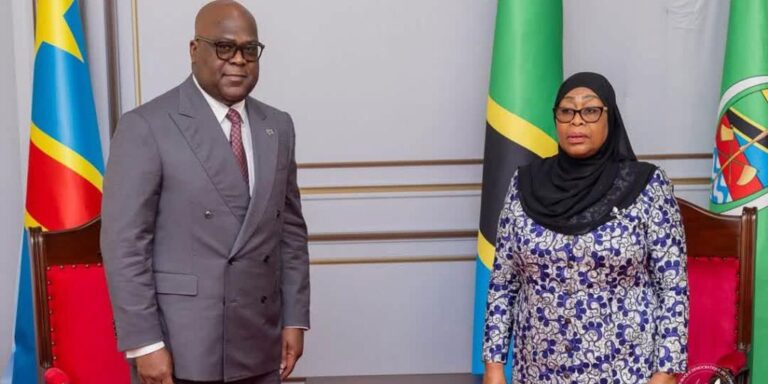
The announcement followed high-level talks in Beijing between Chinese President Xi Jinping and Mozambican President Daniel Chapo on Tuesday, culminating in a joint statement outlining expanded cooperation.
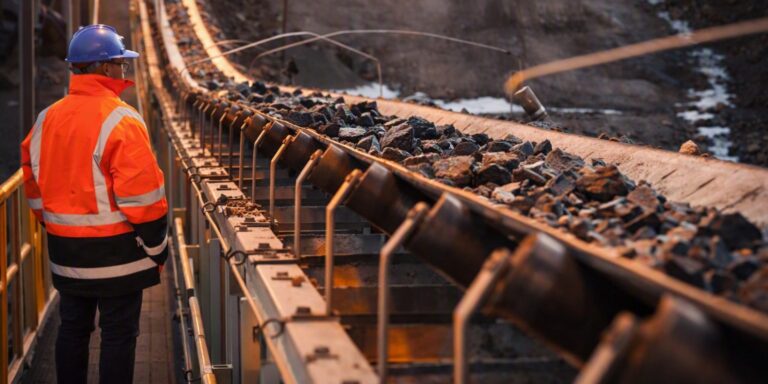
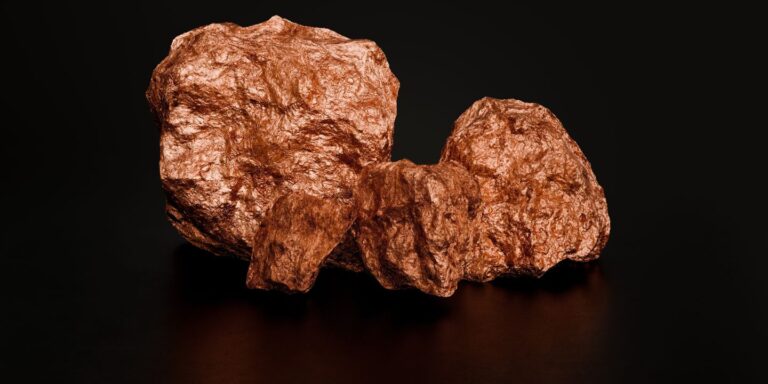
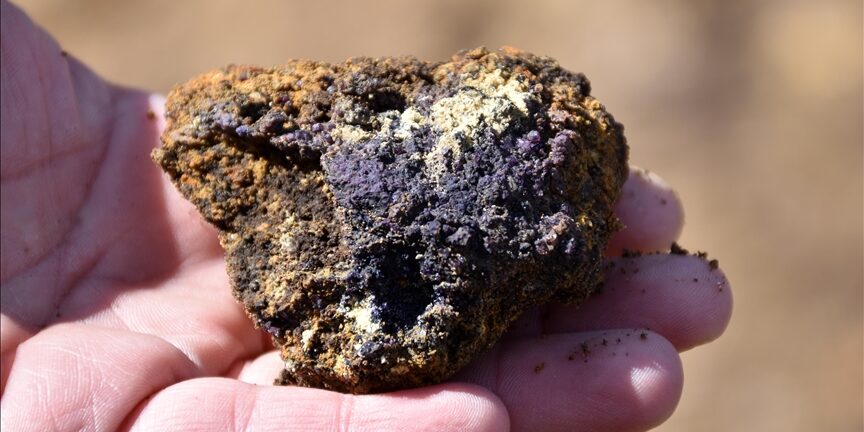
The planned geological survey will focus on high-value resources such as graphite, lithium, and rare earth elements materials essential to the global transition toward clean energy technologies.
Despite the economic potential, development efforts remain constrained by ongoing insecurity in Cabo Delgado province.
Since 2017, a violent Islamist insurgency has displaced more than a million people and disrupted multibillion-dollar energy and mining projects, including those involving Chinese state-owned enterprises.
China signaled its readiness to deepen cooperation, with Xi emphasizing opportunities in infrastructure, energy, and mineral development. He highlighted a commitment to advancing “sustainable and practical cooperation” between the two nations.
Mozambique has already emerged as a major player in global energy markets following the discovery of more than 5 trillion cubic metres (180 trillion cubic feet) of natural gas in the Rovuma Basin off its northeastern coast.
These reserves position the country as a future hub for liquefied natural gas (LNG) production.
Under the new agreement, the two countries will expand collaboration in geological research through initiatives such as the China-Africa Geoscience Cooperation Centre and the Belt and Road International Geoscience Education and Training Centre.
The partnership also introduces an integrated development model that links mineral extraction with infrastructure investment.
This includes aligning railways, ports, and power systems with mining projects to create industrial corridors that support long-term economic growth.
China has further committed to financing local processing facilities, enabling Mozambique to move beyond raw material exports and develop a domestic industrial base.
In parallel, cooperation will extend to agriculture, with China facilitating increased imports of Mozambican goods through zero-tariff policies and streamlined “green channel” trade mechanisms, alongside support in irrigation, seed technology, and logistics.
Security cooperation forms a central pillar of the agreement. A new memorandum of understanding outlines expanded collaboration in military and law enforcement areas, including training, equipment provision, technology transfer, and joint exercises.
The goal is to strengthen Mozambique’s capacity to combat terrorism and stabilize key economic regions.
The initiative is particularly focused on securing areas critical to energy and mining operations in Cabo Delgado. While the insurgency has caused significant economic damage, recent improvements in security have allowed some displaced residents to return as authorities regain control over strategic zones.
Chinese involvement in Mozambique’s energy sector has grown rapidly, alongside Western companies. Chinese firms are key stakeholders in major LNG developments in the Rovuma Basin, reinforcing Beijing’s long-term strategic interest in the region.
Analysts suggest the partnership reflects a broader trend among African nations seeking diversified partnerships to safeguard their economic interests.
Enhanced security cooperation, combined with investment, could help restore investor confidence, reestablish government control in affected regions, and support the return of displaced populations.
At the same time, experts note that while China has pledged support in training and equipment, there is no indication it will engage directly in combat operations or frontline counterterrorism efforts in conflict zones such as Cabo Delgado.
Overall, the agreement signals a deepening Mozambique–China relationship, combining resource development, infrastructure expansion, and security collaboration in a bid to unlock the country’s considerable economic potential.
About the Author