Democratic Republic of Congo Copper Exports Fall 14.6% in Q1 as Chemical Shortages Threaten Mining Output
Copper exports from the Democratic Republic of Congo declined by 14.6% in the first quarter of 2026, easing from exceptionally strong levels recorded a year earlier, while cobalt shipments rebounded following a months-long export freeze, according to shipping data reviewed by Reuters.
The DRC is the world’s largest producer of cobalt, accounting for roughly 70% of global reserves, and the second-largest supplier of copper, making it a critical pillar of global supply chains supporting electric vehicles and the broader clean-energy transition.
According to logistics data from Access World, the country exported approximately 4.83 million metric tonnes of copper and 245,700 tonnes of cobalt in 2025. The company did not immediately respond to requests for comment.
Copper Output Moderates After Strong Growth
The latest figures indicate that global copper output is expected to soften in 2026 following robust expansion in 2025.
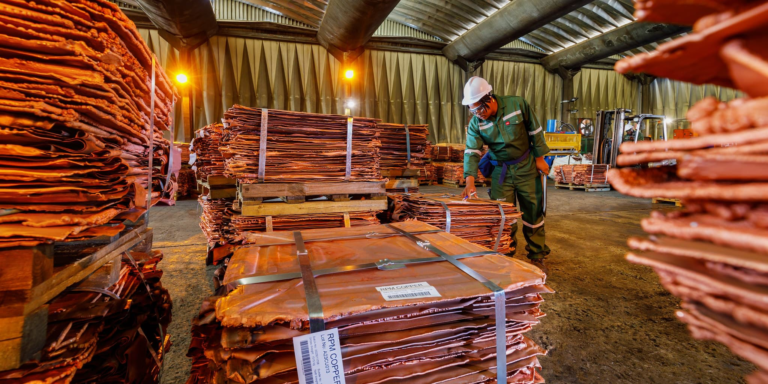
The DRC shipped about 955,000 metric tonnes of copper between January and March 2026, down from roughly 1.09 million tonnes during the same period in 2025.
Copper exports in early 2026 were supported by major mining operations run by companies including Ivanhoe Mines, CMOC Group, Glencore and the Chinese-backed joint venture Sicomines.
Cobalt Shipments Rebound After Freeze
Cobalt exports followed a markedly different trend. The DRC shipped approximately 48,800 tonnes of cobalt in the first quarter of 2026, compared with about 123,000 tonnes in the same period last year, when exports were frontloaded ahead of a four-month government-imposed export freeze.
The earlier surge in shipments reflected producers accelerating exports before restrictions took effect, while the subsequent recovery indicates a gradual normalization of trade flows.
Chemical Supply Constraints Emerge as Key Risk
Separately, miners operating in the DRC are facing increasing difficulty securing key processing chemicals used in copper and cobalt production, after geopolitical tensions disrupted global supply routes.
Previous reporting by Reuters indicated that disruptions linked to the conflict involving Iran have affected shipments of essential reagents, prompting some operators to consider reducing chemical consumption.
The impact is evident in declining import volumes of critical processing inputs required for hydrometallurgical operations.
In the first quarter of 2025, the DRC imported approximately:
- 414,600 tonnes of sulphur
- 113,000 tonnes of sulphuric acid
- 7,300 tonnes of caustic soda
During the same period in 2026, imports declined significantly to:
- 368,500 tonnes of sulphur
- 29,200 tonnes of sulphuric acid
- 3,900 tonnes of caustic soda
The sharp reduction in chemical imports underscores a growing operational risk for mining companies, as these inputs are essential for ore leaching, metal recovery and sustaining production levels across the country’s copper and cobalt sector.
About the Author