Ethiopia’s EV Revolution: How Rising Fuel Prices Are Driving a Green Transport Shift
As conflict in the Middle East continues to push global fuel prices higher, Ethiopia is accelerating its transition to electric vehicles (EVs) to reduce dependence on costly fuel imports and strengthen its energy security.
In 2024, Ethiopia took a bold step by banning the importation of new petrol and diesel-powered vehicles, making it one of the first African countries to aggressively promote electric mobility.
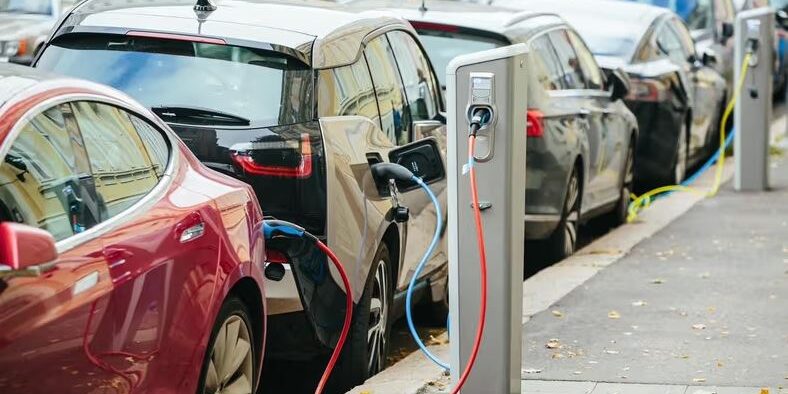
Today, more than 115,000 EVs are operating across the country, with adoption expected to rise rapidly in the coming years.
Ethiopia spends an estimated $4.2 billion annually on fuel imports, while fuel subsidies reportedly cost the government more than $128 million every month.
With global oil prices remaining volatile, the country is turning to renewable energy and electric transportation as a long-term solution.
The transition is supported by Ethiopia’s strong renewable energy capacity, with nearly 90% of its electricity generated from hydropower and solar energy. This allows EVs to operate on cleaner and more affordable energy sources.
Electric vehicles are also proving more cost-effective for consumers. Charging an EV costs around $4 per month compared to approximately $27 spent on gasoline for conventional vehicles. Currently, about 10% of vehicles on Ethiopian roads are electric-powered.
Despite the progress, challenges remain. Charging infrastructure is still limited, particularly outside Addis Ababa, and electric vehicles often come with higher upfront costs than traditional cars.
To overcome these barriers, Ethiopia is investing in local manufacturing. The country is developing 17 EV assembly plants and aims to expand to 60 plants by 2030.
Local production is expected to lower vehicle prices, create jobs, reduce import costs, and strengthen Ethiopia’s clean energy economy.
As many nations struggle with rising fuel costs and energy insecurity, Ethiopia’s push toward electric mobility is emerging as a model for sustainable transportation and economic resilience in Africa.
About the Author