BHP Expands Copper Exploration in Zambia as Global Demand for Critical Minerals Surges
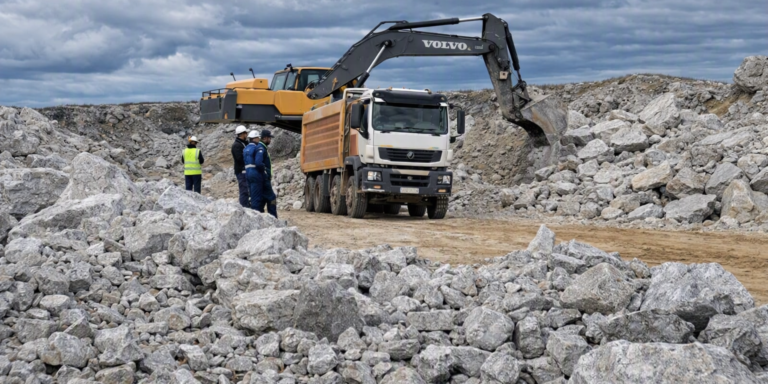
Global mining giant BHP is increasing its exploration efforts in Zambia as part of a broader regional campaign to identify large-scale copper deposits, highlighting renewed international interest in the country’s mineral potential.
Zambia, Africa’s second-largest copper producer after the Democratic Republic of Congo, is seeking to significantly expand its copper output over the coming decade and is actively encouraging foreign investment to unlock underexplored resources.
BHP’s renewed engagement marks a strategic shift after the company reduced its direct presence in parts of Africa following the 2015 spin-off of its non-core assets into South32.
The company is now re-entering the region through an exploration-focused program spanning southern Africa, including Zambia, South Africa, Namibia, and Angola.
According to Zambia’s Ministry of Mines, BHP is concentrating on identifying large, deeply buried copper deposits that are difficult to detect using conventional exploration techniques. T
he company is deploying advanced geological modeling, geophysical surveys, and data-driven exploration methods to locate large mineral systems capable of supporting long-life mining operations.
Industry specialists note that many of the world’s remaining copper resources are located deeper underground and require more sophisticated exploration technologies and higher capital investment to develop.
Zambia’s government has been implementing policy and regulatory reforms aimed at improving the investment climate in the mining sector, positioning the country as a key contributor to future global copper supply.
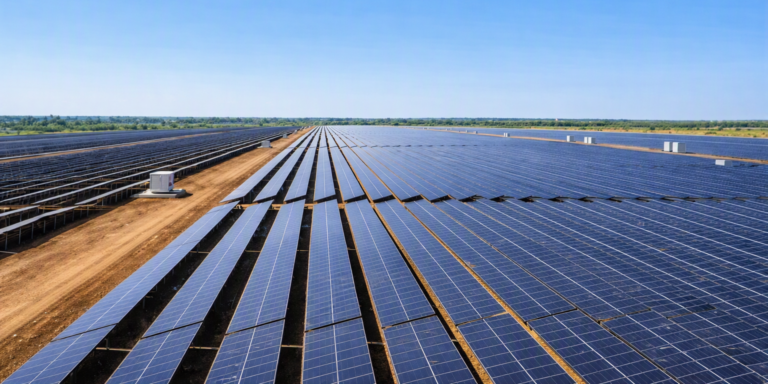
Demand for copper is expected to grow steadily due to its critical role in electrification, renewable energy systems, electric vehicles, and power grid expansion.
While BHP’s current activities are focused on exploration rather than mine development, the company’s involvement underscores Zambia’s strategic importance in the evolving global minerals landscape and signals growing international interest in the region’s long-term copper potential.
About the Author