Zambia’s Kansanshi Mine Showcases Hitachi’s Ultra-Large Battery-Electric Mining Truck, Pioneering Sustainable Copper Production
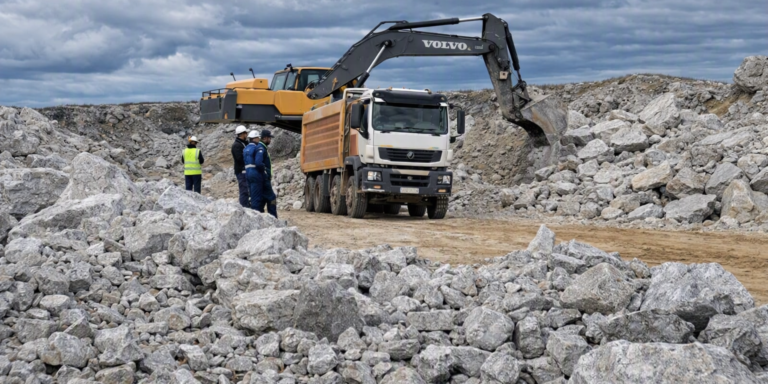
In the copper-rich expanse of Solwezi, Zambia, a new sound is echoing across the open pits. Where once the roar of diesel engines dominated, the hum of electric motors now signals a profound shift in mining.
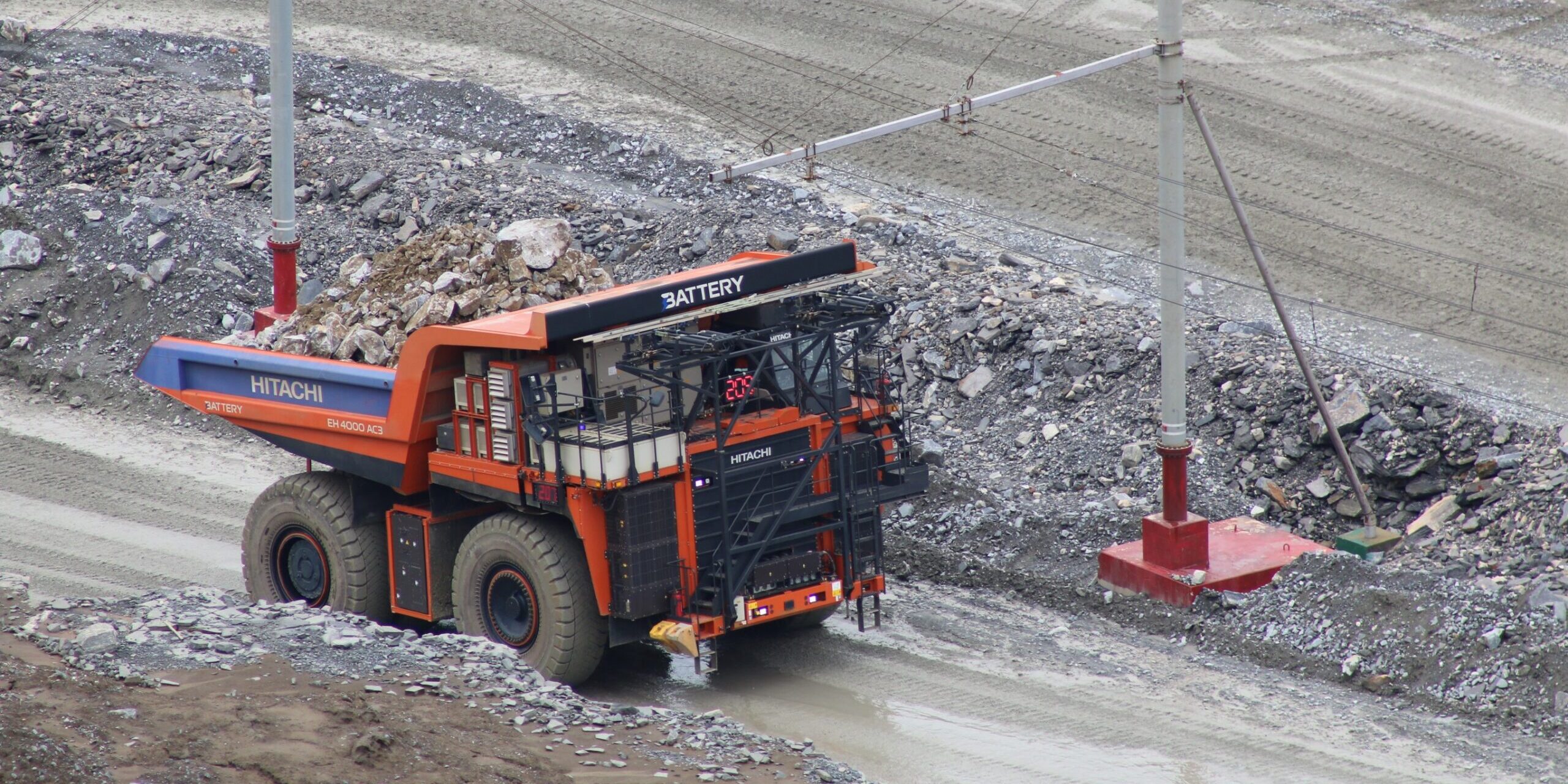
At First Quantum Minerals’ Kansanshi copper and gold mine, the showcase of the world’s first ultra-large battery-electric mining truck marked a turning point not only for Zambia, but for the global mining industry.
The truck was not being formally commissioned into service but rather presented to the world as proof of what is possible when innovation, partnership, and vision come together in one of Africa’s most important mining regions.
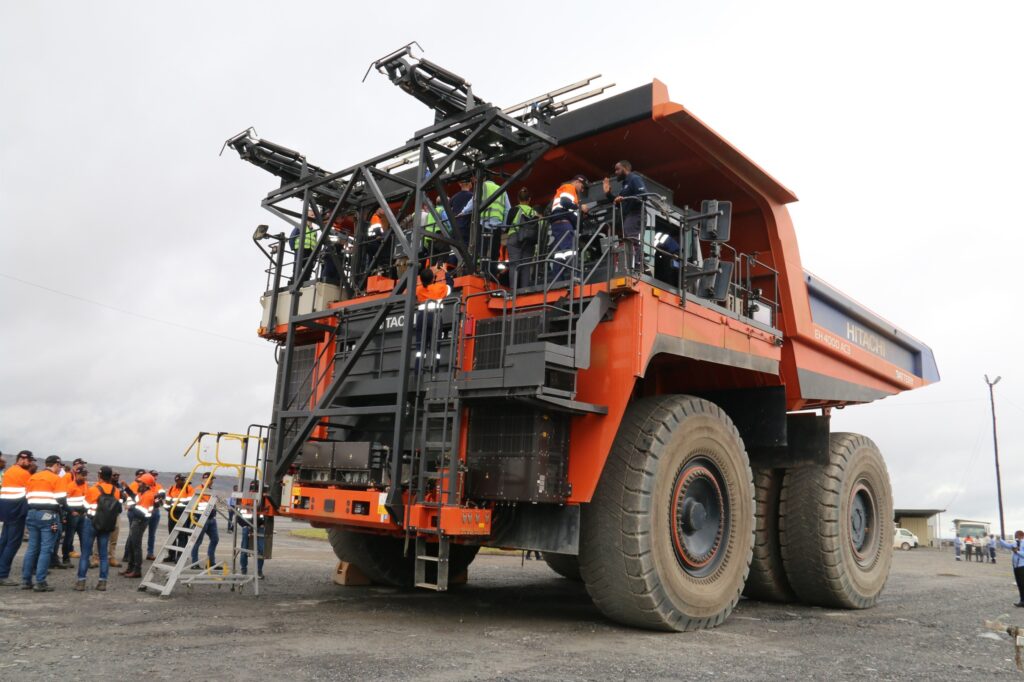
The atmosphere of the event underscored its significance. Industry leaders stood alongside government officials, engineers, and mine workers, all gathered to witness a machine that symbolized more than technological progress.
It was a declaration: Zambia is ready to lead the charge in sustainable mining. By harnessing its abundant hydroelectric power, the country is positioning itself as a pioneer of technologies that reduce emissions, cut costs, and build skills for the future.
Years in the Making
Standing before the towering truck its tires taller than most spectators FQM Chief Executive Officer Tristan Pascall reflected on the journey:
“We are standing at an event where Zambia is right at the forefront of renewable energy and low-emissions technology. Today is about what can be achieved when a mining company, a technology partner, and government work together to move the industry forward.”
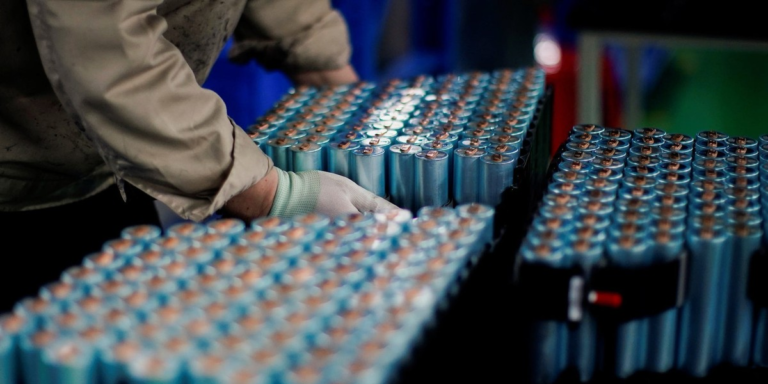
The truck is engineered to haul 221 tonnes of ore across steep gradients. But its true significance lies in its power source: advanced lithium-titanate oxide (LTO) batteries that replace diesel engines.
This innovation is the culmination of years of research, development, and collaboration between FQM, Hitachi engineers, regulators, and operational teams.
Pascall acknowledged the role of government, particularly the Mine Safety Department, in enabling safe testing. “Government remains a key partner through ZCCM-IH’s shareholding.
This is a strong example of an enabling environment that allows industry to invest in innovation for the betterment of society.”
Why is Zambia the Perfect Testbed?
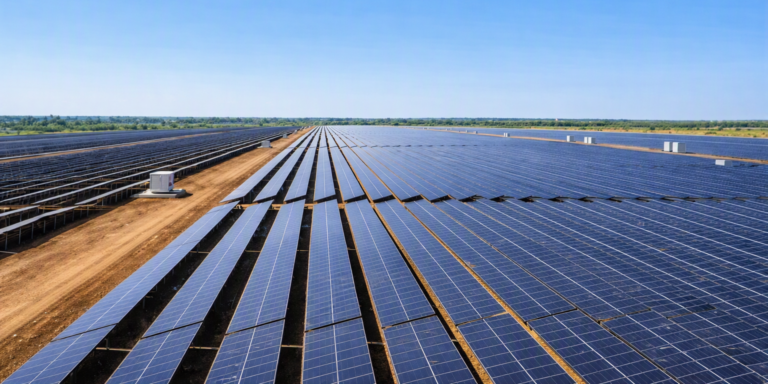
Zambia’s energy profile makes it uniquely suited for electrified mining. Unlike jurisdictions reliant on coal, Zambia generates over 85% of its electricity from hydro. This clean energy backbone maximizes the environmental benefits of electrification.
Ray Kitic, Vice President of Hitachi’s Mining Business Unit, explained:
“If we’re talking about true decarbonisation in Scope 1, 2, and 3 emissions, this is the location. Within Zambia, more than 85 per cent of electricity is hydro-generated.”
Scope 1 emissions are direct emissions from equipment. Scope 2 relates to electricity consumption. Scope 3 encompasses the broader supply chain.
Electrifying heavy equipment in Zambia addresses all three simultaneously a rare alignment in industrial sustainability.
The Economics of Electrification
Electrification is not just about climate goals it’s about economics. Mining companies face volatile fuel prices, rising carbon costs, and investor pressure to demonstrate environmental responsibility.
“Fleet electrification has real potential to reduce greenhouse gas emissions, especially at a time of global fuel price pressures,” Pascall said. “This innovation makes business sense. It leverages Zambia’s abundant hydroelectric renewable energy and reflects our culture of continuous improvement, safety, and adaptation.”
Hitachi’s modelling shows the truck is already cash-positive compared to diesel alternatives in certain operating conditions. Kitic added:
“There’s a lot of scepticism around alternative energy that comes with compromise on performance, reliability, or cost. This is not the case.”
Inside the Technology
The ultra-large battery dump truck showcased at Kansanshi is the result of a joint development between Hitachi Construction Machinery and ABB Ltd., a global leader in electrification and automation. Combining Hitachi’s experience with trolley-assist haulage systems and ABB’s advanced battery design, the truck demonstrates how electrification can work at ultra-large mining scale.
Instead of stopping for long charging sessions, the truck recharges directly from overhead trolley lines when climbing uphill and recharges more through regenerative braking when going downhill.
This dynamic charging system allows it to recharge while operating, minimizing downtime and keeping productivity on par with diesel fleets.
The battery itself is optimized for mining conditions. By limiting overall volume, engineers reduced weight, maximizing payload capacity and cost performance.
A full charge takes about 10 minutes, providing roughly 40 minutes of standalone operation, but in practice the truck runs continuously thanks to its dual charging sources.
At the heart of the EH4000 is its lithium-titanate oxide (LTO) battery system, chosen for durability, safety, and rapid charging:
- Durability: Up to 20,000 charge cycles, essential for nonstop mining.
- Fast Charging: 80% charge in about 15 minutes at 4C rates.
- Safety: Lower risk of overheating, ensuring reliability under extreme loads.
Together, these innovations make the EH4000 more than a showcase of engineering—it is proof that ultra-large mining trucks can be electrified without sacrificing performance, setting a benchmark for sustainable mining worldwide.
Kitic explained: “We can charge faster, but it’s always a balance between battery durability and life. Heat kills batteries, so this is the right balance for us.”
This balance ensures productivity comparable to diesel fleets, without compromising profitability.
Building Skills for the Future
Beyond machinery, the project is about people. Pascall highlighted how Zambian employees are now leading in battery-electric and trolley-assist systems expertise unique worldwide.
Training programs are equipping engineers, technicians, and operators with advanced skills in electrical systems, diagnostics, and digital monitoring.
With 96% of FQM’s workforce in Zambia being local citizens, the initiative strengthens domestic talent and aligns with national development goals.
Government Endorsement
Ministry of Mines Permanent Secretary Dr Hapenga Kabeta praised the partnership:
“Environmental stewardship is essential if we are to protect the planet from the rising impacts of climate change. Such strategic partnerships represent the future of responsible and sustainable mining.”
Kabeta emphasized that the initiative reflects Zambia’s stable regulatory environment and commitment to balancing profit, people, and planet.
He noted that FQM is not only a leader in copper production but also a pioneer in technology adoption, driven predominantly by Zambian talent.
A Decade of Partnership
The success builds on a partnership dating back to 2012, when FQM and Hitachi introduced trolley-assist systems at Kansanshi.
That foundation paved the way for today’s battery-powered trucks, proving that incremental innovation can lead to transformative change.
“Our long-standing partnership with Hitachi dates back to 2012,” Pascall said. “Today’s success is the result of that shared vision and commitment.”
Global Implications
While rooted in Zambia, the Kansanshi project has global resonance. Kitic confirmed that expansion to other mine sites worldwide is already under consideration.
Industry analysts predict that battery-electric haul trucks could become standard within the next decade, driven by advances in battery technology, falling energy costs, and tightening environmental regulations. Kansanshi may well be remembered as the launchpad for this transformation.
Beyond Emissions
The benefits extend beyond carbon reduction:
- Cleaner air, free of diesel exhaust.
- Quieter operations, improving safety and communication.
- Stronger ESG credentials, boosting investor confidence.
Noise reduction and elimination of diesel fumes improve working conditions and community well-being an often overlooked but vital aspect of sustainable mining.
Zambia’s Opportunity
As global demand for copper surges driven by electric vehicles, renewable energy, and digital infrastructure Zambia is positioned to lead. Producing copper with low-carbon methods enhances its value in environmentally conscious markets.
“It shows that Zambia is not only a producer of minerals, but a pioneer in technology adoption,” Dr Kabeta said.
This distinction could attract new investment, stimulate job creation, and support long-term economic growth.
The transition to fully electrified fleets will take time, requiring infrastructure upgrades and workforce training. But the trajectory is clear.
The Kansanshi truck is both a symbol and a starting point proof that mining can be profitable, responsible, and sustainable.
As the hum of electric motors replaces the roar of diesel engines, Zambia is not just mining copper. It is mining the future.
SOURCE:copperbeltkatangamining.com
About the Author