Cape Town Introduces First Electric Buses for MyCiTi Network as City Accelerates Transition to Sustainable Public Transport
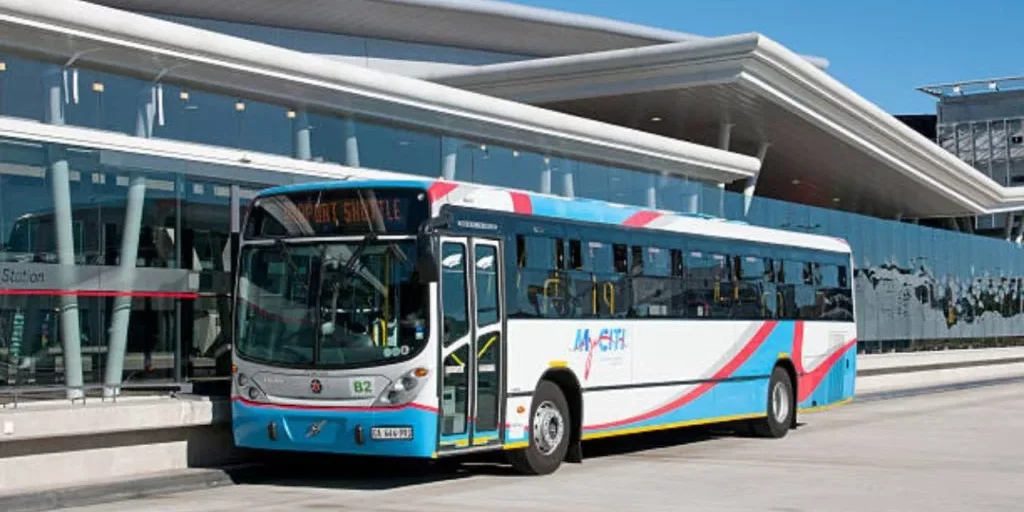
Cape Town is set to receive its first electric bus in August, marking a major milestone in the city’s transition toward cleaner and more sustainable public transport. The development forms part of a broader strategy to modernise the MyCiTi rapid transit system while reducing fuel costs and lowering carbon emissions.
The initial delivery will be the first of a planned 30 electric buses, with an additional 13 expected before the end of 2026. The full first batch is scheduled for completion by June 2027, according to city officials.
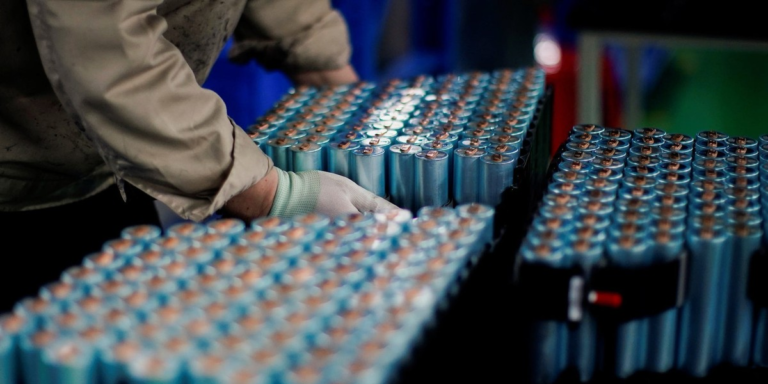
The rollout places Cape Town among a growing number of global cities adopting electric bus technology, a trend driven by falling battery costs and increasing pressure on governments to transition away from diesel-powered transport systems.
China currently leads the market, while adoption continues to expand across Europe, Latin America, and parts of Africa.
Initial Deployment on Key Urban Routes
Cape Town has confirmed that the first electric buses will operate on routes in the metro south-east, including corridors linked to the long-planned MyCiTi Phase 2A expansion, which will connect communities such as Mitchells Plain and Khayaelitsha to major commercial and employment hubs.
The first vehicles will be 12-metre Volvo BZRLE models, with bus bodies manufactured locally in Johannesburg.
City officials say this will also support domestic manufacturing capacity in South Africa’s growing clean mobility sector.
Pilot Programme to Test Performance
To assess operational efficiency under local conditions, the city will partner with the University of Cape Town on a 12-month pilot programme.
The study will evaluate battery performance, charging cycles, passenger demand, route efficiency, and the impact of weather conditions on energy consumption.
The results will inform future decisions on infrastructure investment, charging network expansion, fleet scaling, and driver training programmes ahead of a wider rollout planned from 2027 onwards.
If timelines remain on track, the first electric buses are expected to begin carrying passengers from July 2027.
Cost and Environmental Benefits
City officials say the shift to electric buses is expected to significantly reduce operating costs over time.
International experience shows that electric fleets can lower fuel and maintenance expenses substantially, with some operators reporting savings of up to 70% compared to diesel buses.
Cape Town’s Urban Mobility leadership has also highlighted the importance of the transition amid global energy market volatility and geopolitical uncertainty, which continue to affect fuel prices and supply stability.
Part of a Broader African Transport Transition
The move reflects a wider challenge across African cities, where rapid urbanisation is increasing pressure on public transport systems while governments seek to reduce emissions and manage rising fuel import costs.
Although electric buses require higher upfront investment, many municipalities are increasingly viewing them as a long-term solution to mitigate exposure to diesel price fluctuations and currency instability while improving service reliability and environmental performance.
About the Author