DRC copper and cobalt producers face sulfuric acid and SMBS shortages as shipping disruptions and rising logistics costs strain supply chains
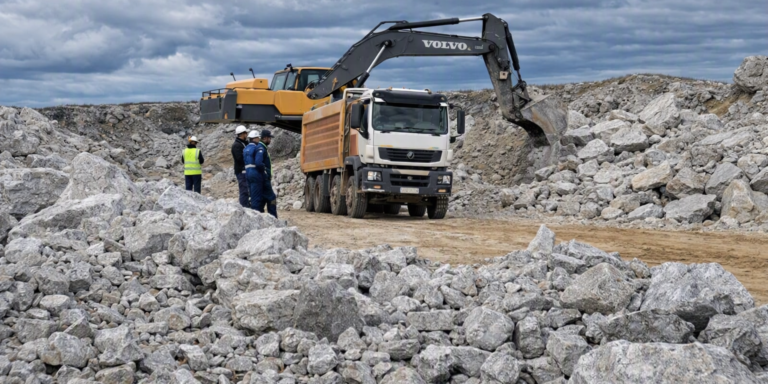
Copper and cobalt producers in the Democratic Republic of Congo (DRC) are facing cancelled and withdrawn deliveries of key processing chemicals, forcing some miners to reduce consumption and consider production cuts as global supply chain disruptions intensify.
The DRC, the world’s largest cobalt producer and Africa’s leading copper supplier, plays a critical role in global supply chains for electric vehicles and the energy transition.
However, its mining sector depends heavily on imported processing chemicals such as sulphuric acid and sulphur-based reagents, including sodium metabisulphite (SMBS), which are essential for ore processing.
Supply chains for these inputs have been disrupted by shipping delays and logistical constraints, leading to shortages across mining operations.
A 2,000-ton SMBS order was cancelled outright, while another 1,800-ton shipment was withdrawn after contracts had already been signed.
As a result, some miners are rationing chemical usage to extend available stockpiles and are assessing potential reductions in cobalt output.
In some cases, producing off-spec material has been considered, although industry participants say this is not an ideal solution.
The companies affected were not officially named, but major operators in the DRC’s mining sector are understood to be exposed, including CMOC, Glencore, and Eurasian Resources Group.
Tightening supply controls and rising costs
Amid growing uncertainty, buyers are reportedly placing overlapping orders and strengthening supply verification procedures, including physical inspections of warehouse inventories and ownership documentation before confirming purchases.
There is now greater emphasis on verifying that stock physically exists before deals are finalized.
The situation has been compounded by the DRC’s ongoing cobalt export restrictions and quota system, which has already tightened global supply and affected smelter operations worldwide.
The government recently confirmed that delayed export quotas may be shipped within set deadlines under its regulatory framework.
Logistical disruptions have also driven up costs, with premiums for sulphuric acid and SMBS shipped through key regional ports nearly doubling since the start of the crisis.
Supply chain delays are also lengthening delivery times significantly, with shipments now taking months longer than previously.
Industry participants warn that the risk of shortages across the system has increased considerably.
About the Author