Australian miner Chariot Resources advances Nigerian lithium projects after securing six licences and confirming high-grade spodumene mineralisation
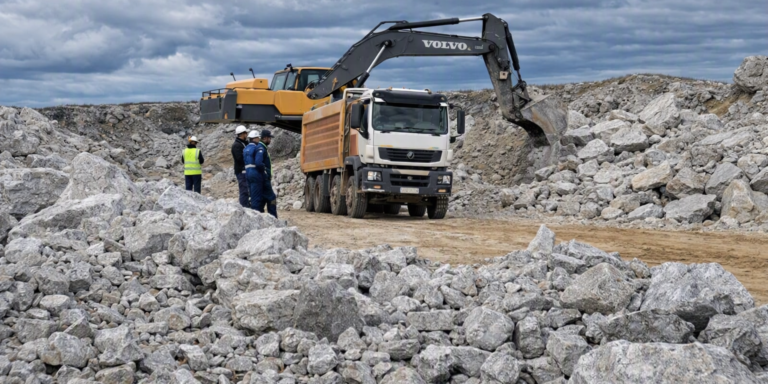
Australian mining company Chariot Resources Limited has confirmed a lithium-rich mineral discovery in Nigeria following the approval of six mining licences by the Nigerian Mining Cadastre Office, marking a key milestone in its expansion into the country’s emerging critical minerals sector.
The approved licences, transferred from Continental Lithium Limited to C&C Minerals Limited Chariot’s Nigerian joint venture entity include four exploration licences and two small-scale mining permits.
They cover the Fonlo and Gbugbu exploration projects as well as the Saki small-scale mining area, consolidating the company’s position across strategically important assets.
According to the company, the approvals significantly advance its acquisition of a 66.667% stake in C&C Minerals, with Continental Lithium retaining the remaining 33.333%. Chariot described the regulatory clearance as a major de-risking step for its Nigerian lithium portfolio.
Additional licences three at Saki and one at Iganna remain pending final approval from the mining authorities.
Chariot’s Executive Chairman and Managing Director, Shanthar Pathmanathan, said the approvals represent a major milestone for both the company and Nigeria’s emerging lithium sector, noting that the country hosts lithium-bearing pegmatites already supplying spodumene to international markets but still largely underexplored.
High-grade spodumene confirms lithium potential
Independent laboratory testing conducted by the University of British Columbia confirmed the presence of high value spodumene mineralisation across samples from the Fonlo and Iganna projects.
The analysis found spodumene concentrations ranging from 28.4% to 75.3% of crystalline content, alongside lithium oxide grades between 2.66% and 5.96%, indicating strong high-grade lithium potential.
The samples also revealed elevated levels of caesium, including pollucite concentrations of up to 9.5% in one Iganna sample, suggesting significant lithium caesium tantalum (LCT) pegmatite potential.
Chariot noted that spodumene is one of the most commercially valuable lithium-bearing minerals due to its relatively simpler processing compared to alternatives such as lepidolite, which was not detected in any of the samples.
The company said the results support plans to define drill-ready targets and accelerate exploration across its Nigerian assets, with the aim of advancing toward phased development and potential small-scale production.
Overall, Chariot said the findings materially strengthen the economic outlook of its Nigerian lithium portfolio and provide a clearer pathway for future exploration and development activities.
About the Author