Sibanye-Stillwater to Decide on €763m Keliber Lithium Refinery as Price Volatility and EU Support Shape Investment Outlook
A final investment decision on the third phase of the €763 million Keliber lithium project in Finland the refinery is expected in the fourth quarter of 2026, according to CEO Richard Stewart.
The decision will depend largely on clearer signals around long-term lithium pricing stability.
Stewart made the remarks during the group’s International and Recycling Operations Capital Markets Day.
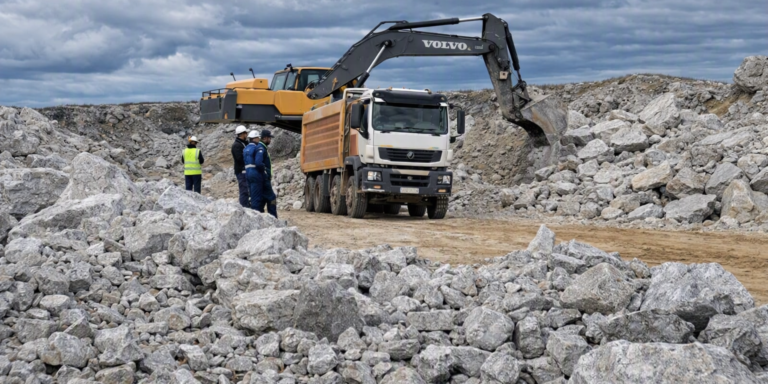
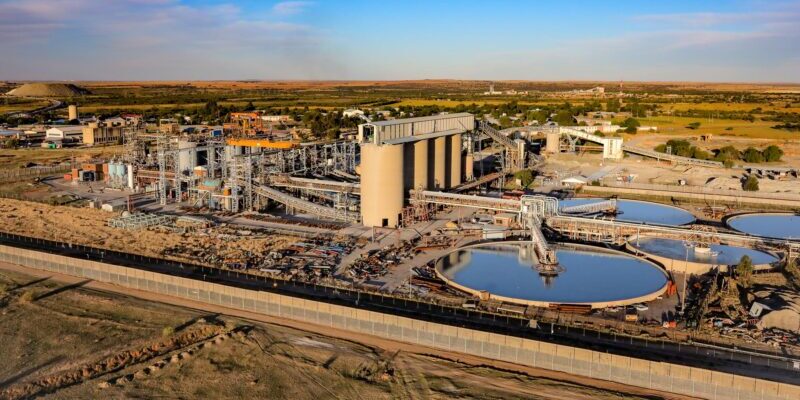
He confirmed that construction of the Syväjärvi open-pit lithium mine has been completed on schedule and mining operations have already begun.
The project’s concentrator is currently in the hot commissioning phase, while the refinery represents the final development stage.
A key factor influencing the refinery decision is the volatility of lithium hydroxide prices. With China accounting for more than 70% of global refined lithium supply, market pricing remains highly sensitive to Chinese production dynamics.
Prices fell below $10,000 per tonne in the second half of last year but later rebounded sharply due to strong demand for energy storage systems and electric vehicles, supply constraints in China, restocking ahead of the Lunar New Year, tax policy changes, and a weaker US dollar.
At present, lithium hydroxide prices are around $24,000 per tonne, a level at which Stewart said the Keliber project is financially strong and “very robust.” However, he warned that a return to significantly lower prices would threaten the refinery’s viability, as operations would struggle if prices fell below approximately $13,000 per tonne.
Sibanye-Stillwater and project partners are also engaging with European policymakers and Finnish authorities on potential support mechanisms.
According to Chief European Advisor Mika Seitovirta, discussions are underway regarding possible price protection frameworks and early-stage support for strategic raw materials projects.
He noted that initial engagement has been positive, though concrete mechanisms are still under development.
The EU’s recent Industrial Accelerator Act, which promotes “Made in the EU” supply chains and local content requirements, is seen as beneficial for Keliber, which aims to supply European customers with locally produced lithium.
However, industry stakeholders argue that Europe still lacks targeted financial instruments such as price floors or ramp-up support for critical minerals projects.
Stewart emphasized that the refinery decision is not being used as leverage in negotiations with the EU, but rather depends on economic fundamentals. He stressed that regulatory support would improve investment certainty, but the core consideration remains long-term project viability.
He added that while mining and processing operations are relatively straightforward, refining lithium is a complex industrial process that requires significant operational experience to optimize.
Sibanye-Stillwater is expected to leverage insights from comparable global facilities, including refineries developed by Tesla, to support technical development.
Stewart also highlighted that Keliber is currently the only integrated lithium project in Europe, describing it as a strategic asset not only for the region but for global supply diversification.
About the Author