Manganese Firms Move to Build Major Export Terminal at the Port of Ngqura in South Africa
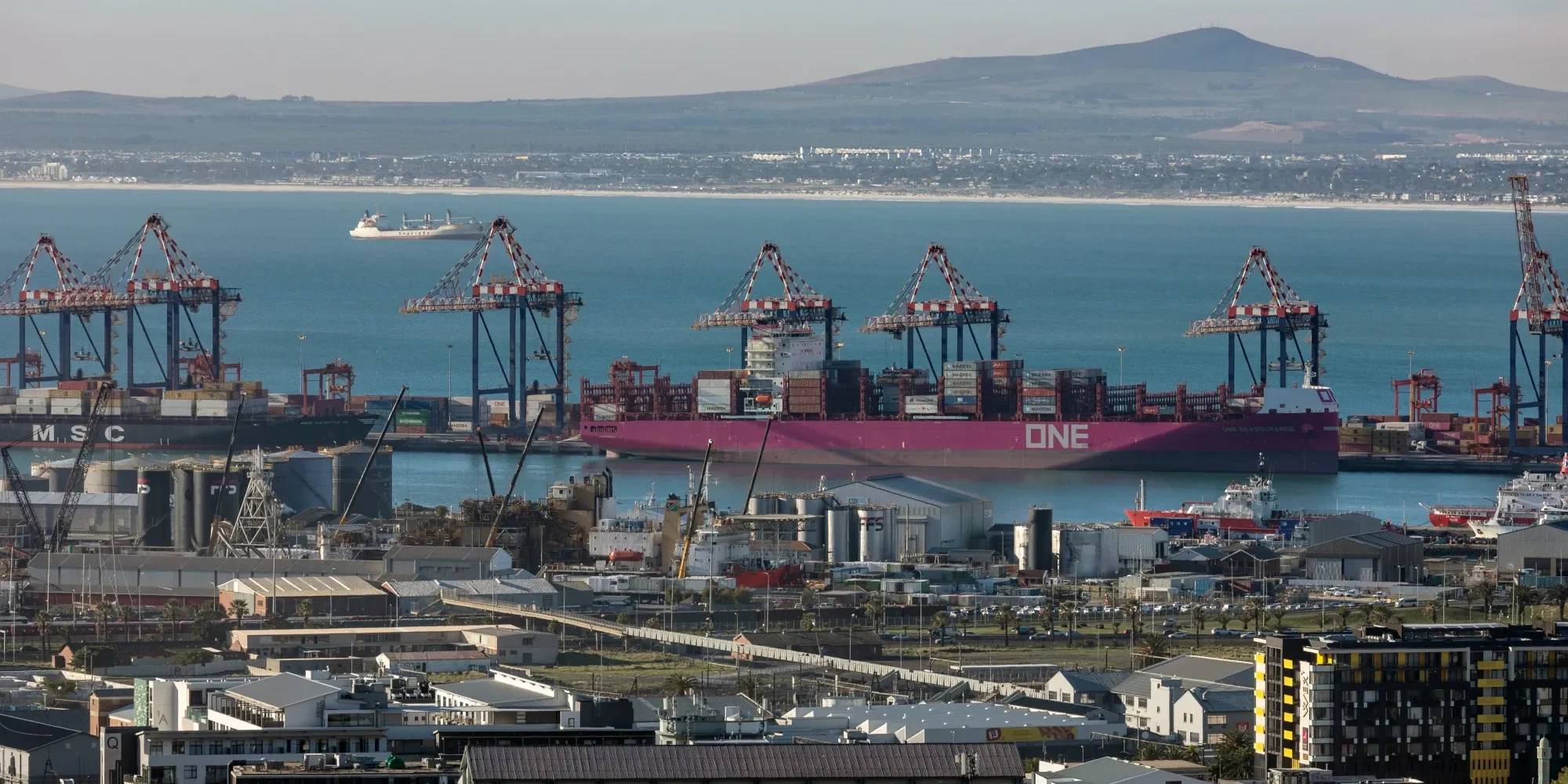
Leading manganese producers in South Africa are preparing to bid for the development and operation of a new export terminal at the Port of Ngqura, a move that signals a significant shift in the region’s mineral logistics strategy.
The proposed facility is expected to become a dedicated hub for manganese exports, addressing long-standing infrastructure constraints that have limited the country’s ability to fully capitalize on its vast mineral resources.
With global demand for manganese continuing to rise driven by steel manufacturing, infrastructure development, and emerging battery technologies the initiative reflects a growing recognition that efficient logistics are now as critical as mineral production itself.
Despite holding the world’s largest manganese reserves, South Africa’s mining sector has faced persistent challenges related to rail capacity, port congestion, and transportation reliability.
These logistical bottlenecks have often resulted in delayed shipments, increased operating costs, and reduced export volumes.
Industry stakeholders have increasingly concluded that expanding port infrastructure is essential to sustaining growth in the manganese sector.
The proposed terminal at the Port of Ngqura is therefore being viewed not merely as a new facility, but as a strategic intervention designed to unlock production potential and stabilize supply chains in a highly competitive global market.
The initiative is expected to be pursued through a consortium of major mining companies, reflecting a collaborative approach to infrastructure development in capital-intensive industries.
By pooling financial and operational resources, producers aim to accelerate project implementation while sharing the risks associated with large-scale investments.
This model has become increasingly common in the mining sector, where the cost of building and maintaining specialized export infrastructure can be prohibitively high for individual firms.
The consortium structure also demonstrates strong industry confidence in the long-term outlook for manganese demand.
From an operational perspective, the new export hub could deliver substantial efficiency gains across the supply chain.
A dedicated terminal would streamline loading operations, reduce vessel turnaround times, and increase overall export capacity. These improvements would help lower per-ton transportation costs and enhance the reliability of deliveries to international customers.
In commodity markets, where margins are often tight and competition is intense, even modest reductions in logistics costs can significantly improve profitability.
As a result, infrastructure upgrades such as the proposed Ngqura terminal are increasingly viewed as strategic investments rather than routine operational expenses.
The economic implications of the project extend beyond South Africa and are likely to influence the broader Southern and Central African mining landscape.
Neighboring countries, including Zambia, Namibia, and Botswana, could benefit from improved regional export routes and more efficient access to global markets.
Enhanced logistics infrastructure has the potential to stimulate cross-border trade, encourage new mining investments, and support the development of mineral aggregation and processing facilities.
For emerging manganese producers in the region, reliable export capacity is often a decisive factor in determining whether projects can proceed to commercial scale.
However, the success of the proposed export hub will depend on several critical factors. Regulatory approvals, environmental assessments, and financing arrangements must all be secured before construction can begin.
Large infrastructure projects of this nature typically involve substantial capital expenditures and long development timelines, making them sensitive to market volatility and policy uncertainty.
Fluctuations in global steel demand, shipping costs, or commodity prices could influence investment decisions and project feasibility.
Looking ahead, the planned export terminal at the Port of Ngqura represents more than a logistical upgrade; it marks a structural evolution in how the manganese industry is responding to global demand pressures.
As supply chains become more complex and competition intensifies, infrastructure is emerging as a key determinant of market leadership.
If successfully implemented, the project could reshape manganese export dynamics across Africa, strengthen the region’s position in global mineral markets, and support sustained growth in one of the continent’s most strategically important mining sectors.
About the Author