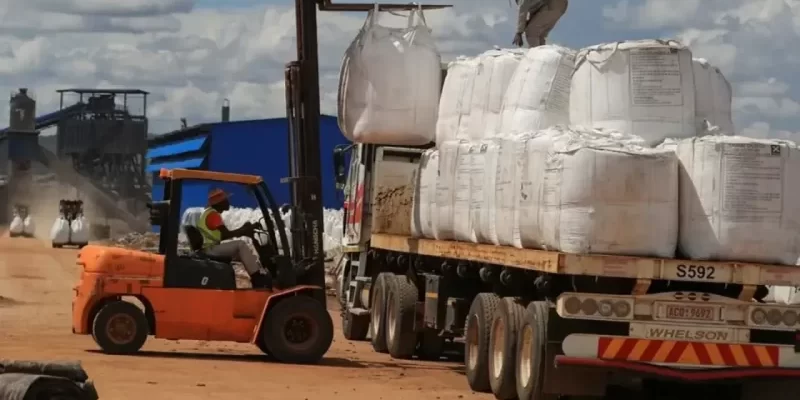
Zimbabwe to Commission Africa’s First Lithium Sulphate Plant, Strengthening Its Role in the Global EV Battery Supply Chain
Zimbabwe is preparing to inaugurate Africa’s first lithium sulphate processing plant, marking a significant milestone in the country’s mineral beneficiation strategy.
The facility is being developed by Prospect Lithium Zimbabwe (PLZ), the country’s largest lithium producer, with financial backing from Zhejiang Huayou Cobalt Co.
The plant, located at Huayou’s Bikita Mine in southeastern Zimbabwe, has attracted approximately US$500 million in investment and has now reached the equipment commissioning phase a key step before full-scale production begins.
Production Timeline and Capacity
In October 2025, Zhejiang Huayou Cobalt announced that lithium sulphate production would commence in the first quarter of 2026.
According to PLZ General Manager Henry Zhu, initial output is expected early in the year, with projected annual production exceeding 60,000 metric tonnes of lithium sulphate.
Final volumes will depend on plant configuration and ramp-up efficiency, given that the facility is newly constructed.
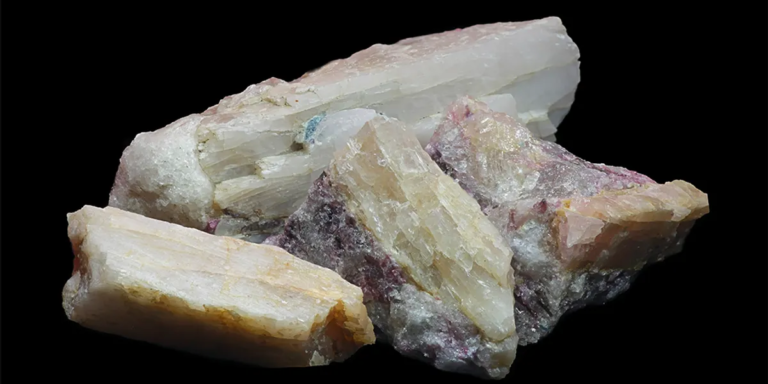
The commissioning of this plant represents a structural shift in Zimbabwe’s lithium value chain. Rather than exporting raw spodumene concentrate, the country will process lithium into lithium sulphate an intermediate product used in the manufacture of lithium-ion batteries.
Strategic Move Toward Mineral Beneficiation
Lithium, often dubbed “white gold,” is a critical raw material in electric vehicle (EV) batteries and renewable energy storage systems.
By investing in refining capacity, Zimbabwe is positioning itself higher up the battery materials value chain, capturing greater economic value from its mineral resources.
The project aligns with Zimbabwe’s broader industrialisation strategy, which emphasizes value addition, export diversification, and integration into global supply chains for clean energy technologies.
A company spokesperson described the initiative as “a catalyst for economic transformation,” highlighting its expected impact on employment, infrastructure development, environmental management, healthcare, and education within surrounding communities.
Zimbabwe’s Growing Lithium Dominance
Zimbabwe continues to consolidate its position as Africa’s leading lithium producer. In 2024, the country recorded the highest lithium output on the continent.
Production is projected to reach 160,000 tonnes of lithium carbonate equivalent (LCE) annually by 2030 significantly ahead of regional competitors.
Export data underscores the sector’s rapid expansion:
In the first half of 2025, Zimbabwe exported 586,197 metric tonnes of lithium spodumene concentrate, a 30% increase from 451,824 metric tonnes during the same period in 2024.
During the first nine months of 2025, spodumene shipments reached approximately one million tonnes.
This surge in export volumes occurred despite a sharp global price correction. Lithium prices fell from over US$80,000 per tonne in 2022 to approximately US$8,450 per tonne by June 2025 a decline of nearly 90%.
Strong Chinese Investment Presence
Since 2021, Chinese investors have committed approximately US$1.4 billion to Zimbabwe’s lithium sector. In addition to Zhejiang Huayou Cobalt, major players include:
-Sinomine Resource Group
-Chengxin Lithium
-Yahua Group
-Tsingshan Holding Group
These investments reflect Zimbabwe’s strategic importance in securing raw materials for the global battery and electric mobility industries.
The commissioning of Africa’s first lithium sulphate plant represents a pivotal step in Zimbabwe’s industrial transformation.
By moving from raw mineral exports to processed battery materials, the country aims to enhance revenue generation, attract further foreign direct investment, and deepen its integration into the global clean energy transition.
If successfully scaled, the Bikita plant could serve as a blueprint for further mineral beneficiation projects across Africa’s resource-rich economies.
About the Author