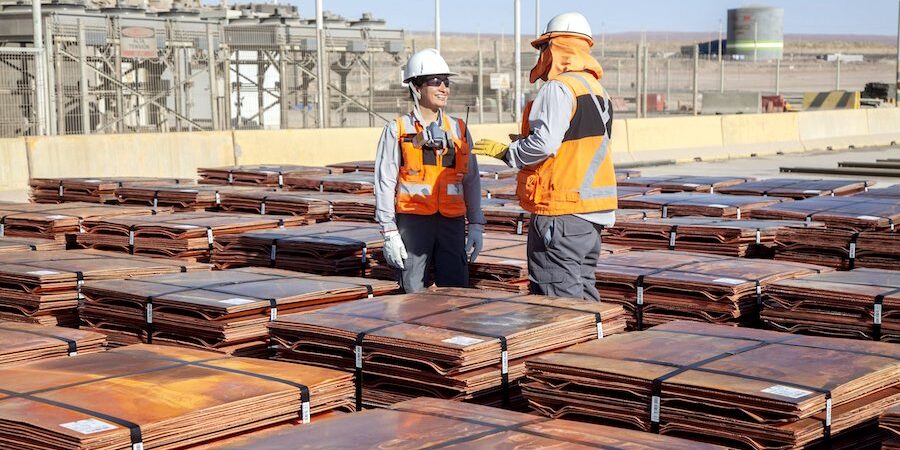
DRC and Zambia Strengthen Global Copper Position as Rising Demand Reshapes Energy and Mining Markets
The Democratic Republic of the Congo (DRC) and Zambia are reinforcing Africa’s strategic role in the global copper industry as rising demand for the metal reshapes the minerals and energy economy.
According to a report by Visual Capitalist, the DRC ranks among the world’s top four countries in terms of copper reserves, making it the largest holder of copper resources in Africa.
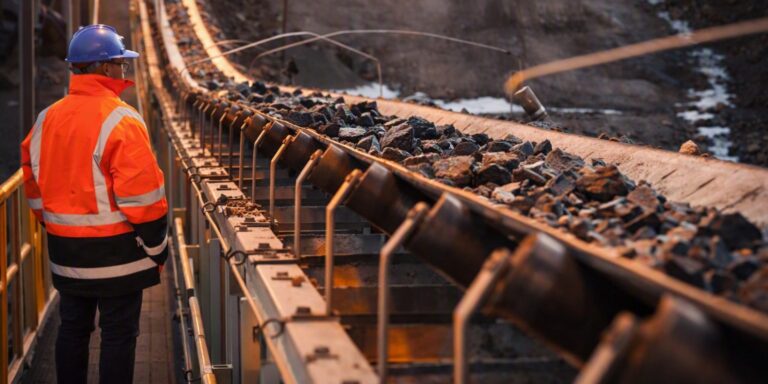
The country is also expanding its industrial footprint through new partnerships, including agreements involving state-owned Gécamines and Kamoto Copper Company, a major operation associated with Glencore Plc.
Zambia is also strengthening its position as a leading copper producer. The country is targeting output of more than one million tonnes by 2026 and aims to reach three million tonnes by 2031.
This expansion is supported by efforts to attract foreign investment and modernize mining operations.
Globally, copper reserves remain highly concentrated, with Chile holding the largest share at approximately 180 million tonnes nearly double that of the next leading country. In total, just five countries control more than half of global copper reserves, estimated at around 980 million tonnes.
In Africa, the DRC and Zambia form the backbone of the Central African Copperbelt, a region that is becoming increasingly important to global supply chains due to its scale and resource quality.
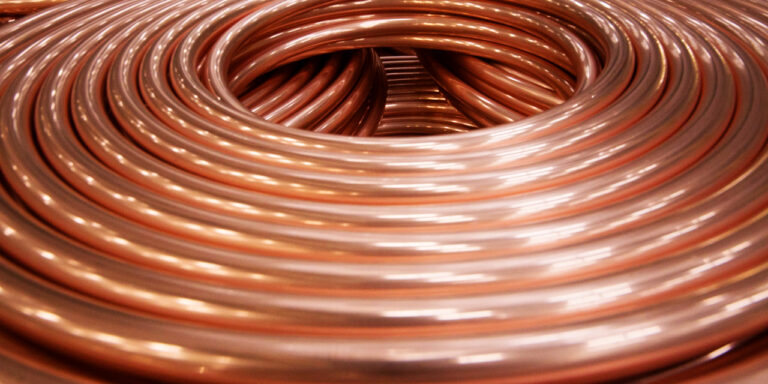
Copper demand is rising rapidly as its use expands beyond traditional construction. It is now a critical material for electric vehicles, renewable energy systems, power transmission infrastructure, and advanced technologies such as artificial intelligence data centers.
This structural shift in demand is expected to continue as global electrification accelerates.
At the same time, new supply is becoming harder and more costly to develop, as many high-grade deposits are depleted or increasingly complex to extract.
This tightening supply outlook is elevating the strategic importance of producers like the DRC and Zambia, positioning them at the centre of both Africa’s mining growth and the global energy transition.
About the Author