Global Demand for Critical Minerals Set to Soar as Countries Compete for Supply Chains and Value Addition
As the global economy accelerates its transition toward clean energy, electrification, and digital technologies, competition for critical minerals is intensifying, according to UN Trade and Development (UNCTAD) in its June 2026 Global Trade Update.
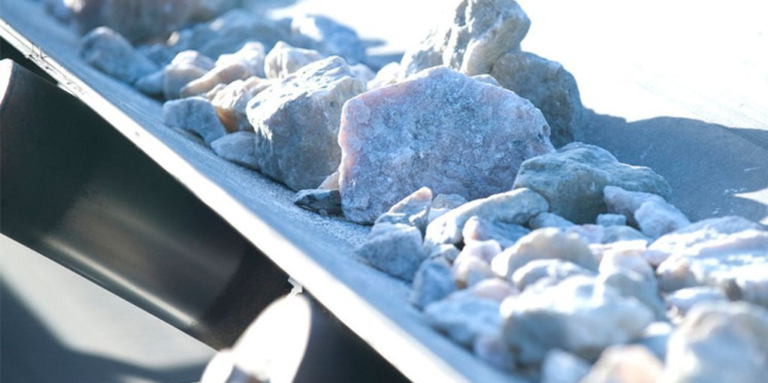
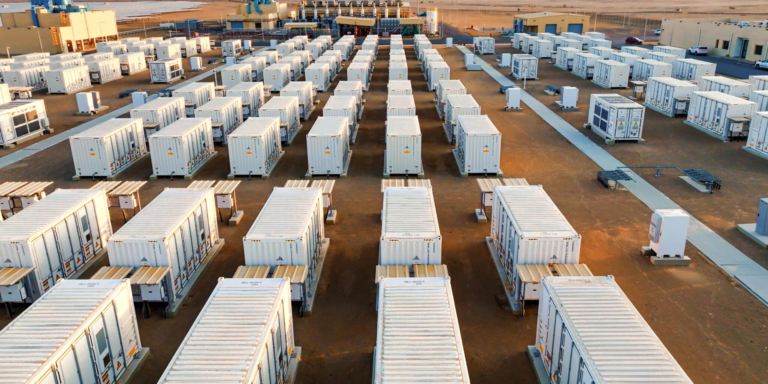
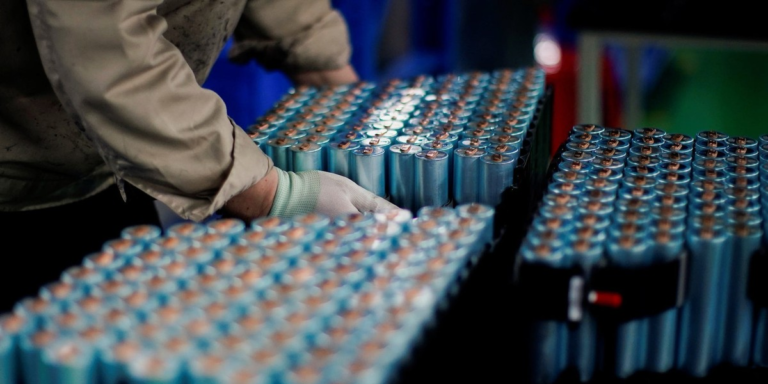
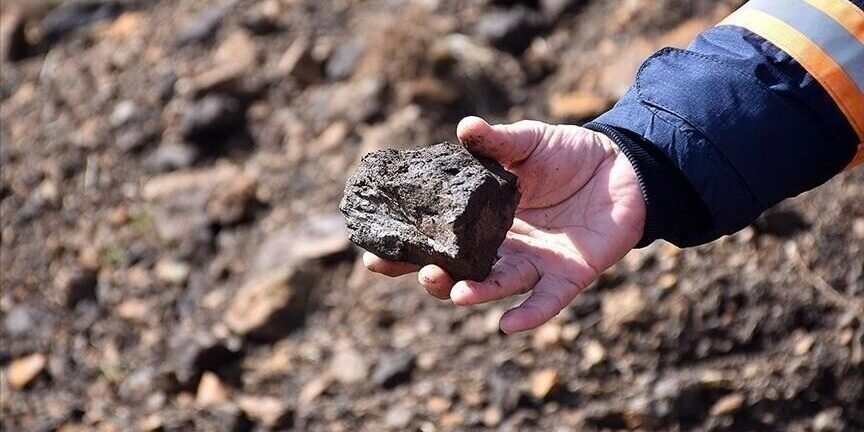
Minerals such as copper, nickel, lithium, cobalt, graphite, and rare earth elements are becoming increasingly vital for electric vehicles, battery storage systems, renewable energy technologies, semiconductors, and data centers.
UNCTAD projects that demand for lithium could increase by more than 350% by 2040, while graphite demand may rise by over 130%.
As a result, critical minerals have become central to global trade, industrial policy, and geopolitical strategy. Governments are increasingly using trade measures to secure access to these resources, expand domestic processing capacity, and strengthen their position within global value chains.
Since 2020, nearly 100 export-related restrictions including taxes, licensing requirements, and export bans have been introduced on critical minerals. Countries such as the Democratic Republic of Congo (DRC), China, and Indonesia have been among the most active users of these measures.
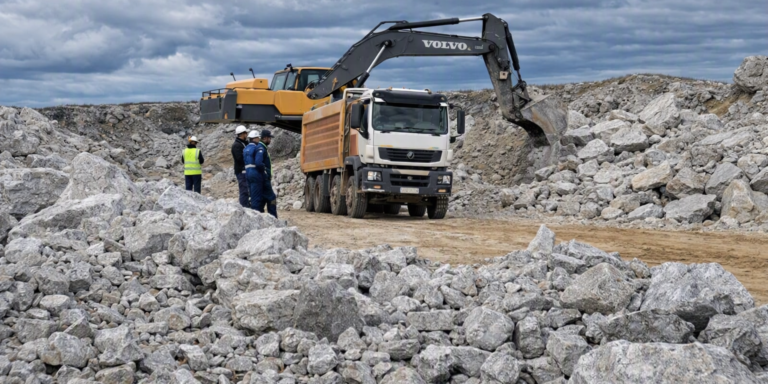
Despite growing demand, global supply chains remain highly concentrated. In 2025, the DRC accounted for 74% of global cobalt mine production, while China produced 78% of the world’s natural graphite.
Australia, Chile, and China together supplied more than 70% of global lithium production.
The concentration is even more pronounced in refining and processing, where much of the economic value is generated.
China remains the dominant player in processing several critical minerals, while Indonesia controls 43% of global nickel refining capacity.
According to UNCTAD, one of the main challenges for mineral-rich developing countries is that they continue to export raw materials while higher-value processing and manufacturing activities take place elsewhere.
At the same time, international cooperation around critical minerals is expanding. UNCTAD identified 73 partnership agreements and cooperation frameworks, with 58 signed since 2022.
Many of these arrangements cover the entire value chain, from exploration and extraction to refining, manufacturing, and recycling.
While these partnerships offer opportunities to attract investment and build industrial capacity, UNCTAD warns that many agreements remain heavily focused on extraction.
To capture greater economic benefits, the organization argues that mineral-rich developing countries must strengthen local processing industries, promote technology transfer, and invest in workforce skills.
Without these efforts, they risk remaining confined to low-value segments of global supply chains despite possessing some of the world’s most strategic resources.
As critical minerals become indispensable to the global energy transition, they are increasingly shaping trade, investment, and industrial development strategies worldwide.
About the Author