Zambia Restricts Raw Copper Exports as It Pushes Chinese Firms to Build Local Processing Plants
Zambia is moving to restrict exports of raw copper as the country steps up efforts to process and manufacture more of its mineral resources domestically, with Chinese industrial companies among those being encouraged to establish production facilities locally.
The policy reflects Zambia’s growing push to move beyond mining and concentrate production towards higher-value manufacturing that can create jobs, strengthen industrial capacity and generate greater economic returns from the country’s copper resources.
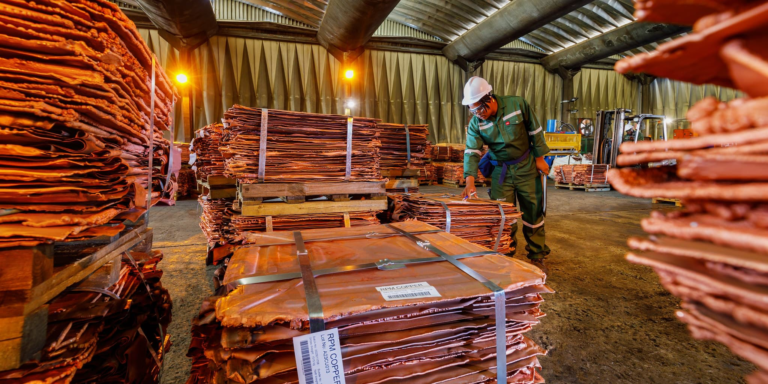
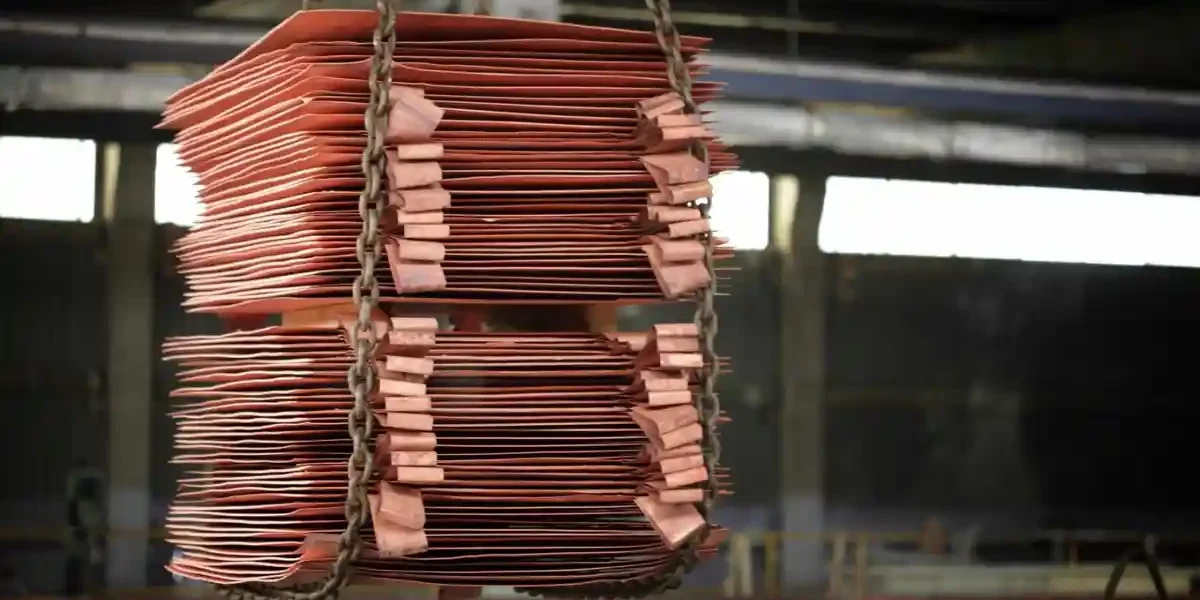
Zambian officials are negotiating with international industrial companies, including China’s Wuxi Jiangnan Cable, to establish manufacturing plants capable of converting copper cathodes into finished products such as high-voltage transmission cables and industrial wiring.
The proposed investment would allow more copper produced in Zambia to be transformed into finished or semi-finished products within the country rather than being shipped overseas for further processing.
Zambia Seeks Greater Value from Copper
The shift is part of a broader government strategy to increase local value addition across the mining sector.
Rather than relying predominantly on copper exports, Zambia wants to develop downstream industries around the metal and capture a larger share of the global copper value chain.
Copper is central to Zambia’s economy, accounting for more than 70% of the country’s exports.
The government has set an ambitious target of increasing national copper production to 3 million tonnes a year by 2031, making the expansion of domestic processing and manufacturing capacity increasingly important.
The proposed cable manufacturing investment would also position Zambia to supply products used in electricity transmission, construction and industrial infrastructure, potentially creating opportunities for local suppliers and manufacturers.
Chinese Companies Face Growing Local-Content Expectations
China remains an important player in Zambia’s mining and metals industry, with Chinese companies involved across mining, smelting, refining and other parts of the copper value chain.
However, Zambia’s latest approach signals that access to its mineral resources is increasingly being linked to investments that deliver economic benefits within the country.
For Chinese and other international companies, this could mean greater pressure to invest not only in mining and processing but also in downstream manufacturing facilities.
The strategy is consistent with a wider shift among African mineral producers seeking to reduce their dependence on the export of raw commodities.
Governments across the continent are increasingly seeking investments in refining, processing and manufacturing to create industrial jobs and retain more value locally.
For Zambia, developing a domestic copper manufacturing industry could provide an additional economic benefit as global demand for the metal rises.
Copper is increasingly important to power grids, electric vehicles, renewable energy systems, data centres and other infrastructure supporting the global energy transition.
The government’s challenge will be to balance tighter export requirements with the need to maintain an attractive investment environment for mining companies, while ensuring that new local-processing and manufacturing projects are commercially viable.
If successful, Zambia’s strategy could gradually transform the country from a major copper producer and exporter into a more integrated copper manufacturing hub in Africa.
About the Author