Luishia Copper-Cobalt Mine Turns to Solar and Battery Storage for Power Supply
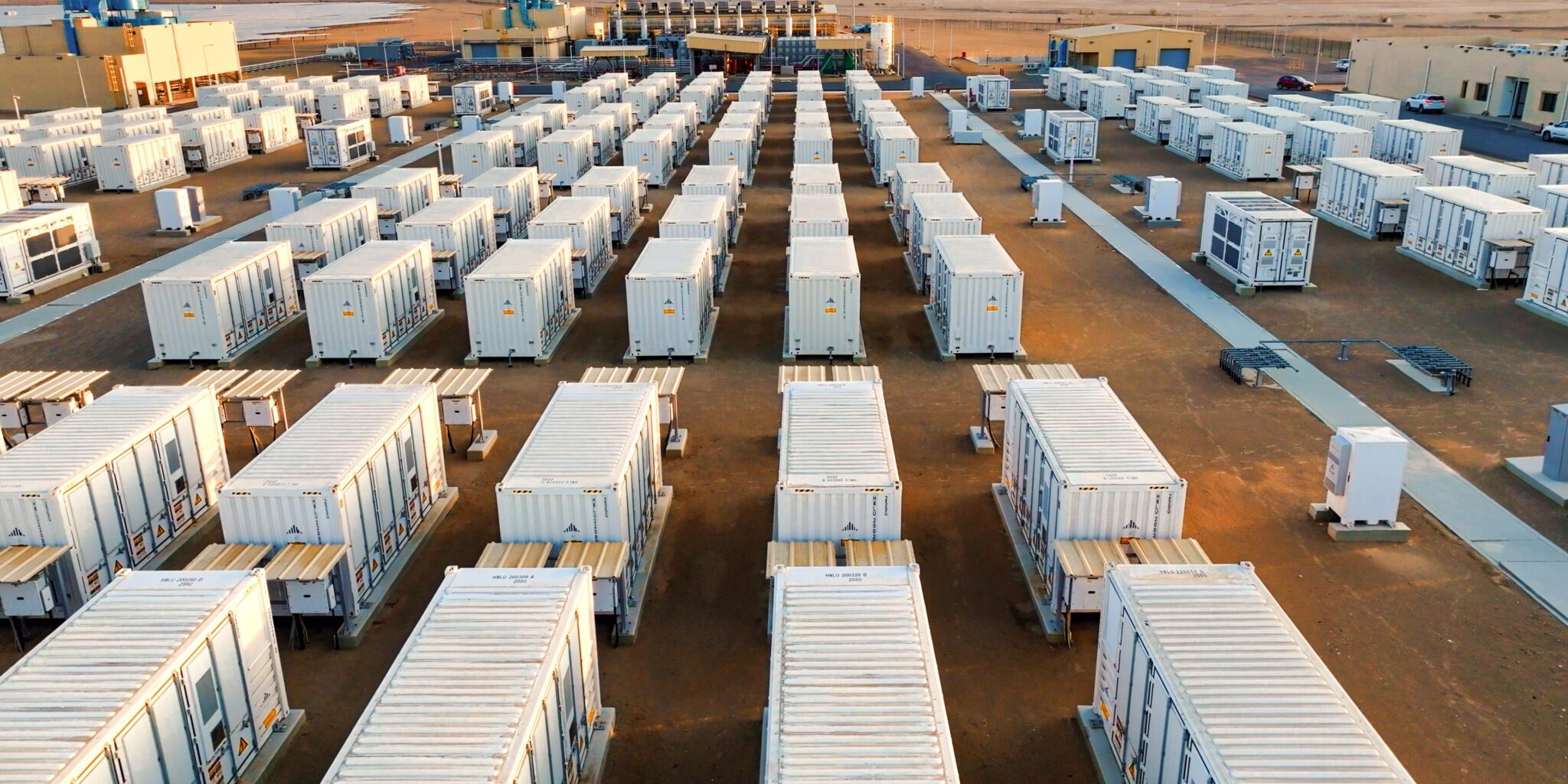
A copper-cobalt mine in the Democratic Republic of Congo’s Haut-Katanga province has begun using a 32 MWp solar power plant coupled with a 58 MWh battery energy storage system to strengthen its electricity supply and reduce reliance on diesel generators.
Located in Luisha, about 80 kilometres from Lubumbashi, the project was successfully connected and energised on June 19, 2026. Developed and constructed by China Railway Seventh Group, the system is designed to provide a stable 14 MW of power and more than 50 million kWh of electricity annually.
The installation is expected to supply the mine with electricity for up to 11 hours during daylight hours, with the battery system helping to stabilise output from the solar plant and reduce the impact of intermittent generation.
The project operates under a long-term power purchase agreement. China Railway Seventh Group was responsible for the design, procurement, construction, commissioning, grid connection, operation and maintenance of the facility.
According to China Railway Group, the project is intended to address the mine’s longstanding challenges with unreliable grid electricity and heavy reliance on diesel generation.
The shift to solar and battery storage is expected to provide a more stable and cleaner source of power for mining operations.
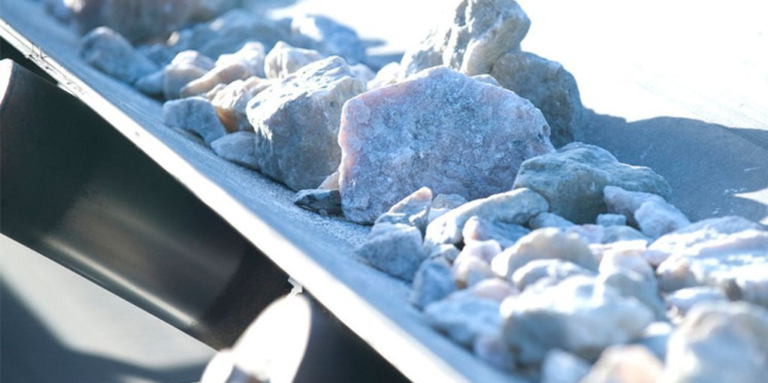
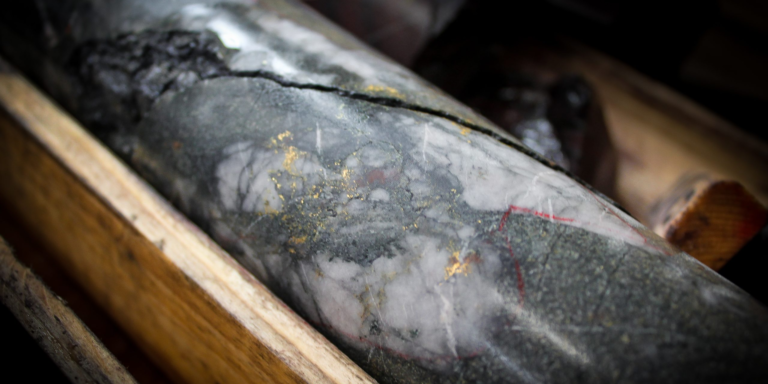
The Luisha copper-cobalt mine is a large open-pit operation with reported reserves of 31.62 million tonnes of ore, containing about 760,000 tonnes of copper and 56,000 tonnes of cobalt. Its processing capacity is 1.5 million tonnes a year, with annual production of more than 30,000 tonnes of copper cathode and over 1,000 tonnes of cobalt hydroxide.
The project highlights the growing use of renewable energy and battery storage to support mining operations in the DRC, where inadequate and unreliable power supply remains a constraint on the expansion of copper and cobalt production.
About the Author