DRC Presses US for Greater Investment in Cobalt, Copper, Lobito Corridor and Grand Inga Projects
The Democratic Republic of Congo (DRC) has called on the United States to translate its privileged access to the country’s vast critical mineral resources into concrete investments that create jobs, expand electricity access and support industrial development.
Speaking after the second meeting of the US-DRC strategic partnership joint steering committee in Paris, Congolese Economy Minister Daniel Mukoko Samba emphasized that the success of the relationship should be measured by projects delivered on the ground rather than by the number of agreements signed.
The discussions focused on several strategic initiatives, including the Lobito Corridor transport network, the proposed Grand Inga hydropower project, and efforts to increase the flow of Congolese copper and cobalt to American markets.
“Our requirement is to move from signed agreements to real investments,” Mukoko Samba said, adding that the partnership must generate tangible benefits for Congolese citizens through mineral processing, electricity infrastructure and employment opportunities.
Congolese officials also called for greater technology transfer, skills development and adherence to local mining regulations, while encouraging increased participation by American investors in the country’s mining sector.
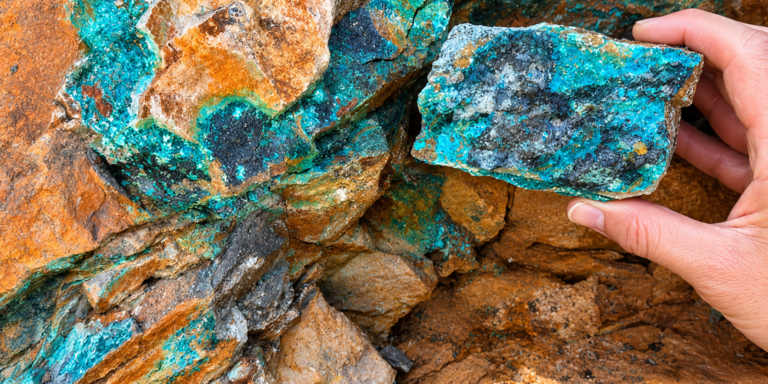
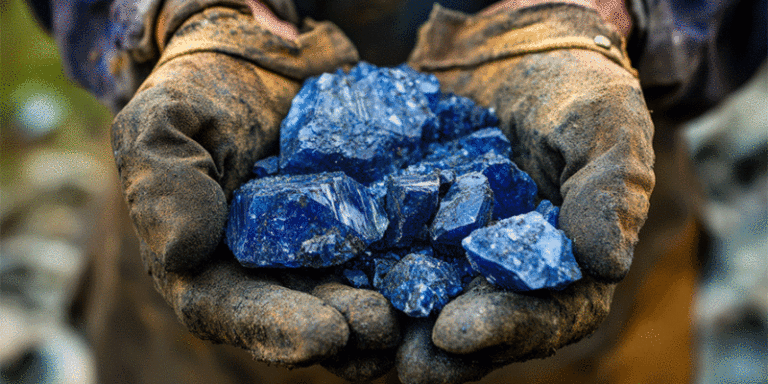
The DRC is home to the world’s largest cobalt reserves and is the second-largest producer of copper, two minerals that are essential for electric vehicles, renewable energy systems, batteries and advanced manufacturing technologies.
As global demand for these minerals continues to rise, Kinshasa is seeking to ensure that international partnerships contribute to domestic economic transformation rather than simply facilitating exports of raw materials.
The strategic partnership between Washington and Kinshasa, signed in December 2025, grants US companies preferential opportunities to compete for selected mineral assets and strategic projects.
However, it does not provide automatic ownership rights. Instead, American firms are granted a right of first offer, allowing them to negotiate potential investments before projects are offered to other investors.
Among the flagship projects under review is the Lobito Corridor, a major transport initiative designed to improve the movement of minerals from the Copperbelt region to international markets through Angola’s Atlantic port of Lobito.
A key component of the corridor is the rehabilitation and modernization of the 1,004-kilometre Dilolo-Sakania railway line.
The Congolese government estimates the project will require approximately US$1.26 billion in investment.
The rail link is expected to strengthen export routes from key mining centres such as Kolwezi, Tenke and Lubumbashi, improving logistics for copper and cobalt producers.
The Grand Inga hydropower programme also featured prominently in the discussions. The project is viewed as critical to supporting industrialisation and expanding electricity access across the country.
Despite possessing some of the world’s greatest hydropower potential, only about 21% of the DRC’s population currently has access to electricity.
While the World Bank has already approved an initial US$250 million credit as part of the planned Inga 3 development programme, no new American funding commitments were announced following the Paris meeting.
The partnership has already resulted in one significant transaction through the acquisition of copper and cobalt producer Chemaf by a joint venture involving US-based Virtus Minerals and India’s Lloyds Metals and Energy. However, Congolese authorities say a single transaction is not enough.
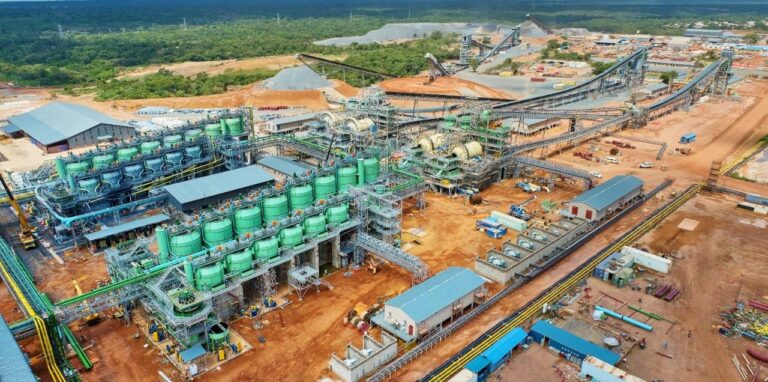
Kinshasa is seeking broader outcomes, including new mining operations, local processing facilities, transport infrastructure, energy generation projects and sustainable employment opportunities that can help maximize the value of the country’s critical mineral wealth.
About the Author