Chinese-Owned COMMUS Faces US$6.3 Million Lawsuit Over Alleged Environmental Damage at DRC Cobalt Mine
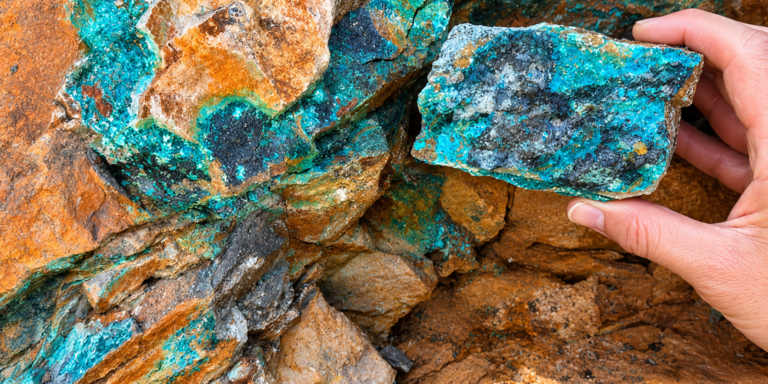
Twenty-seven residents living near the COMMUS copper-cobalt mine in the Democratic Republic of Congo have filed a US$6.3 million lawsuit, alleging that mining activities have caused environmental pollution and exposed local communities to health and environmental risks.
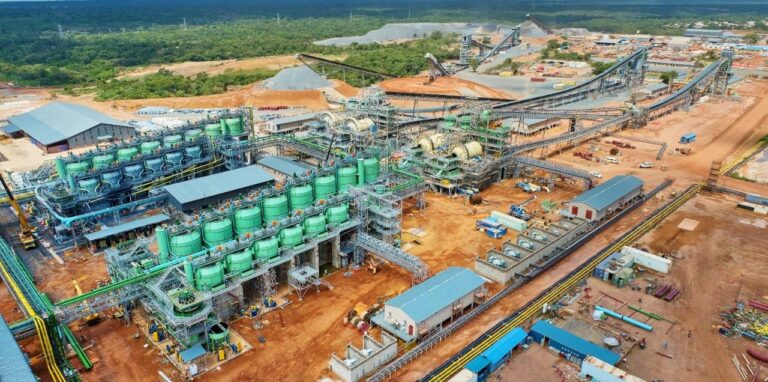
The case has been filed before the Commercial Court in Kolwezi and targets COMMUS, a mining company majority-owned by Chinese mining giant Zijin Mining, with minority stakes held by state-owned Gecamines and the Congolese government.
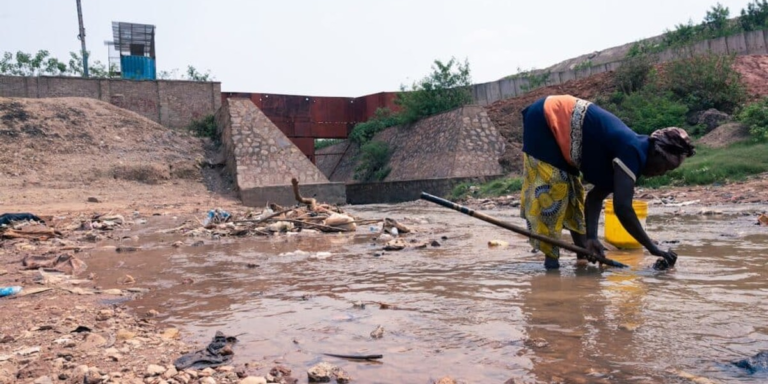
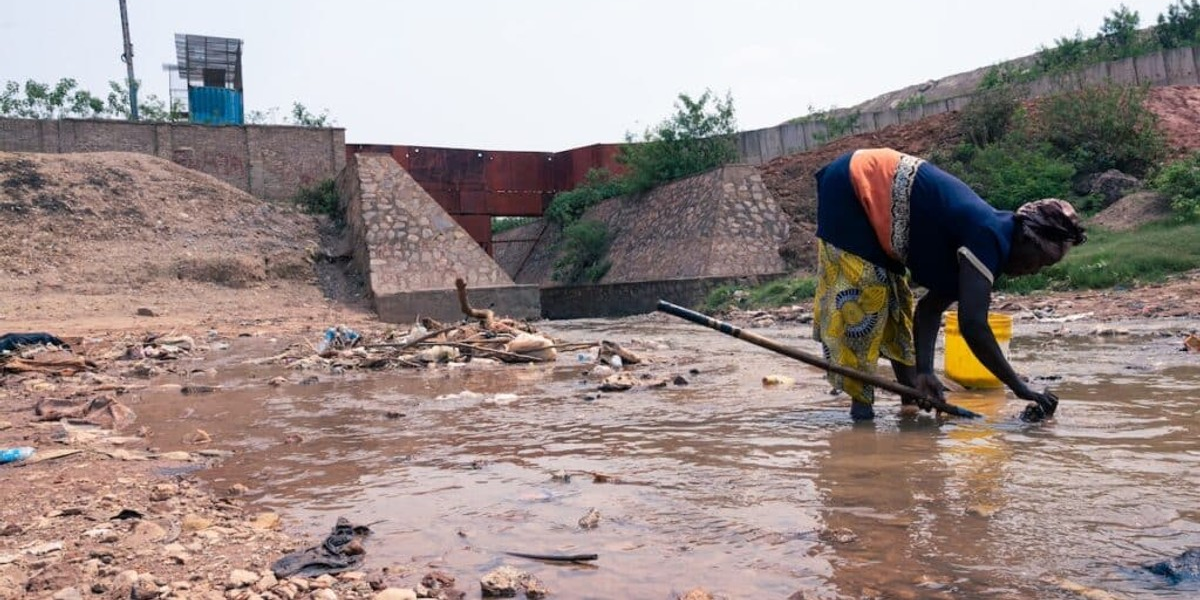
The plaintiffs accuse the company of contaminating local water sources and damaging the surrounding environment through its mining operations.
The legal action is being supported by UK-based watchdog RAID and Congolese civil society organisation AFREWATCH, both of which have cited scientific studies indicating elevated levels of particulate matter and water contamination in areas surrounding the mine.
Among the claimants are eight children. The group is seeking approximately US$1.3 million in compensation for alleged damages suffered by residents, as well as a further US$5 million to fund environmental rehabilitation and restoration efforts.
COMMUS has rejected the allegations and says it will vigorously contest the lawsuit. The company maintains that its operations comply with Congolese environmental regulations and argues that any pollution detected in the area could be linked to historic mining activities or natural geological conditions rather than its current operations.
The lawsuit also names the Congolese government and the Agency for Environmental Protection (ACE), accusing authorities of failing to adequately monitor the mine and enforce environmental standards.
The case is expected to test the application of the DRC’s 2018 Mining Code, which allows mining companies to be held liable for environmental damage unless they can prove that the harm resulted from causes unrelated to their activities.
The legal challenge adds to a growing number of environmental disputes involving mining operations across the DRC’s copper and cobalt belt.
Previous cases have focused on allegations of water pollution, damage to farmland and the impact of large-scale mining activities on local communities.
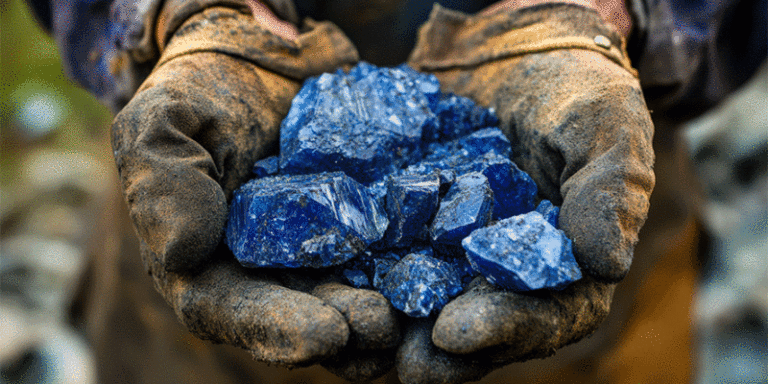
As global demand for cobalt continues to rise, driven largely by battery manufacturing and the energy transition, the outcome of the COMMUS case could become an important benchmark for environmental accountability and community rights within the Democratic Republic of Congo’s mining sector.
About the Author