Sovereign Metals Names Tim Carstens Executive Chair as US$727 Million Kasiya Project Advances Towards Investment Decision
Australian mining company Sovereign Metals has appointed experienced mining executive Tim Carstens as executive chairperson to oversee the development, financing and construction of its Kasiya Critical Minerals Project in Malawi, marking a significant step towards bringing one of Africa’s largest undeveloped mineral deposits into production.
Carstens officially assumed the position on November 19, 2026, following the completion of the project’s definitive feasibility study (DFS) in April.
His appointment comes as Sovereign transitions from technical evaluation towards securing the financing, regulatory approvals and commercial agreements required for construction.
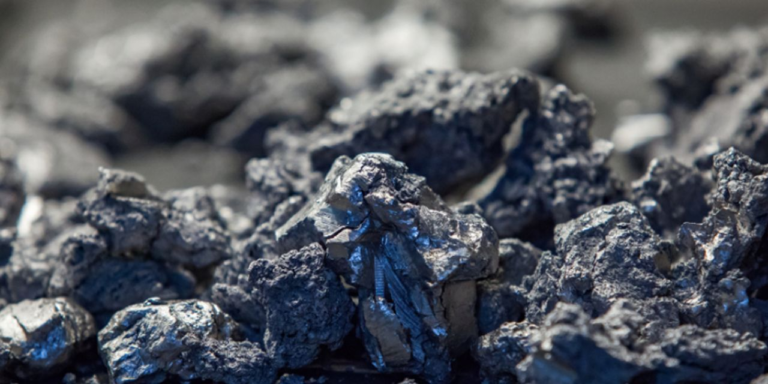
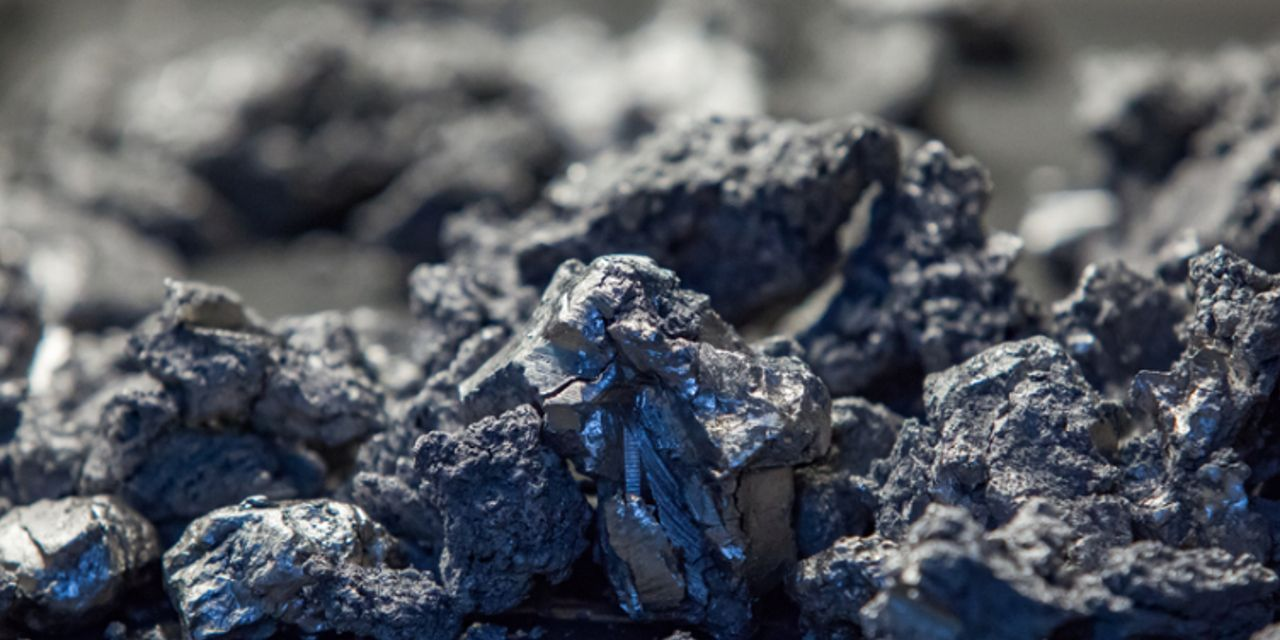
Located in Malawi’s Central Region, the Kasiya project hosts what Sovereign describes as the world’s largest natural rutile deposit and second-largest flake graphite deposit, positioning it as a potentially significant supplier of minerals used in advanced manufacturing, battery technologies and industrial applications.
Experienced Mining Executive to Drive Project Development
Carstens brings more than 25 years of experience in the international mining industry, including senior leadership positions with Perilya, North Limited, Robe River Iron Associates, Iron Ore Company of Canada and St Barbara Mines.
Most recently, he served as managing director of Base Resources from its establishment in 2008 until its acquisition by US-based critical minerals company Energy Fuels in October 2024.
During his tenure, Carstens led the financing, construction and successful operation of Kenya’s Kwale Mineral Sands Mine, the country’s first large-scale commercial mineral sands operation.
He also oversaw Base Resources’ acquisition and advancement of the Toliara mineral sands and rare earths project in Madagascar.
His experience in project financing, construction, mining operations and corporate development is expected to support Sovereign’s efforts to advance Kasiya towards a final investment decision.
Sovereign Managing Director and Chief Executive Officer Frank Eagar said the appointment represents an important turning point as the company moves beyond feasibility studies towards project execution.
Eagar highlighted Carstens’ experience in developing major African mining projects and his established relationships with investors, government institutions and capital markets in the United States.
These relationships are particularly relevant to Sovereign’s strategy of positioning Kasiya as a long-term supplier of critical minerals to international markets.
Kasiya Targets 25-Year Mine Life and Large-Scale Mineral Production
The Kasiya project is expected to become a major producer of natural rutile and graphite, with additional potential to recover rare earth minerals.
According to the April 2026 definitive feasibility study, the development is designed around an initial 25-year mine life, with approximately 536 million tonnes of ore expected to be mined over the period.
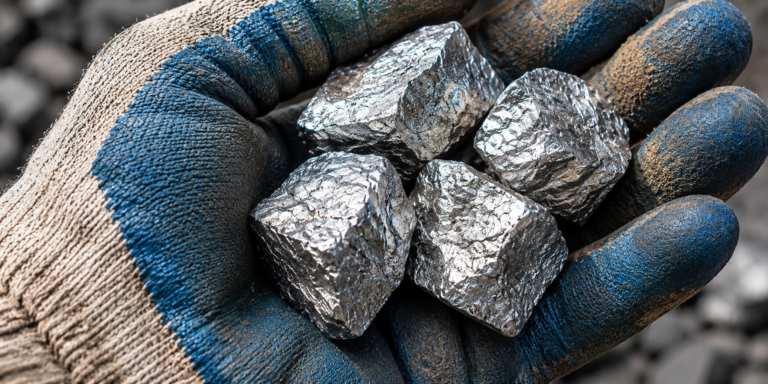
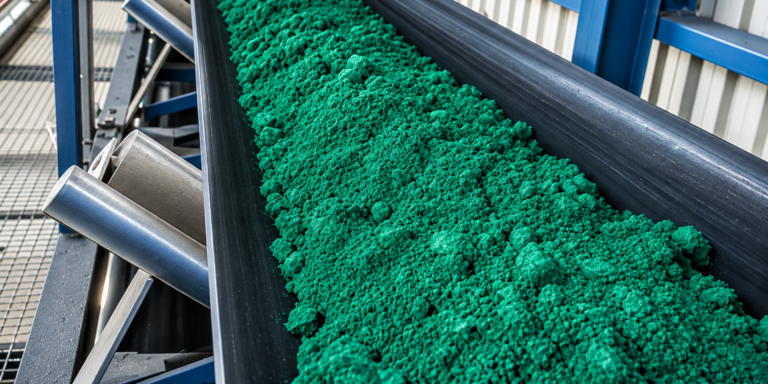
At steady-state production, Kasiya is projected to produce approximately 222,000 tonnes of natural rutile annually, grading more than 95% titanium dioxide, alongside 275,000 tonnes of graphite grading approximately 96% total graphitic content.
Natural rutile is an important source of titanium used in pigment manufacturing, aerospace applications and industrial products, while graphite is a key material used in lithium-ion battery anodes and other industrial applications.
The project’s scale and expected production profile could position Malawi as an important participant in international critical mineral supply chains.
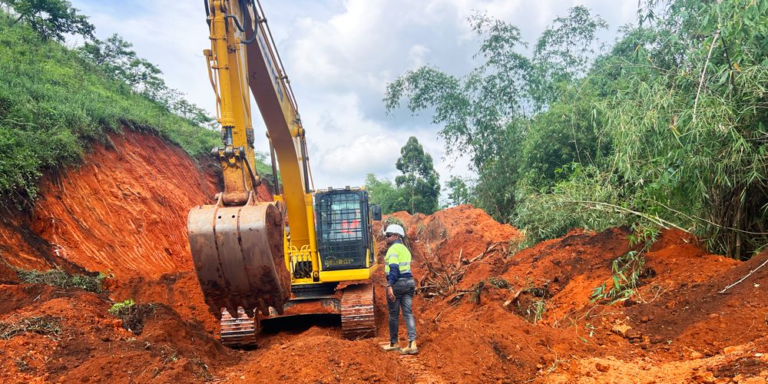
The development will use an open-pit mining method involving draglines and large haul trucks. Its relatively soft mineralised material is expected to allow mining without conventional drilling, blasting, crushing or milling.
Processing will be developed in stages, beginning with a 12-million-tonne-per-year southern plant, followed by a second plant from the fifth year of operations.
Once both plants are operational, total processing capacity is expected to reach approximately 24 million tonnes annually.
US$727 Million Investment Required Before Production
The definitive feasibility study estimates that approximately US$727 million in capital expenditure will be required to bring the project into initial production.
The project’s combined rutile, graphite and potential rare earths development has an estimated pre-tax net present value of approximately US$2.9 billion, based on the company’s economic assessments.
Sovereign is now focused on progressing permitting, financing arrangements, commercial agreements and organisational preparations ahead of a final investment decision.
Carstens is expected to play a central role in coordinating these activities, drawing on his previous experience securing capital and delivering major mining projects in Africa.
Although the feasibility study has been completed, Sovereign has not announced a confirmed construction commencement date or commercial production timeline.
The next stage of development will therefore depend on securing the necessary approvals, financing commitments and commercial arrangements.
Rare Earths Offer Additional Development Potential
Beyond rutile and graphite, Sovereign is investigating the potential to recover rare earth minerals from Kasiya.
In September 2026, the company announced that a scoping study had confirmed the potential to produce a monazite rare earth concentrate as a third product from the project.
The proposed development could expand Kasiya’s mineral portfolio and increase its strategic importance within global critical mineral supply chains.
The company estimates that an additional US$29 million would be required to establish a monazite recovery circuit, subject to further technical and commercial evaluation.
Sovereign plans to complete a prefeasibility study on the proposed rare earths operation in 2027, alongside additional metallurgical testing and discussions with potential customers.
The company has also renamed the development the Kasiya Critical Minerals Project to reflect its broader focus on rutile, graphite and potential rare earth production.
Board Changes Support Transition to Construction Phase
Carstens’ appointment forms part of a broader restructuring of Sovereign’s board as the company prepares for the next stage of Kasiya’s development.
Former chairperson Ben Stoikovich has retired from the board to concentrate on his position as chief executive officer of GreenX Metals.
Stoikovich joined Sovereign in October 2020 and became chairperson in December 2021, overseeing the advancement of Kasiya through several major technical and development milestones.
Although he has stepped down from the board, he is expected to continue providing consulting services to the company.
Founding director Mark Pearce has also retired following the company’s annual general meeting on November 18, ending nearly two decades of involvement in Sovereign’s corporate development.
Pearce played an important role in the company’s expansion into Malawi in 2012 and the subsequent advancement of Kasiya.
Ian Middlemas has assumed responsibility as chairperson of the company’s audit committee following Pearce’s departure.
Malawi Strengthens Position in Africa’s Critical Minerals Industry
The advancement of Kasiya comes amid increasing international interest in securing diversified supplies of minerals essential to industrial manufacturing, battery production and emerging technologies.
For Malawi, the project represents an opportunity to attract substantial mining investment, support employment creation and expand the country’s participation in global mineral supply chains.
The planned development could also generate opportunities for local contractors, equipment suppliers, logistics companies and service providers as the project progresses towards construction.
Sovereign’s immediate priorities will be securing financing, completing outstanding permitting requirements and finalising commercial arrangements that can support a final investment decision.
With Carstens now leading the board, the company is positioning itself to move Kasiya from feasibility into project delivery, potentially establishing Malawi as a significant producer of natural rutile, graphite and, subject to further studies, rare earth minerals.
About the Author