Zimbabwe Launches Rail Transport for Lithium Concentrate Exports to Improve Battery Mineral Logistics
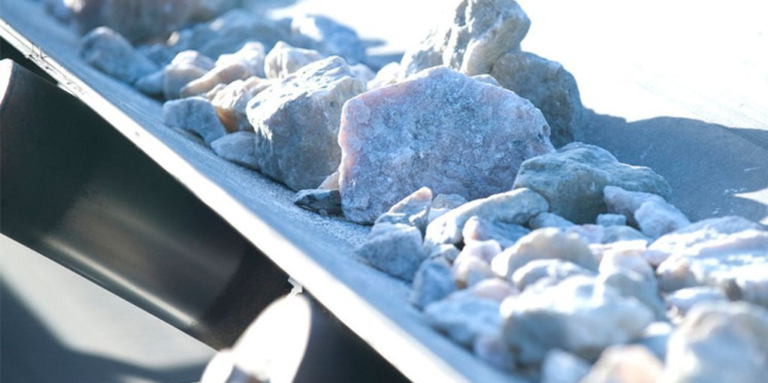
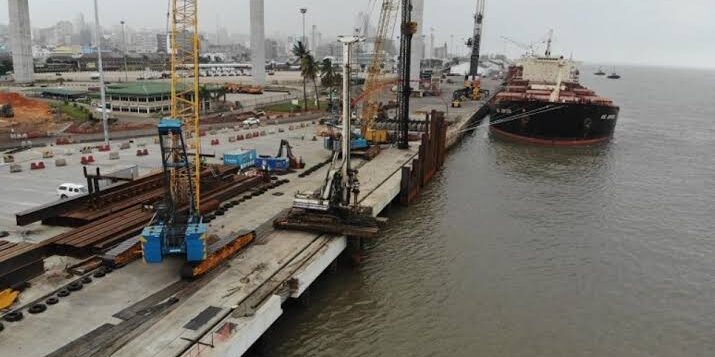
Zimbabwe’s state-owned railway company has partnered with private operators to introduce rail transportation for lithium concentrate exports to the Port of Maputo in Mozambique, creating a more efficient alternative to road freight.
The National Railways of Zimbabwe (NRZ) said the new logistics arrangement will allow the country’s lithium producers to transport battery minerals by rail, reducing reliance on trucking, which is more costly and often affected by congestion and logistical challenges.
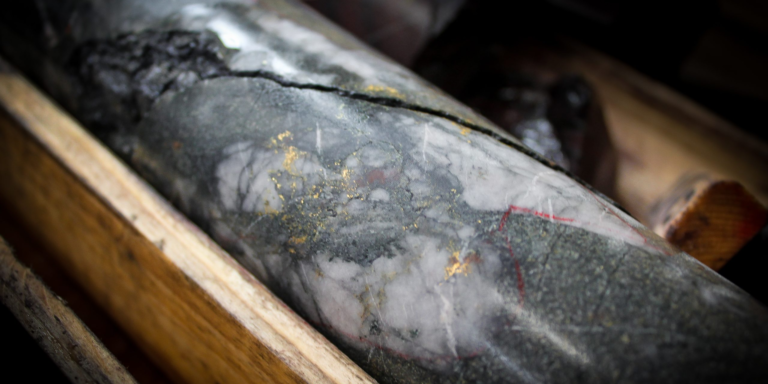
The first shipment of 1,000 tonnes of lithium concentrate from Tsingshan Holding Group’s Gwanda Lithium Mine is being transported through a partnership involving NRZ, Beitbridge Bulawayo Railway (BBR), a subsidiary of South Africa’s Grindrod, and Zimbabwean logistics company Silvergill.
The rail route begins with BBR’s 180-kilometre section between Gwanda and Beitbridge before connecting to NRZ’s network, which links Beitbridge to the Chicualacuala border crossing with Mozambique.
From there, Mozambique’s Limpopo railway line connects the shipment to the Port of Maputo, covering a total rail journey of about 1,000 kilometres.
The development comes as Zimbabwe seeks to strengthen mineral export infrastructure to support its rapidly growing lithium industry. The country has become Africa’s leading lithium producer following major investments by Chinese companies in mining and processing projects.
Zimbabwe’s lithium sector has attracted more than US$2 billion in investment since 2021 from companies including Zhejiang Huayou Cobalt, Sinomine Resource Group, Sichuan Yahua, Chengxin Lithium, and Tsingshan.
The NRZ has faced years of challenges due to limited investment, with freight volumes declining significantly from previous decades.
The railway operator has increasingly turned to partnerships with private companies to restore capacity and improve its role in mineral transportation.
Most of Zimbabwe’s lithium projects are located along routes that connect naturally to Mozambique, where minerals are exported mainly to China for further processing.
As the government pushes for greater local value addition, producers are also preparing to increase exports of processed lithium products, including lithium sulphate, a key material used in battery manufacturing.
The introduction of rail-based lithium transport is expected to improve Zimbabwe’s competitiveness in the global battery minerals supply chain while reducing pressure on road infrastructure.
About the Author