Mozambique Mandates 15% State Mining Stakes and Tightens Export Rules in Major Resource Nationalism Shift
Mozambique has enacted sweeping new mining legislation requiring the state to hold a minimum 15% free-carried and non-dilutable stake in all mining projects, as the country moves to secure a larger share of revenues from its mineral wealth.
The law was signed by President Daniel Chapo following parliamentary approval in May.
The reform comes amid surging global demand for critical minerals used in electric vehicle batteries and energy storage systems, positioning Mozambique as an increasingly strategic supplier in the global transition to clean energy.
Strengthening State Participation in Mining
Under the new legislation, the state will participate through the National Mining Company (ENM), which will automatically receive at least a 15% equity stake in all mining ventures across the value chain.
The policy applies to both new and existing mining projects, although implementation details for legacy contracts remain unclear.
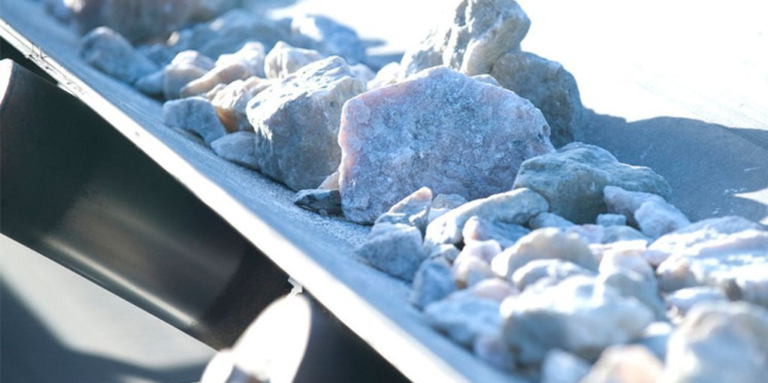
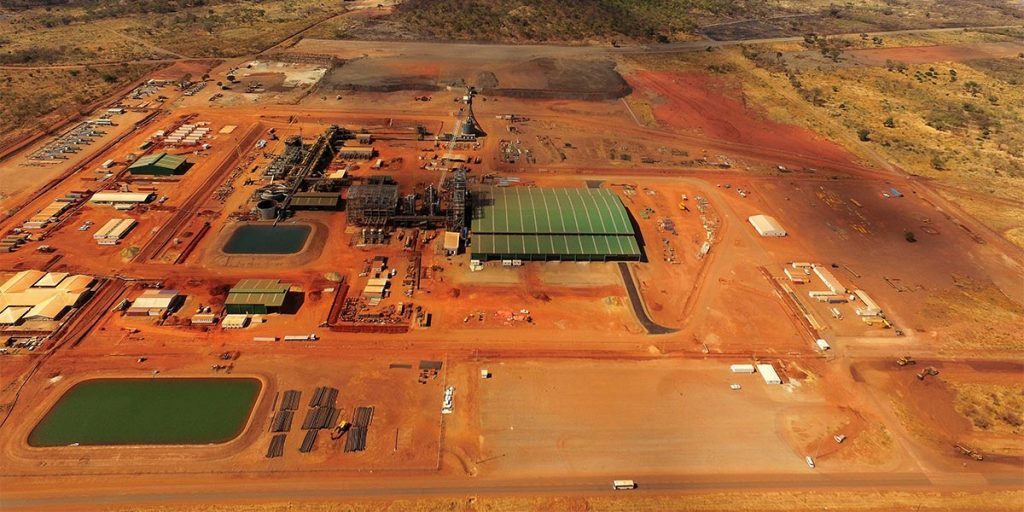
Mozambique is one of the world’s leading graphite producers, anchored by the giant Balama mine one of the largest graphite deposits globally.
As graphite plays a critical role in lithium-ion battery production, the country has gained importance in global supply chains, ranking among the top producers alongside China and Madagascar.
Push for Local Processing and Value Addition
Beyond ownership requirements, the law introduces stricter controls on mineral exports.
Companies will now be required to process minerals locally unless granted specific government authorization to export unprocessed or semi-processed materials.
The reform also introduces a revenue-sharing mechanism mandating that 10% of mining revenues be allocated to a local development fund aimed at supporting communities in resource-producing regions.
Part of a Broader African Trend
Mozambique’s policy shift reflects a wider wave of resource nationalism across Africa, where governments are seeking greater control and economic benefit from their mineral resources.
Countries such as Zimbabwe have introduced restrictions on raw lithium exports to encourage domestic processing, while the Democratic Republic of Congo has pursued policies aimed at increasing local value addition in its cobalt and copper sectors.
Strategic Importance and Economic Impact
In addition to graphite, Mozambique holds significant coal reserves and hosts the Montepuez ruby mine one of the world’s largest and most valuable gemstone operations.
Authorities say the new framework is designed to ensure that mining activities contribute more directly to national development, job creation, and industrial growth, while strengthening state oversight of strategic resources.
Investor Uncertainty and Policy Shift
While the law signals a stronger role for the state in the mining sector, uncertainty remains over how it will affect existing long-term investment agreements.
Industry observers note that the changes could reshape the operating environment for foreign mining companies active in the country.
As global competition intensifies for battery minerals and strategic resources, Mozambique is positioning itself to capture greater value from its mineral endowment, marking a significant shift in its mining policy and investment landscape.
About the Author