Africa’s Mineral Wealth Gains Global Attention as Guinea, DRC, Morocco and South Africa Lead Key Reserves
Africa is home to some of the world’s largest mineral reserves, with countries such as Guinea, the Democratic Republic of Congo (DRC), Morocco and South Africa playing a major role in supplying resources essential to industry, technology and the global energy transition.
The continent’s mineral wealth includes major deposits of bauxite, cobalt, copper, phosphate, platinum-group metals and other strategic resources.
As demand increases for electric vehicles, renewable energy systems, batteries and advanced technologies, Africa’s mineral assets are attracting growing interest from international investors and governments.
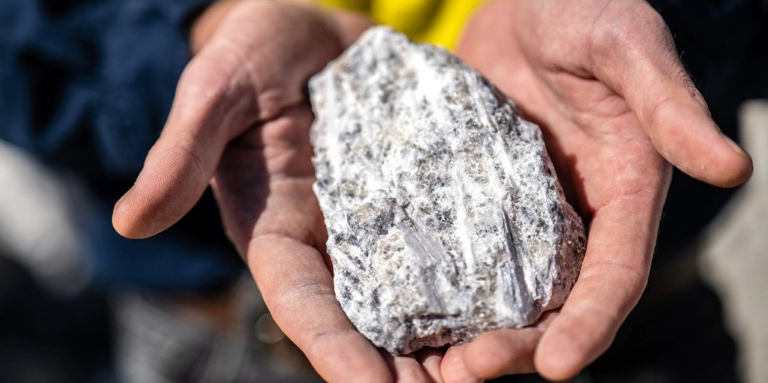
Guinea is one of the world’s leading holders of bauxite reserves, a key raw material used in aluminium production.
The country has become a major supplier to global aluminium markets, supported by large-scale mining operations and strong export demand.
The Democratic Republic of Congo is the world’s dominant producer of cobalt and holds some of the largest cobalt reserves globally.
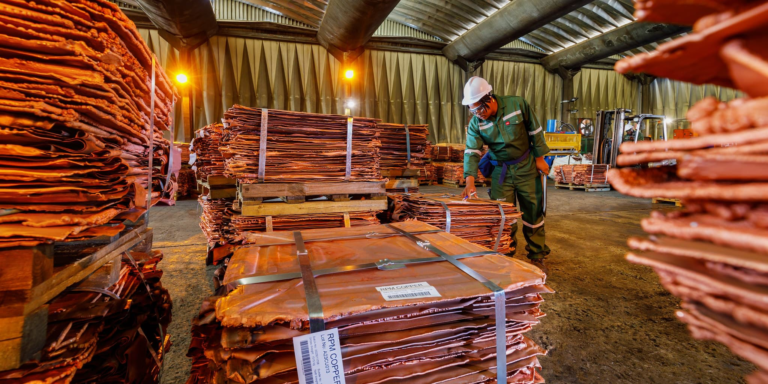
The country is also a major copper producer, making it a critical supplier of metals required for electrification, power infrastructure and battery manufacturing.
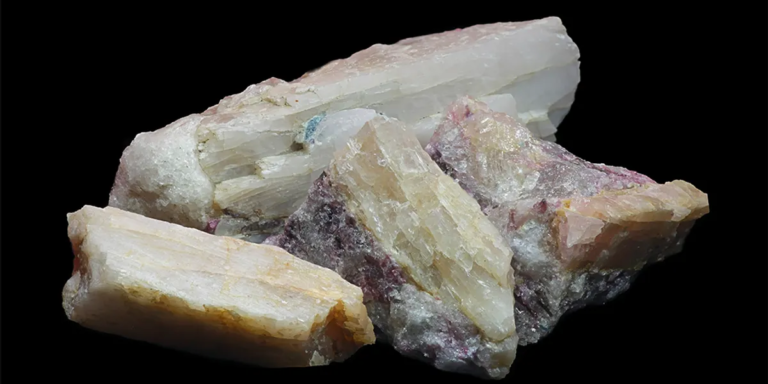
Morocco holds some of the world’s largest phosphate reserves, a resource vital for fertiliser production and increasingly important in emerging battery technologies.
Its phosphate industry gives the country a strategic role in global agriculture and industrial supply chains.
South Africa remains a global leader in platinum-group metals, which are used in automotive technologies, industrial applications and hydrogen-related industries.
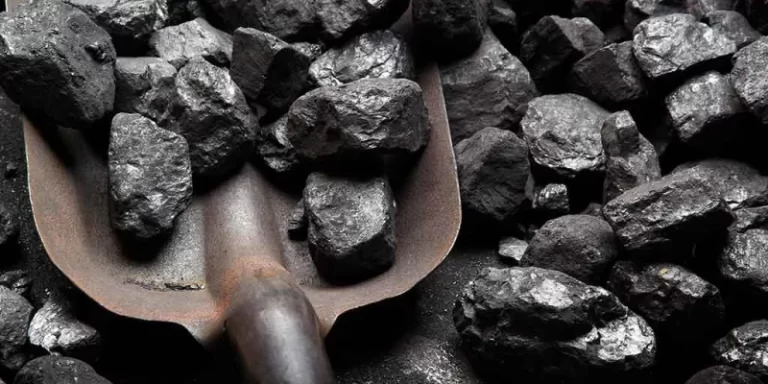
The country also has significant reserves of gold, manganese, chrome and other minerals.
Despite its resource advantage, Africa continues to face challenges in capturing more value from its mineral wealth.
Many countries still export raw materials rather than processed products, limiting opportunities for industrial development, job creation and local economic growth.
Governments across the continent are increasingly seeking to expand domestic processing, attract investment and develop stronger mineral value chains. These efforts aim to ensure that Africa benefits more from the growing global demand for critical minerals.
As competition for strategic resources increases, Africa’s mineral-rich countries are expected to play a larger role in supplying the materials needed for clean energy, technology and industrial development.
The long-term economic impact will depend on how effectively these nations transform their mineral resources into sustainable industries.
About the Author