Kenya and U.S. Advance Critical Minerals Agreement Focused on Local Processing and Industrial Growth
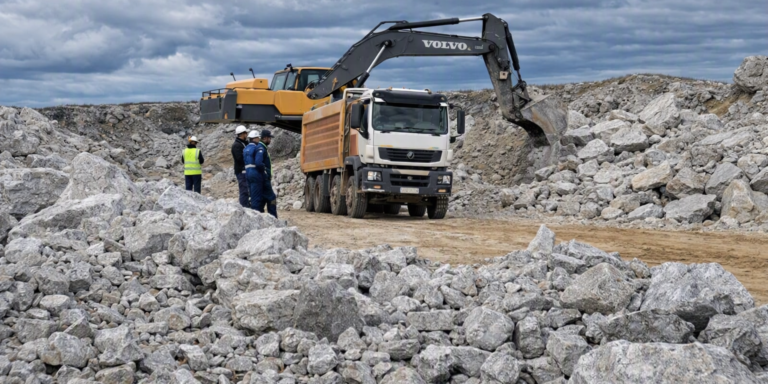
Kenya is on the verge of finalizing a critical minerals agreement with the United States that would prioritize domestic processing of strategic resources, reinforcing Africa’s growing determination to capture greater value from its natural wealth.
Speaking on the sidelines of the G7 Summit, Kenyan President William Ruto revealed that negotiations with Washington are at an advanced stage and could be concluded in the near future.
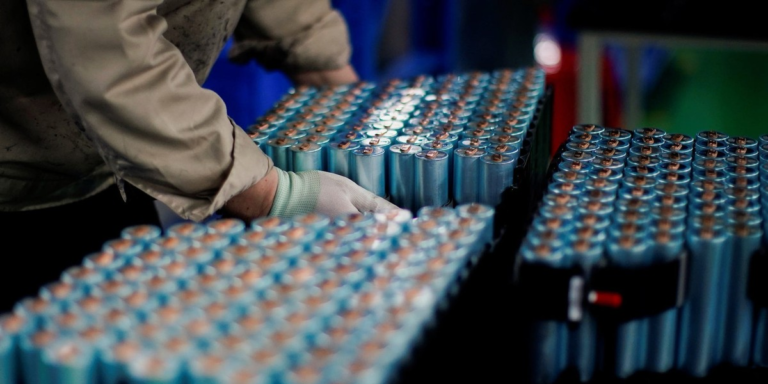
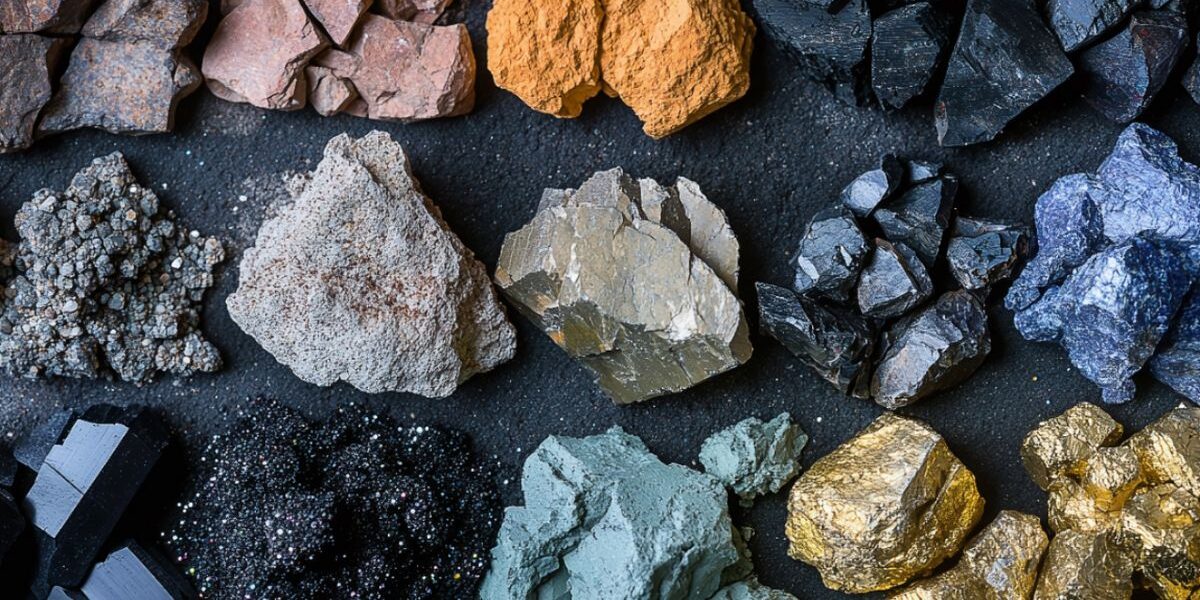
The proposed partnership will focus on rare earth elements and other strategic minerals essential to clean energy technologies, battery manufacturing, advanced electronics, and defense industries.
A key component of the agreement is the commitment to process minerals within Kenya rather than exporting them in raw form.
“We have agreed that the minerals will be processed in Kenya,” Ruto said following meetings with G7 leaders, including U.S. President Donald Trump.
The initiative reflects a broader shift across Africa toward local beneficiation and value addition. Governments increasingly view domestic processing as a way to create jobs, attract investment, develop industrial capacity, and retain a larger share of the revenues generated by their mineral resources.
Countries such as the Democratic Republic of Congo, Zimbabwe, and Mozambique have already introduced measures aimed at expanding local processing industries and reducing dependence on raw mineral exports.
Although Kenya is not traditionally regarded as a major mining producer, the country possesses significant untapped deposits of rare earth elements, niobium, lithium, graphite, copper, and nickel minerals that are becoming increasingly important in the global transition toward cleaner energy systems and advanced manufacturing.
The discussions also come amid intensifying global competition for access to critical minerals.
Western economies are seeking to diversify supply chains and reduce their dependence on China, which currently dominates the processing and refining of many strategic minerals.
At the recent G7 Summit, leaders reaffirmed their commitment to strengthening cooperation on critical mineral supply chains and securing access to resources needed for future industries.
For President Ruto, the issue goes beyond mining. He argued that Africa must move away from the longstanding economic model in which raw materials are exported while finished products are imported at a higher cost.
“These natural resources can no longer be exported and processed elsewhere. They have to be processed in-country and on the continent. We have to create value from them,” he said.
Ruto also called for a fundamental shift in Africa’s relationship with Western partners, emphasizing investment, industrialization, and job creation rather than traditional aid-based approaches.
“We are going to reject any relationships that are based solely on the extraction of our natural resources,” he stated.
Beyond the minerals sector, the Kenyan president urged G7 countries to support reforms to the global financial system that would improve Africa’s access to affordable capital.
He argued that the continent is not lacking financial resources but rather effective mechanisms to mobilize investment and reduce financing risks.
According to Ruto, African pension funds, insurance assets, and financial reserves collectively represent trillions of dollars that could be deployed more productively through stronger guaranteed frameworks and risk-sharing instruments.
He also welcomed growing international support for African financial institutions, including the African Trade & Investment Development Insurance (ATIDI), which plays a critical role in reducing investment risk and facilitating capital flows across the continent.
The proposed U.S.-Kenya minerals agreement highlights Nairobi’s ambition to position itself as a regional hub for mineral processing and industrial development.
More broadly, it reflects Africa’s increasing determination to ensure that a larger share of the economic benefits generated by critical minerals remains on the continent.
About the Author