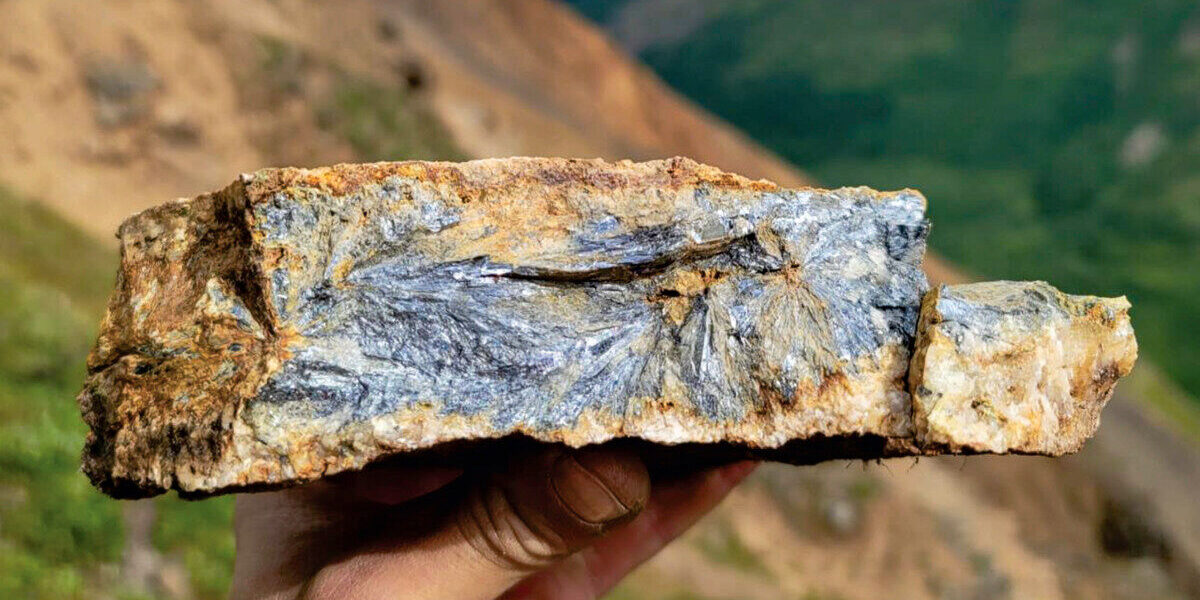
Morocco Secures Strategic Entry Into Global Antimony Supply Chain as Xtract Resources Wins 10-Year Mining Licence for Amghas Project
Morocco has taken a significant step into the global critical minerals market following the approval of a 10-year renewable mining licence for Xtract Resources’ Amghas antimony project in the country’s northwest.
The London-listed company is now positioned to develop production of a metal increasingly vital to defence, electronics, and advanced manufacturing supply chains.
The approval comes at a time when governments worldwide are seeking to reduce reliance on China, which remains the dominant producer and processor of antimony.
Growing concerns over supply concentration have elevated the mineral’s strategic importance, despite its relatively low public profile compared to lithium, copper, or cobalt.
Rising Strategic Importance of Antimony
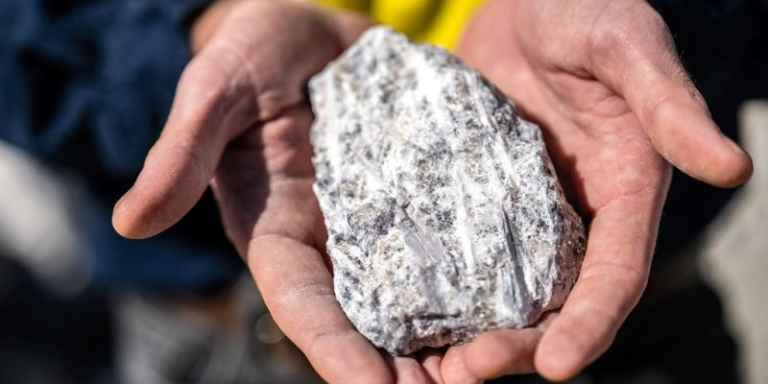
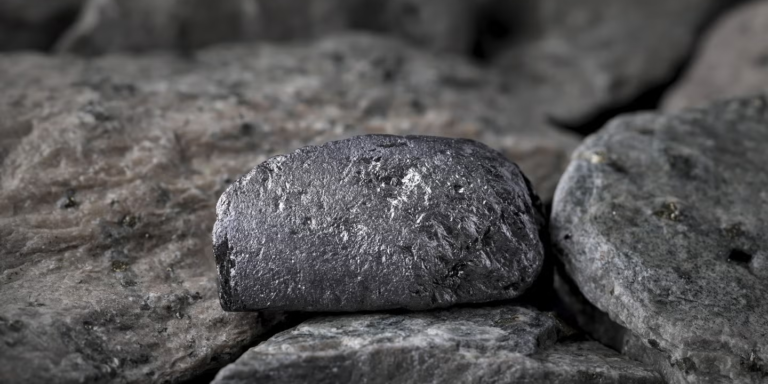
Antimony has become a critical mineral due to its wide range of applications in military equipment, ammunition, flame-retardant materials, semiconductors, batteries, infrared systems, and solar technologies.
China currently accounts for a significant share of global antimony supply, giving it substantial influence over a market now considered strategically sensitive by Western governments.
As a result, countries in Europe and North America are increasingly prioritizing alternative sources and diversified supply chains.
This shift has created new opportunities for emerging producers, particularly in regions with stable investment climates and access to export markets.
Morocco’s Expanding Role in Critical Minerals
The Amghas project aligns with Morocco’s broader ambition to strengthen its position in global critical minerals and industrial supply chains.
Traditionally known for its phosphate industry, the country is now attracting growing investment in sectors linked to electric vehicles, renewable energy, and battery manufacturing.
With proximity to Europe and a developing industrial base, Morocco is positioning itself as a strategic supplier of raw materials for global markets seeking to reduce exposure to concentrated supply risks.
The development of an antimony industry could further reinforce this role, adding another strategic mineral to the country’s resource portfolio.
Development Plans for the Amghas Project
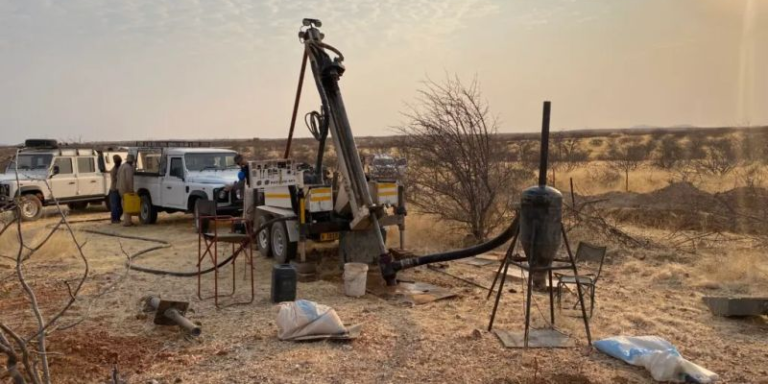
Xtract Resources has already begun relocating processing infrastructure from Casablanca to the Amghas site.
Its local subsidiary, Wildstone SARL, is also pursuing approval for a gravity processing plant with an initial capacity of 70,000 tonnes of ore per year.
The facility is expected to process ore from the Amghas deposit as well as material sourced from nearby small-scale miners.
In the longer term, the company plans to expand operations with a flotation plant capable of processing ore from Amghas, the neighbouring Ighoud deposit, and additional third-party suppliers.
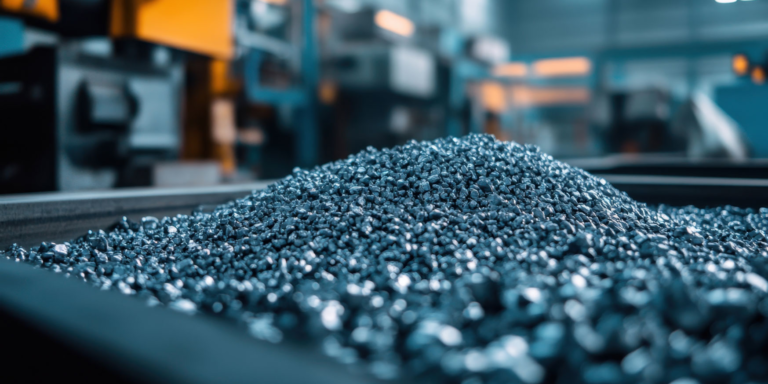
Metallurgical testing has reportedly produced antimony concentrate grades of up to 65%. The company is targeting initial concentrate production and sales by the fourth quarter of 2026.
Executive Chairman Colin Bird described the mining licence as a key milestone in advancing Xtract’s antimony strategy in Morocco.
Uncertainties Ahead
Despite progress on permitting and early development, several critical details about the project remain undisclosed.
The company has not yet released a comprehensive modern resource estimate for the Amghas deposit, and key metrics such as total reserves, production costs, mine life, and full capital expenditure requirements remain unclear.
These factors will be decisive in determining whether Amghas develops into a modest regional operation or evolves into a significant contributor to Morocco’s emerging critical minerals sector.
The issuance of the mining licence marks an important milestone for both Xtract Resources and Morocco.
However, the project’s long-term success will depend on its ability to demonstrate commercial viability in a global market increasingly shaped by geopolitical competition and supply chain security concerns surrounding strategic minerals such as antimony.
About the Author