DR Congo Raises Copper Exports to U.S. to 500,000 Tonnes, Launches Strategic Cobalt Reserve to Boost Market Influence
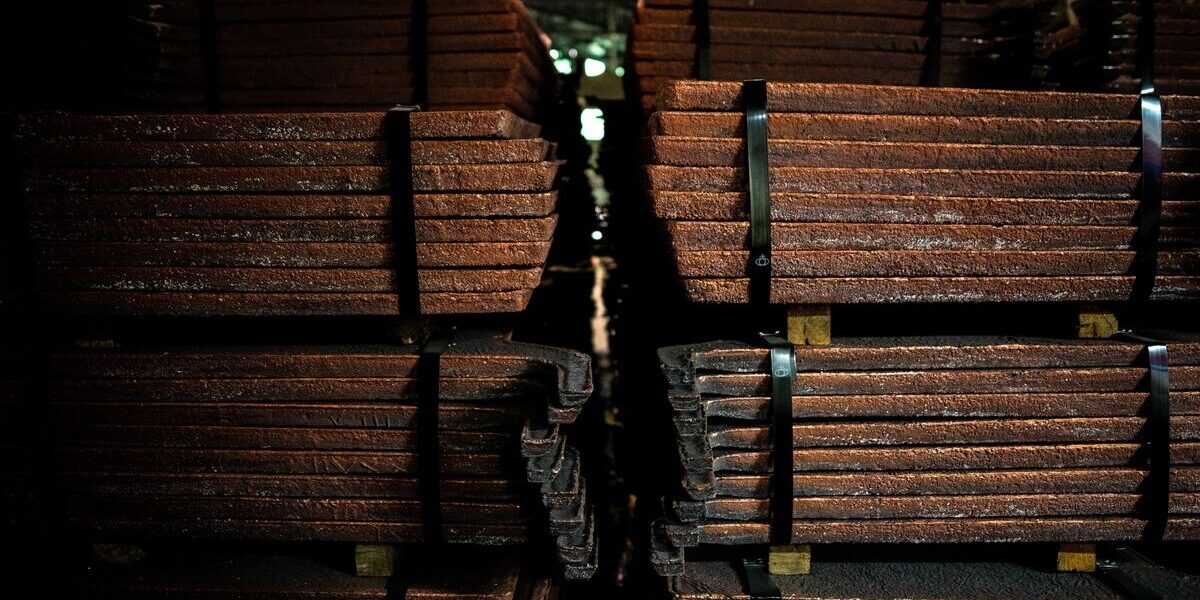
The Democratic Republic of the Congo has significantly increased its planned copper sales to the United States to 500,000 tonnes, marking a fivefold rise from the initial commitment announced in January.
The move signals the country’s growing ambition to strengthen its position in global critical mineral markets and secure greater control over revenues from its mining sector.
The agreement, led by state mining company Gécamines, is being implemented through a marketing partnership with commodity trading firm Mercuria Energy Group, with financial backing from the U.S. International Development Finance Corporation.
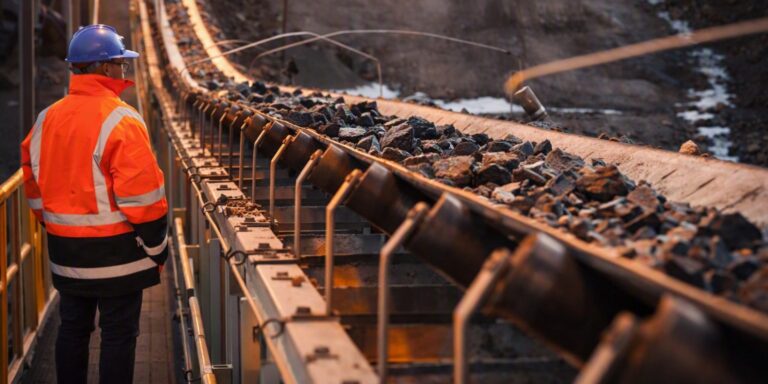
The initiative targets copper production derived from Gécamines’ minority stakes in major mining operations, including the Kamoto Copper Company and the Tenke Fungurume Mine, one of the world’s richest copper-cobalt deposits.
Shift Toward Greater Commercial Control
The expanded deal underscores the Democratic Republic of the Congo’s growing influence in global copper markets, while also intensifying competition between Western and Chinese companies seeking access to critical mineral supply chains.
Gécamines has been working to transform its passive shareholdings in large mining projects into physical copper volumes that it can market directly.
Its interests include stakes in operations managed by Glencore at Kamoto and Chinese-operated facilities at Tenke Fungurume.
While the partnership aims to improve transparency and enhance state control, Mercuria currently remains the seller of record as Gécamines gradually develops its own trading and marketing capabilities.
Industry analysts note that building an independent trading arm will require substantial investment in financing, insurance, logistics, and risk management, as well as reliable access to global commodity markets.
Record Production and Rising Global Demand
The country’s copper production reached approximately 3.5 million tonnes in 2025, reinforcing its status as the world’s second-largest supplier after Chile.
This rapid growth has been driven by strong global demand linked to electric vehicles, renewable energy infrastructure, and the expansion of data centres sectors heavily dependent on copper and other critical minerals.
Strategic Reserve for Cobalt and Critical Minerals
In a parallel effort to strengthen its control over strategic resources, the government has established a national reserve for cobalt and other key minerals, placing oversight under the regulator Authority for the Regulation and Control of Strategic Mineral Substances’ Markets (ARECOMS).
The agency now has the authority to acquire, store, and market designated minerals, enabling the state to stockpile unused export quotas and intervene more directly in global commodity markets.
The reserve will initially include cobalt and germanium and may later be expanded to cover additional strategic minerals.
Officials say the initiative builds on earlier measures aimed at stabilizing cobalt prices, including a temporary export ban introduced last year and the subsequent implementation of export quotas.
According to ARECOMS, the reserve will allow the government to manage supply levels more effectively and protect national economic interests.
Tightening Supply to Influence Global Markets
The Democratic Republic of the Congo produces roughly 70 percent of the world’s cobalt, giving it significant leverage in global supply chains.
Recent policy measures have already reduced exports to manage oversupply. The country shipped about 48,800 tonnes of cobalt in the first quarter, compared with roughly 123,000 tonnes during the same period the previous year, when exporters accelerated shipments ahead of a temporary export suspension.
Under the current quota system, 10 percent of national cobalt exports are reserved for strategic use, equivalent to approximately 9,600 tonnes in 2026. Any unused export volumes may be transferred to the state reserve, providing an additional mechanism for influencing global supply.
Balancing Western and Chinese Influence
Chinese companies including CMOC Group Limited, Zijin Mining Group, and Zhejiang Huayou Cobalt Co., Ltd. currently dominate copper and cobalt production in the country, where the two metals are often mined together.
Western companies historically avoided large-scale investment due to concerns over conflict, governance challenges, and infrastructure constraints.
However, the government in Kinshasa is increasingly seeking to attract American and European investment to diversify partnerships and reduce reliance on Chinese operators.
In 2007, the government signed a major infrastructure-for-minerals agreement with Chinese firms that included tax incentives extending to 2040 in exchange for roughly $9 billion in promised investment, of which about $6 billion was ultimately delivered.
By early 2025, Chinese companies controlled an estimated 80 percent of the country’s mining output, highlighting their dominant position in the sector.
Western interest is now rising, with investment groups backed by U.S. development finance institutions exploring acquisitions in Congolese mining assets as part of broader efforts to secure reliable supplies of critical minerals.
Expanding State Participation in Copper Sales
The Congolese state holds a 30 percent stake in the Kamoto operation, and Gécamines is authorized to market up to half of the mine’s copper production in 2026 and 2027 to compensate for volumes it previously could not sell directly.
This arrangement could be extended beyond that period if market conditions and production levels remain favorable, reinforcing the government’s broader strategy to increase revenue, strengthen oversight, and expand its role in global mineral markets.
About the Author