Askari Metals Reports Strong Lithium, Tin, and Tantalum Results at Namibia’s Uis Project, Boosting Country’s Role in Global Critical Minerals Supply
Namibia, Africa’s largest uranium producer, is emerging as a new focal point for critical minerals development following promising exploration results from the Askari Metals at its wholly owned Uis Project.
Phase 1 trenching has confirmed extensive high-grade polymetallic mineralisation, reinforcing the project’s potential for future resource definition and commercial mining.
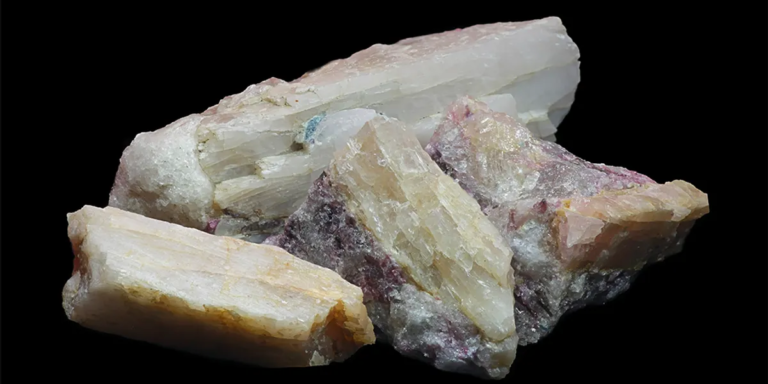
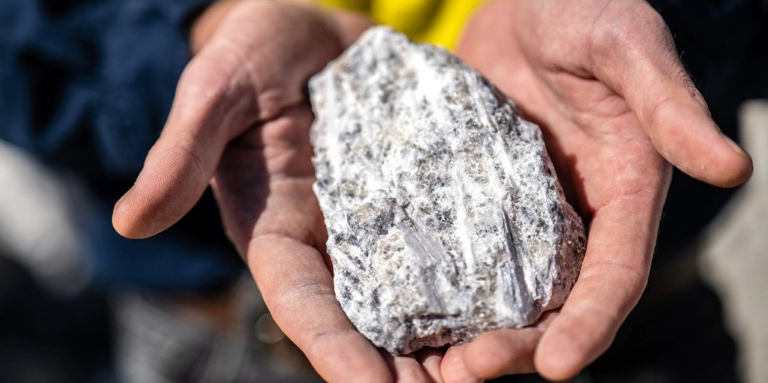
The results revealed strong concentrations of tin, lithium, tantalum, and rubidium along a 2.2-kilometre pegmatite trend minerals widely regarded as essential to modern industrial and technological applications.
These findings position the project as strategically significant within the rapidly expanding global market for critical minerals.
Tin is widely used in electronics manufacturing and industrial alloys, lithium is a key component in rechargeable batteries for electric vehicles and energy storage systems, tantalum is essential for capacitors in advanced electronic devices, and rubidium has specialized applications in high-precision electronics and atomic clock technologies.
Exploration trenching was conducted at approximately 40-metre intervals to guide a planned drilling campaign scheduled for the second half of 2026.
Peak assay results included 8,340 parts per million (ppm) of tin, 0.57 percent lithium oxide, 299 ppm tantalum, and 2,380 ppm rubidium.
Notably, the lithium grades exceeded commonly applied industry cut-off thresholds for spodumene-bearing pegmatites, indicating strong commercial potential.
The discovery strengthens Namibia’s prospects as a future supplier of critical materials supporting the global technology and green energy supply chain, underscoring both the strategic and economic importance of the development.
A Strategic Boost for Namibia’s Mining Sector
The discovery further positions Namibia as an emerging hub for critical minerals, complementing its established mining revenues from uranium, diamonds, and base metals.
Demand for minerals such as lithium and tantalum continues to rise globally, driven by the rapid expansion of renewable energy systems, electric vehicles, and advanced electronics manufacturing.
Successful development of the Uis Project could therefore generate substantial export revenues, attract foreign direct investment, and enhance Namibia’s strategic role within Africa’s evolving mining landscape.
With international tin prices currently hovering around US$46,000 per tonne, and recent peaks reaching approximately US$57,000 per tonne, the project has the potential to make a meaningful contribution to national mining revenues. It could also stimulate regional economic development by creating employment opportunities in an area already supported by established logistics infrastructure, including the Walvis Bay Port, one of southern Africa’s key deepwater export terminals.
Gino D’Anna, Executive Director of Askari Metals, emphasized the project’s logistical advantages, noting its proximity to the operating Uis Tin Mine and the presence of multiple untapped pegmatite targets in the surrounding area.
He stated that the Uis Project is developing into a significant strategic asset with strong long-term economic potential.
As Namibia continues efforts to diversify beyond traditional mineral exports, discoveries such as the Uis Project highlight the country’s growing capacity to capture a larger share of Africa’s critical minerals market an evolution with important implications for national revenue generation, industrial development, and integration into global supply chains.
About the Author