Ivanhoe Mines benefits from rising sulphuric acid prices in DRC copper belt as supply disruptions tighten global market
Ivanhoe Mines says it has a “captive market” for sulphuric acid in the Democratic Republic of Congo (DRC), as global prices surge amid constrained supply linked to geopolitical disruptions in the Middle East.
The Vancouver-based miner recently began commercial sales of sulphuric acid produced as a byproduct of copper smelting at its Kamoa-Kakula operation to other mining companies operating along the DRC’s copper belt.
The acid is a key input in copper processing, used in heap leaching to extract metal from ore.
Global supply constraints, particularly from the Middle East, have tightened availability and driven up prices, raising concerns of a broader shortage in international markets.
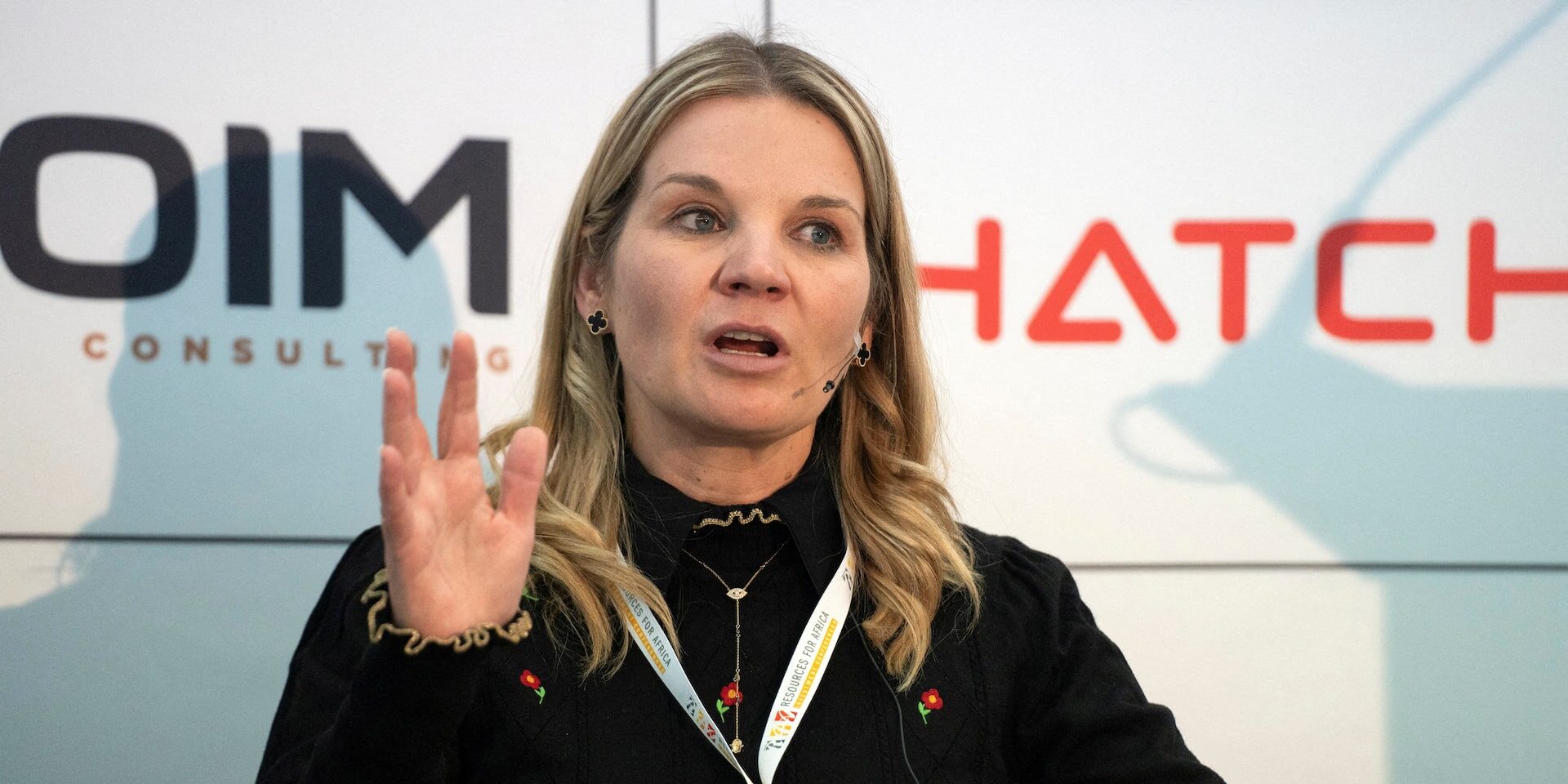
Ivanhoe Mines CEO Marna Cloete said the DRC represents a substantial and structurally strong market for the product, with domestic demand estimated at around 2 million metric tons per year.
She made the comments on the sidelines of a copper industry conference in Santiago.
The company produced just over 100,000 tonnes of sulphuric acid in the first quarter, supplying major regional mining operators including Glencore and Eurasian Resources Group.
Cloete said annual output is expected to rise to between 600,000 and 700,000 tonnes once the smelter reaches full capacity.
She added that local demand is more than sufficient to absorb future production, noting that export limitations on sulphur from neighbouring Zambia have constrained domestic acid production in the DRC, effectively strengthening reliance on Ivanhoe’s output.
“We’ve got a captive audience in terms of our distribution,” Cloete said.
Ivanhoe also reported that its Kamoa-Kakula smelter has reached about 60% of capacity, with further expansion currently limited by insufficient concentrate feed.
The company said its sulphuric acid sold for approximately $500 per tonne in the first quarter, with spot prices rising steadily over the same period due to tightening supply conditions.
About the Author