India-Zambia cobalt and copper mining talks stall as Lusaka delays mining rights assurances amid critical minerals push
Talks between India and Zambia over critical minerals exploration have stalled due to a lack of assurances from Lusaka regarding future mining rights, according to two sources familiar with the discussions.
Last year, Zambia allocated approximately 9,000 square kilometres to India for the exploration of cobalt and copper key minerals used in electric vehicle batteries, electronics, power generation, and construction.
Cobalt is particularly important for battery technologies, while copper remains essential for industrial infrastructure and energy systems.
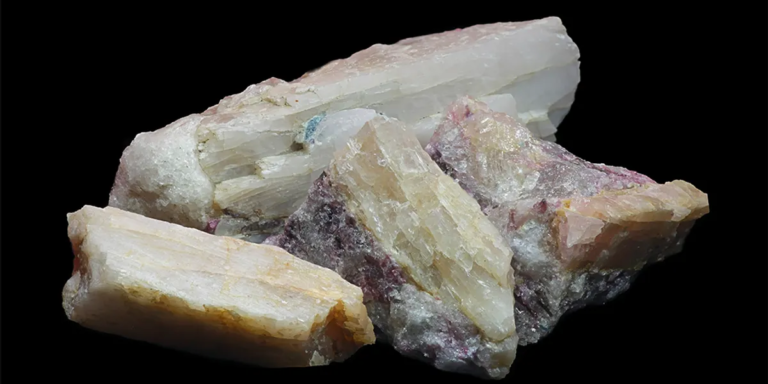
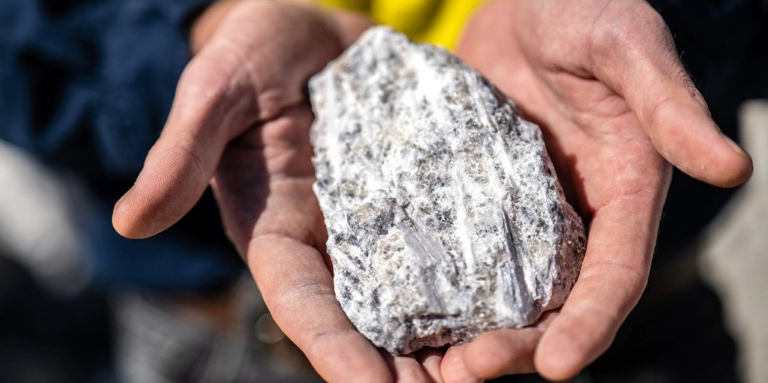
An Indian team of geologists conducted exploratory work under the programme and has since returned with mineral samples, including cobalt and copper.
The exploration initiative was originally structured as a three-year programme, after which India planned to open participation to private sector firms, contingent on securing mining rights.
However, it remains unclear why Zambia has not yet provided formal assurances regarding those rights, leading to a pause in progress.
One source said New Delhi is continuing efforts to revive negotiations, although the situation remains uncertain.
The sources declined to be named as the discussions are not public, while India’s Ministry of Mines did not respond to requests for comment.
India has been actively pursuing government-to-government agreements with several African nations to secure access to critical mineral resources, while also expanding engagement in regions such as Australia and Latin America.
The push is part of a broader strategy to reduce vulnerability in key supply chains. India has expressed concern over tightening global copper markets and has been exploring long-term supply arrangements through diplomatic and trade channels.
Copper imports into India have increased significantly since the 2018 shutdown of Vedanta’s Sterlite Copper smelter.
The country imported around 1.2 million metric tons of copper in the fiscal year ending March 2025, representing a 4% increase year-on-year.
India is also heavily dependent on imports for cobalt, with shipments of cobalt oxide rising by 20% in 2024/25 to 693 metric tons, according to government data, underscoring the strategic importance of securing stable overseas supply sources.
About the Author