DR Congo Targets Lithium Industrialization as Falling Prices and Global Supply Shifts Reshape the Battery Metals Market
On Wednesday, March 25, 2026, in Kinshasa, the Ministry of Mines launched a high-level round table dedicated to the development of the lithium sector, a strategic resource at the heart of the global energy transition.
The ceremony was presided over by Marcelin Paluku, representing the Minister of Mines, Louis Watum Kabamba.
Through this initiative, the government aims to position the Democratic Republic of the Congo as a credible and competitive player in an industry undergoing rapid technological and market transformation.
During the discussions, authorities emphasized three central priorities for the sector’s development: securing sustainable investments, strengthening governance and regulatory oversight, and ensuring that mining activities generate tangible and lasting benefits for local communities.
These priorities reflect a broader effort to respond to longstanding criticism of the extractive sector, which has often been accused of creating limited local value despite the country’s vast mineral wealth.
By reinforcing governance and community benefits, policymakers seek to improve transparency, social acceptance, and long-term economic returns.
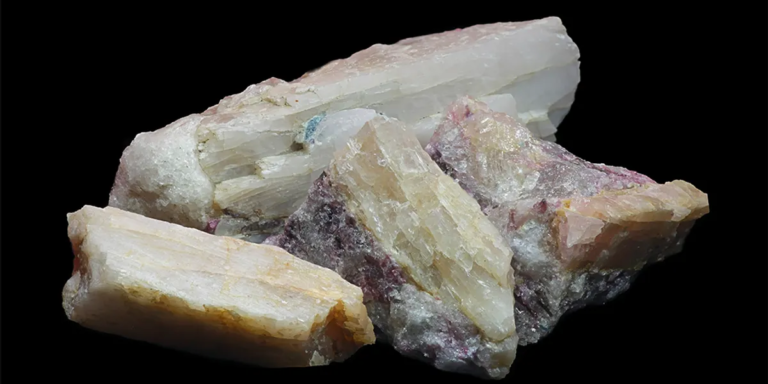
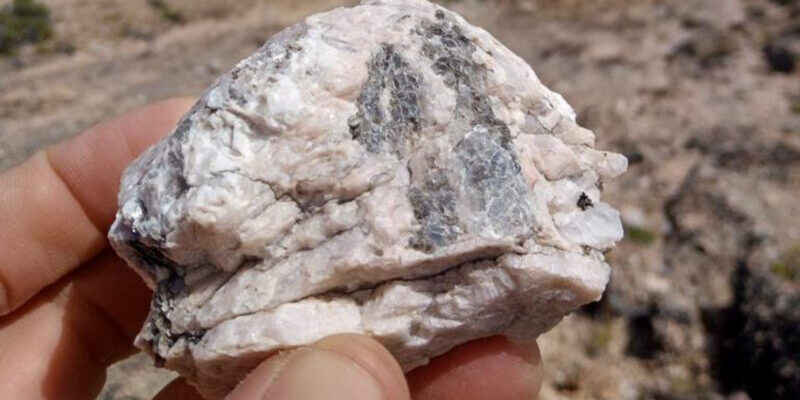
The Manono lithium deposit project remains at the center of these ambitions. Its significant reserves have attracted international attention and positioned it as one of Africa’s most promising lithium developments.
However, evolving global market conditions are forcing policymakers and investors to adopt a cautious and disciplined approach.
The lithium market has experienced a sharp correction in recent years, illustrating the volatility inherent in commodity cycles and the importance of strategic planning.
Market data compiled from industry sources shows a dramatic decline in lithium carbonate prices, which fell from approximately $81,360 per ton in November 2022 to $20,782 in February 2024, before dropping below $11,000 in September 2025 and falling under $10,000 in March 2026.
This sustained price decline reflects a growing imbalance between global supply and demand.
According to data from the International Energy Agency, global lithium production reached 194,000 tonnes in 2023, representing an increase of 81 percent compared to 2021, while demand rose by 63 percent, reaching 165,000 tonnes.
The resulting surplus led to rising inventories, further exacerbated by slower-than-expected growth in electric vehicle sales worldwide.
In its report Global Critical Minerals Outlook 2025, published on May 21, 2025, the same institution indicated that approximately 30 percent of new global lithium supply in 2024 would originate from Africa.
This trend highlights the continent’s growing strategic importance in the global energy transition.
African production increased significantly, rising from 6 percent to 11 percent of global lithium output within a single year, demonstrating the rapid emergence of new mining projects across the region.
Despite this progress, major structural challenges continue to constrain the development of a competitive lithium industry in Africa and particularly in the Democratic Republic of the Congo.
Limited industrialization capacity remains a central obstacle, as many countries continue to export raw minerals rather than processed materials with higher added value.
At the same time, the prolonged decline in global lithium prices is placing additional pressure on project economics.
According to market intelligence from Fastmarkets, the price of spodumene fell by more than 80 percent between March 2023 and March 2024, and has continued to decline since then.
This downturn is already affecting the financial viability of several mining projects under development across the continent.
In response to these market realities, the government in Kinshasa is increasingly prioritizing industrialization as the cornerstone of its long-term mining strategy.
In a weaker price environment, exporting raw lithium becomes less profitable and exposes the country to greater financial risk.
By developing domestic processing capacity through refining, battery component manufacturing, and gradual integration into global value chains the country could capture a larger share of the economic value generated by its mineral resources.
This approach reflects lessons learned from the cobalt sector, where the country remains largely positioned at the upstream stage of production despite being the world’s leading producer.
However, the transition toward industrialization will require significant improvements in infrastructure, energy supply, and regulatory stability.
Reliable electricity remains a critical requirement for mineral processing, while transport networks and logistics systems must be upgraded to support large-scale industrial operations. In addition, a predictable and transparent regulatory framework will be essential for attracting long-term investors willing to commit capital to complex industrial projects.
The lithium sector also carries important geopolitical implications. According to data from the Dubai Multi Commodities Centre, China currently controls more than 60 percent of global lithium refining capacity, giving it significant influence over the global battery supply chain.
This concentration of processing capacity is prompting Western economies to diversify their sources of supply and strengthen partnerships with emerging producers.
In this evolving geopolitical landscape, the Democratic Republic of the Congo is increasingly viewed as a strategic partner.
Already the world’s largest producer of cobalt, the country possesses the geological potential to expand its role in supplying critical minerals essential to the global transition toward clean energy technologies.
The round table, organized with the support of Resource Matters, aims to structure this ambition by building investor confidence, mobilizing financing, and laying the foundations for an integrated and competitive lithium industry.
Ultimately, lithium represents a significant economic opportunity for the Democratic Republic of the Congo, but its long-term success will depend less on extraction volumes than on the country’s ability to develop a diversified industrial ecosystem around this resource.
With mineral reserves estimated at nearly 25 trillion dollars, the central challenge facing policymakers is clear: transforming natural resource wealth into sustainable economic growth, industrial development, and shared prosperity.
About the Author