Global Demand for Copper Accelerates Zambia’s Mining Growth as U.S., China and Other Powers Compete for Supply
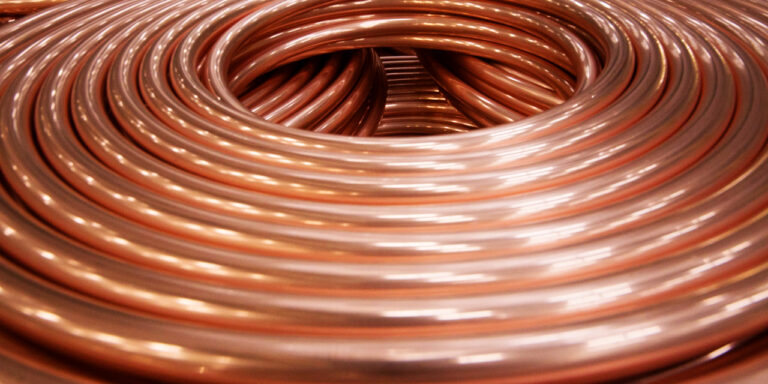
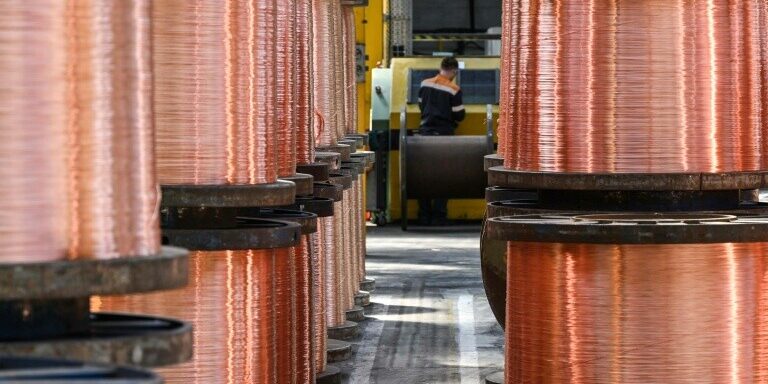
Rising global demand from the artificial intelligence, renewable energy, electric vehicle and defense industries has intensified competition for copper, a critical metal used in power grids, data centers and clean energy technologies.
The surge in demand has heightened geopolitical interest in copper-producing countries, including Zambia. Major economies such as China, the United States, Canada, European nations, India and Gulf states are seeking to secure stable access to copper supplies.
At the African Mining Indaba conference in Cape Town, President Hakainde Hichilema stated that more than $12 billion has been invested in Zambia’s mining sector since 2022.
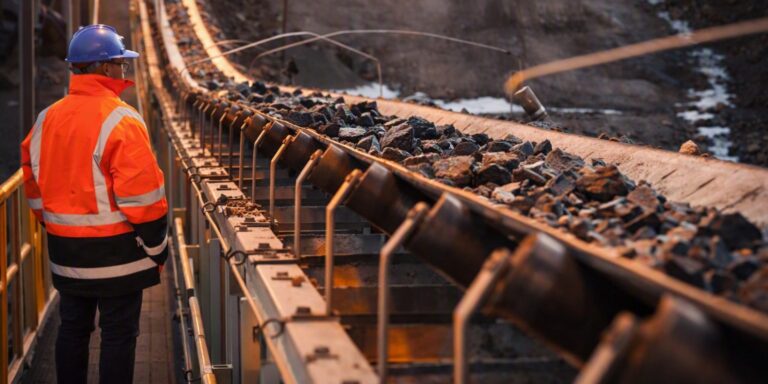
Zambia is Africa’s second largest copper producer after the Democratic Republic of Congo and ranks among the world’s top ten producers, according to international geological data.
Copper accounts for approximately 15 percent of Zambia’s gross domestic product and more than 70 percent of export earnings.
In 2024, output increased by about eight percent to more than 890,000 metric tons. The government has set a target of tripling annual production within the next decade.
Economic growth projections reflect the sector’s momentum. The International Monetary Fund forecasts Zambia’s growth at above five percent in the near term, positioning it among faster-growing economies in sub-Saharan Africa.
The government has also announced plans for a nationwide geological survey to identify new mineral deposits.
Expanding International Participation
Chinese companies have maintained a significant presence in Zambia’s copper industry for many years, holding major stakes in several mines and smelters.
Canadian mining company First Quantum Minerals is one of the country’s largest taxpayers and a key operator in the sector.
Investors from India and Gulf states are increasing their participation, while the United States has signaled renewed interest in critical minerals supply chains.
The U.S. government has announced initiatives aimed at strengthening access to minerals considered essential for energy and technology sectors, including copper.
In 2024, the U.S. Trade and Development Agency awarded a grant to support expanded operations by Metalex Africa in Zambia.
Global copper prices have experienced periods of volatility amid trade policy shifts, stockpiling strategies and supply chain realignments, reflecting heightened strategic interest in the metal.
Governance and Environmental Considerations
Alongside investment growth, environmental management and community impact remain central issues. Copper mining, particularly in Zambia’s Copperbelt region, has historically raised concerns about pollution and waste management.
In early 2025, a tailings dam failure at a mine near Kitwe released acidic waste into a tributary connected to the Kafue River, a major water source.
The incident prompted legal action and renewed scrutiny of environmental safeguards in the sector.
Despite substantial mineral wealth, Zambia continues to face development challenges, including high poverty rates. Policymakers, industry participants and civil society organizations have emphasized the importance of governance, regulatory oversight and local value addition to ensure that mining revenues contribute to broad-based economic development.
As global demand for copper continues to grow, Zambia’s ability to balance investment, environmental stewardship and economic inclusion will play a critical role in shaping the long-term impact of the current mining expansion.
About the Author