Copper Supply Deficit to Hit 500,000 Tons in 2026, Driving Prices to New Highs, Mercuria Warns
A tightening squeeze in global copper markets is expected to intensify next year, driving prices for both copper concentrate and refined metal to new highs, according to Mercuria’s head of metals research, Nicholas Snowdon.
Snowdon — a prominent copper bull at the Geneva-based commodity trading firm — said the global copper concentrate market will face a deficit of roughly 500,000 tons in 2026, mirroring the shortfall anticipated for 2025. Concentrate is the raw material processed by smelters to produce refined copper, and supply growth remains limited.
The revised deficit outlook, improved from his May forecast of a 700,000-ton shortfall, reflects weak supply expansion and stronger demand from new smelters, particularly those outside China, Snowdon told attendees at the World Copper Conference Asia 2025 in Shanghai.
“This market has experienced a major supply shock this year, and that trend is set to continue into next year,” he said.
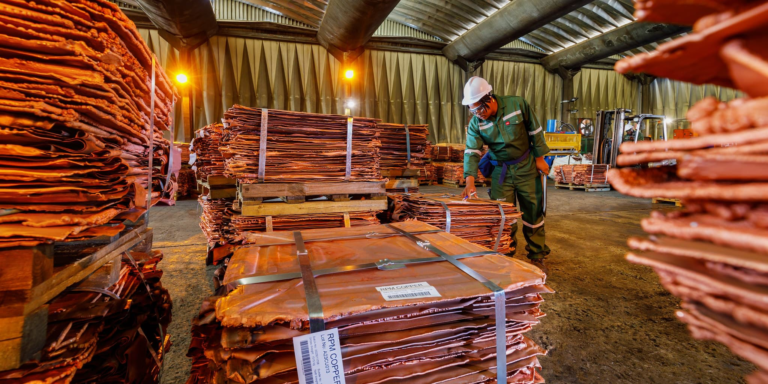
A surge in copper shipments to the United States ahead of incoming tariffs has also reshaped global inventories. Snowdon noted that the U.S. now holds about three-quarters of the world’s cathode stocks, a figure that could climb to 90% by early 2026.
He added that refined copper prices on the London Metal Exchange will likely need to rise to draw metal back into global circulation, as inventories remain critically low and vulnerable to disruption.
Despite the tightening in concentrate markets, Snowdon said the refined cathode market is currently in surplus, estimating an excess of 350,000 to 400,000 tons. This marks a sharp reversal from his May projection of a 300,000-ton deficit.
Mercuria is one of several major energy traders — including BGN and Gunvor — expanding aggressively into metals trading as the global shift toward low-carbon energy systems boosts demand for critical metals like copper.
Over the past year, Mercuria has invested nearly $2 billion in its metals business and traded approximately one million tons of refined metal along with 1.5 million tons of concentrate, Snowdon said.
About the Author