New US Tech for Lithium Extraction Could Undercut Africa’s Mining Exports and Redefine Global Supply Chains
African lithium producers may soon face stiff competition as the United States accelerates investment in next-generation lithium extraction technologies that could bypass traditional mining altogether.
Lilac Solutions, a clean-tech startup based in Oakland, California, is pioneering a method to extract lithium from briny sources—such as oilfield wastewater and salt lakes—using ion-exchange technology rather than conventional hard-rock mining.
In a recent announcement, the company revealed that it had successfully completed a pilot project at Utah’s Great Salt Lake, achieving 87% lithium recovery and 99.97% impurity rejection, surpassing its design goals.
The upcoming commercial-scale facility aims to produce 5,000 tonnes of lithium carbonate equivalent per year, effectively doubling current U.S. lithium output.
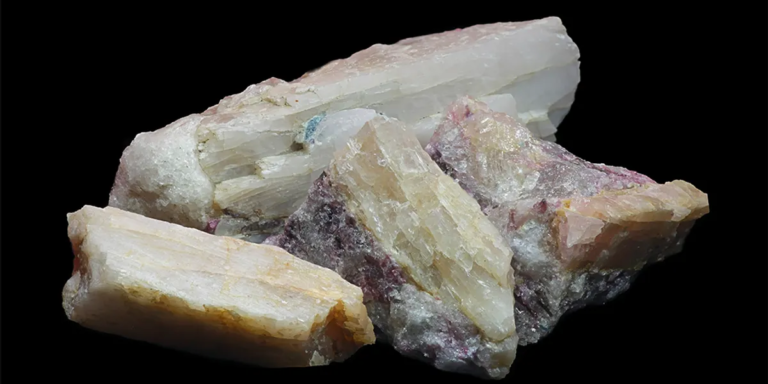
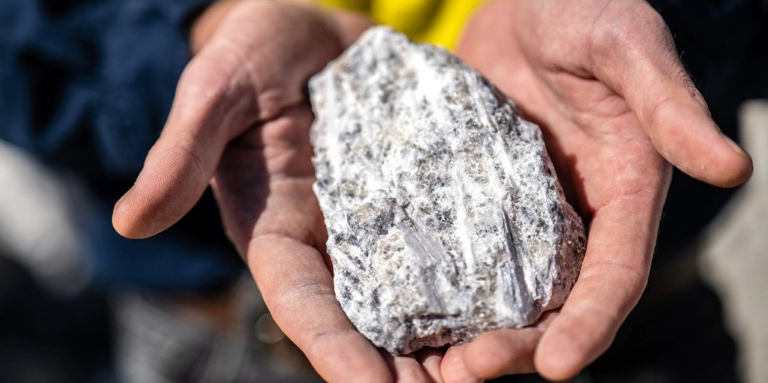
If scaled successfully, Lilac’s approach could transform the global lithium market, reducing the world’s reliance on mined spodumene and potentially displacing Africa’s export-driven producers.
A New Era for “White Gold”
Often called the “white gold” of the energy transition, lithium is a cornerstone of modern technology. It powers electric vehicles (EVs), smartphones, and renewable energy storage systems, making it vital to the world’s shift toward low-carbon, sustainable energy.
Lilac Solutions is reportedly raising $250 million to build its first full-scale commercial operations in Nevada and Utah by 2028. The company claims its ion-exchange technology can recover over 90% of lithium from brine while cutting infrastructure costs in half. This process offers key advantages:
Lower capital and environmental costs
Shorter construction timelines
Proximity to major end markets
The U.S. federal government is also supporting domestic lithium initiatives through direct investments and strategic incentives, aligning with efforts to reduce dependence on Chinese-controlled supply chains.
If Lilac’s model proves commercially viable, the United States could shift from lithium importer to major global supplier, reshaping supply chains and undercutting Africa’s traditional mining-led advantage.
Africa’s Lithium Exporters at a Crossroads
Zimbabwe, Africa’s top lithium producer, exported 586,197 tonnes of spodumene concentrate in the first half of 2025, up from 451,824 tonnes in the same period a year earlier.
The mineral—used to produce lithium carbonate and hydroxide—is crucial for EV batteries and energy storage systems.
The country plans to ban raw lithium concentrate exports by 2027 to promote domestic refining and value addition. Yet, despite rising export volumes, most African producers continue to rely on selling unprocessed or semi-processed lithium, largely to Chinese refiners.
The continent currently holds about 6% of global lithium reserves, concentrated in Zimbabwe, the Democratic Republic of Congo, Mali, Ghana, and Namibia. In 2024, Zimbabwe alone earned a record $600 million from lithium exports—revenues that could be threatened if new extraction technologies reduce global demand for mined spodumene.
Technological Disruption and the Future of African Lithium
Experts warn that direct lithium extraction (DLE) methods like Lilac’s could trigger a seismic shift in lithium geopolitics. Countries that rely heavily on mineral exports may find themselves at a disadvantage as cleaner, faster, and cheaper extraction techniques become mainstream.
For Africa, the message is clear: the window of opportunity is narrowing. Without significant investment in refining, processing, and battery manufacturing, the continent risks being left behind in the next phase of the global energy transition.
To remain competitive, African governments and investors must move up the value chain, prioritizing innovation, local beneficiation, and technology partnerships that can ensure long-term participation in the clean energy economy.
The rise of Lilac Solutions and other U.S. innovators could redefine global lithium production, shifting power away from traditional mining regions toward technologically advanced economies.
For Africa’s lithium-rich nations, this development is both a warning and an opportunity—adapt quickly or risk losing their place in the global clean-energy supply chain.
About the Author