Kenya Auto Industry Surges in 2025: Vehicle Assembly Growth Fueled by Government Incentives and Foreign Investment
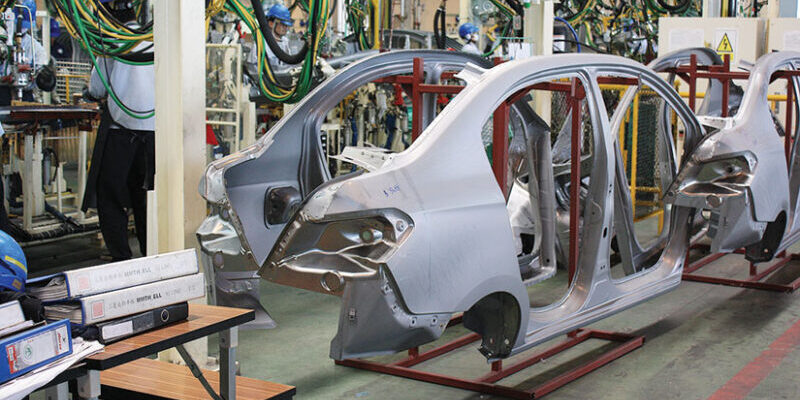
Kenya’s automobile sector is accelerating rapidly, emerging as one of Africa’s most dynamic vehicle markets. The industry’s performance in the first half of 2025 reflects a remarkable turnaround compared to the past two years.
According to industry data, 6,723 vehicle units were assembled in Kenya during H1 2025, a 16.4% increase from 5,778 units in the same period in 2024. For comparison, H1 2022 and 2023 recorded 7,450 and 6,682 units, respectively.
Monthly figures during the review period show steady momentum: after reaching 1,135 units in March, assembly dipped slightly to 1,014 in April, rebounded to 1,256 in May, and reached 1,080 in June.
Government Incentives Driving Growth
The sector’s resurgence is largely attributed to government incentives, including tariff exemptions for imported parts, designed to attract foreign investment. These policies have already yielded results, as Japan recently pledged up to 25 billion yen ($169 million) in Samurai financing to support Kenya’s vehicle assembly and energy sectors.
The agreement was spearheaded by Kenya’s Foreign Affairs Minister Musalia Mudavadi and Nippon Export and Investment Insurance (NEXI) CEO Atsuo Kuroda. “This facility will strengthen our local vehicle assembly and parts manufacturing industry while also addressing electricity transmission and distribution losses, currently standing at about 23% of our national output,” Mudavadi said in a post on X.
Industry Projects and Investments
Several major assembly projects are underway in Kenya:
AVA Mombasa and CFAO Motors plan to start local production of the Toyota Fortuner, targeting 350 vehicles in the first year and creating 600 jobs.
Kenya Vehicle Manufacturers in Thika has resumed local assembly of Volkswagen models, including the Touareg and Tiguan, emphasizing green mobility and technology transfer.
MojaEV and Spiro have announced new electric vehicle (EV) assembly lines, with MojaEV aiming for 1,500 vehicles annually and Spiro planning to establish two factories by 2025.
The combination of government policy, foreign investment, and industry innovation positions Kenya as a leading automotive hub in Africa, signaling strong growth potential for the coming years.
About the Author