U.S. Energy Department Plans $1 Billion Funding to Strengthen Domestic Critical Minerals and EV Battery Production
The Trump administration has proposed nearly $1 billion in funding to accelerate the development of U.S. critical minerals and materials, which are essential for electric vehicle batteries, semiconductors, and other advanced technologies, the Energy Department announced Wednesday.
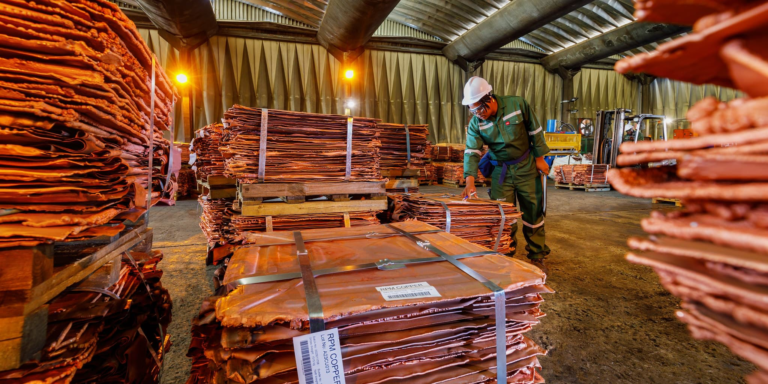
The funding aims to expand and scale up mining, processing, and manufacturing technologies in critical minerals and materials supply chains—industries that have long been dominated by China and other foreign competitors.
“For too long, the United States has relied on foreign actors to supply and process the critical materials that are essential to modern life and our national security,” said Energy Secretary Chris Wright.
The initiative aligns with President Donald Trump’s executive order on maximizing domestic energy development.
The department’s Office of Manufacturing and Energy Supply Chains (MESC) plans to allocate:
Up to $500 million to expand U.S. processing of critical minerals, battery manufacturing, and battery recycling.
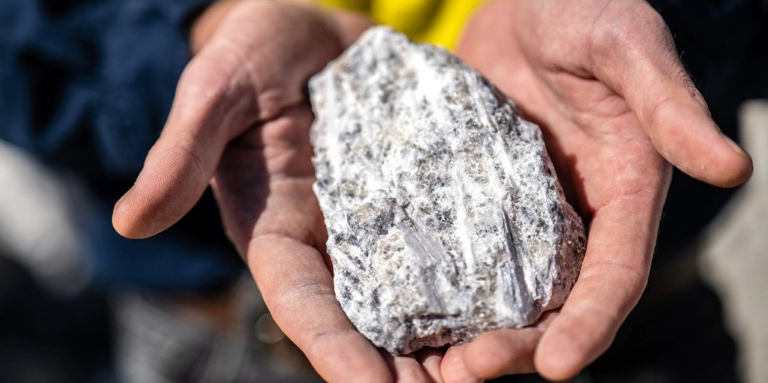
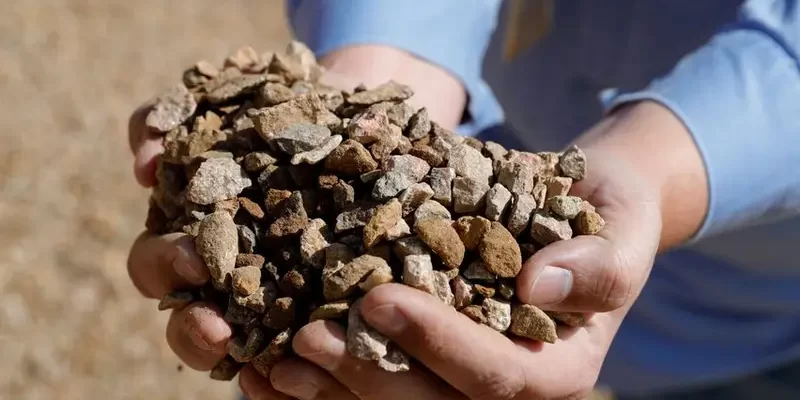
Up to $135 million to support the domestic rare earth element supply chain by demonstrating commercially viable methods to recover and refine minerals from mining tailings.
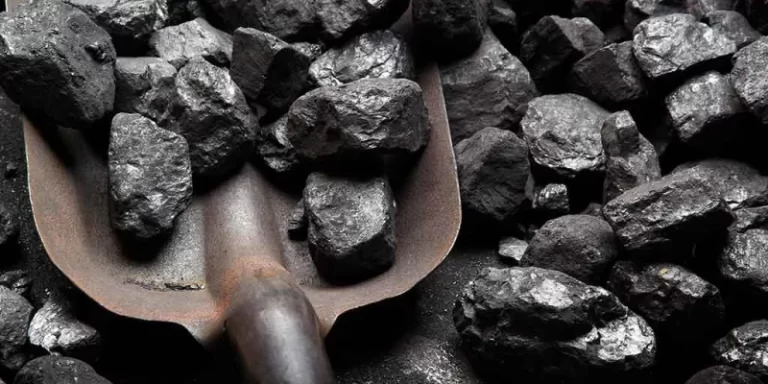
Additionally, the Office of Fossil Energy and Carbon Management intends to offer about $250 million to plants—including coal facilities—with the potential to produce mineral byproducts from industrial processes.
Other funding initiatives include up to $50 million to support the rare earth magnet supply chain, focusing on refining and alloying materials such as gallium, germanium, and silicon carbide for semiconductor production.
This multi-pronged effort seeks to strengthen U.S. manufacturing resilience, reduce reliance on foreign sources, and secure a stable domestic supply of materials critical to advanced technologies.
About the Author