Zimbabwe explores China-linked resource-backed loans to fund roads and rail using lithium export revenues
Zimbabwe is planning to finance major infrastructure projects using future revenues from its fast-growing lithium sector, in a move that could expand China’s role in Africa’s critical minerals and infrastructure development landscape.
Finance Minister Mthuli Ncube said the government is in discussions with China Railway Group on resource-backed financing arrangements that would link mineral revenues to the development of roads and rail networks.
The model would allow infrastructure to be funded upfront and repaid using future income from natural resources, including toll revenues and mineral export earnings.
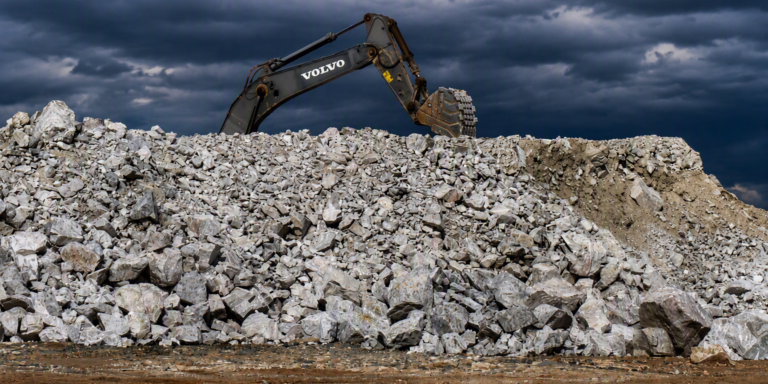
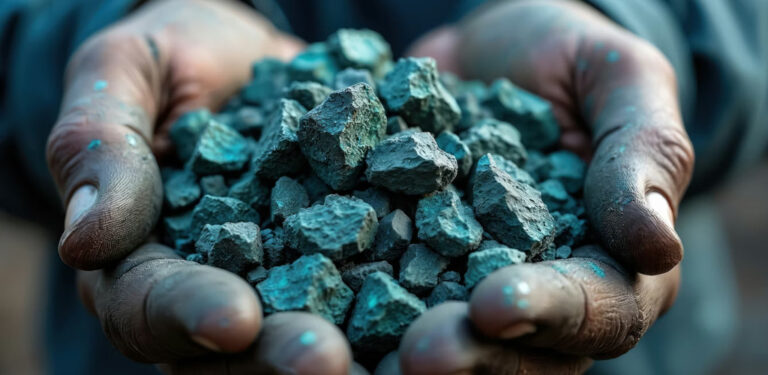
Zimbabwe is Africa’s largest producer of lithium-bearing spodumene concentrate and exported about 1.13 million metric tons to China in 2025, accounting for roughly 15% of China’s imports.
Lithium is a key material for electric vehicle batteries and energy storage systems, making Zimbabwe increasingly important in global supply chains.
Chinese investment in Zimbabwe’s lithium sector has surpassed $2 billion since 2021, with major companies including Zhejiang Huayou Cobalt, Sinomine Resource Group, Chengxin Lithium Group and Yahua Group.
The push for infrastructure financing comes as Zimbabwe faces an estimated $34 billion gap in transport and logistics infrastructure, with its rail network in particular suffering from years of underinvestment and limiting mining efficiency and export capacity.
Resource-backed financing models have been used elsewhere in Africa, including Angola and the Democratic Republic of Congo, to link natural resource revenues to infrastructure development.
While such deals can accelerate project delivery, they also raise concerns about debt exposure and transparency.
At the same time, Zimbabwe is tightening control over its lithium value chain. The government plans to ban exports of unprocessed lithium concentrate from January 2027 to encourage domestic processing, though most large-scale refining capacity is still under development.
The strategy reflects Zimbabwe’s attempt to use its lithium boom to fund infrastructure while building more local value from mineral exports.
However, success will depend on investment execution, commodity prices, energy supply and the pace of industrial development.
About the Author