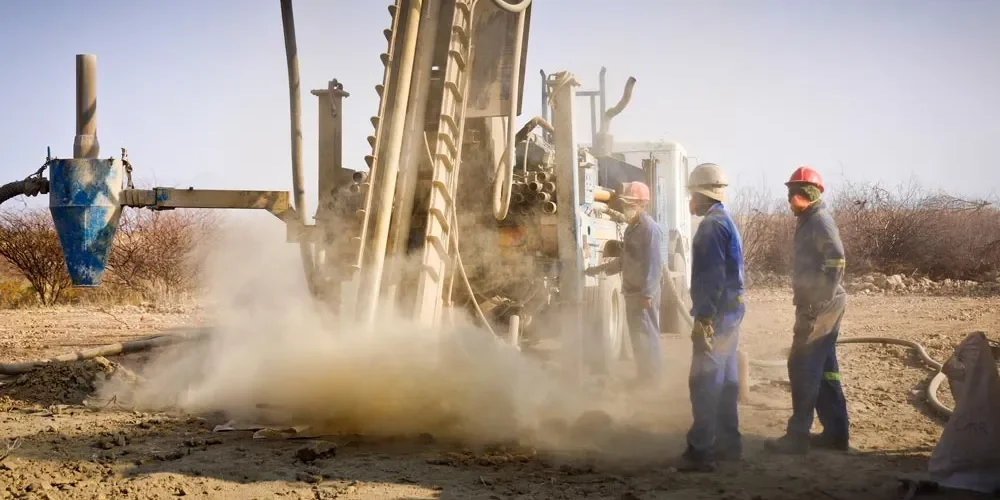
Namibia Critical Metals starts 13,000m drilling campaign at Lofdal rare earths project to expand resources and test underground potential
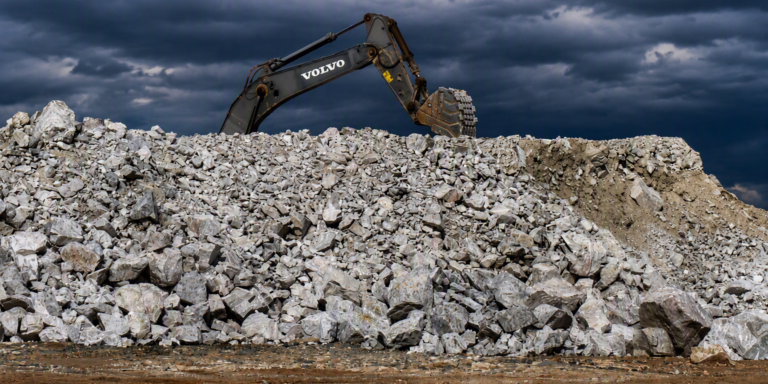
Namibia Critical Metals has commenced a major drilling programme at its Lofdal heavy rare earths project in Namibia, marking a key step in advancing the project’s resource base and long-term development potential.
The programme began on June 3 and will focus on resource expansion, infill drilling, and testing deeper extensions of existing deposits.
A key objective of the campaign is to establish a maiden resource for the 1.5-kilometre-long xenotime mineralised system at Area 5, located between the currently planned Area 4 and Area 2B pits.
The company believes this zone has strong potential to become a significant additional resource within the broader Lofdal project.
In addition, the drilling programme will test a deep extension of the Area 4 deposit, targeting depths of up to 800 metres.
This work is aimed at assessing the potential for future underground mining, which could materially extend mine life and increase overall production capacity.
The company also plans to increase the proportion of measured and indicated resources at both Area 4 and Area 2B through infill drilling.
Namibia Critical Metals president Darrin Campbell said the programme could have a meaningful impact on the project’s scale and development outlook.
He noted that expanding Area 4 to depth presents the most significant opportunity for extending mine life or increasing throughput, adding that underground mining specialists are already evaluating potential expansion scenarios.
The 2026 drilling campaign includes approximately 83 reverse circulation drill holes over a five-month period, targeting around 13,000 metres of total drilling.
Two drill rigs will be used to carry out both resource definition and extension drilling across the project area.
The programme also includes 5,670 metres of systematic drilling along the Area 5 mineralised corridor, aimed at better defining continuity and supporting future resource estimates.
Core drilling will be used specifically to test the deeper extension of Area 4, with expected intercepts at approximately 800 metres below surface.
Alongside the technical programme, the company has also engaged with key stakeholders.
Senior representatives from Japan Organization for Metals and Energy Security and Toyota Tsusho recently visited the Lofdal project site, alongside meetings with Namibian government officials and local communities to provide project updates and strengthen stakeholder relationships.
With this expanded drilling campaign underway, Namibia Critical Metals is seeking to significantly enhance the scale and development potential of the Lofdal project as global demand for heavy rare earth elements continues to grow.
About the Author