DRC’s Manono Lithium Deposit Faces Transparency and Governance Concerns Amid $2 Billion Mining Push
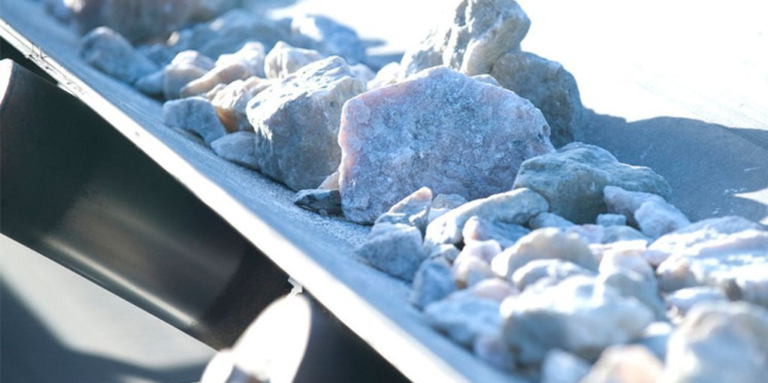
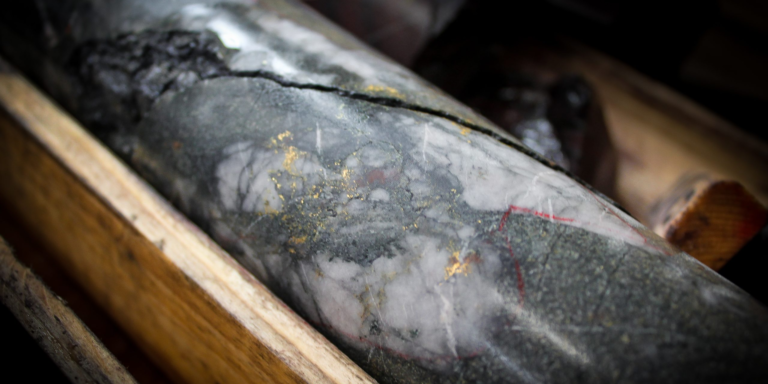
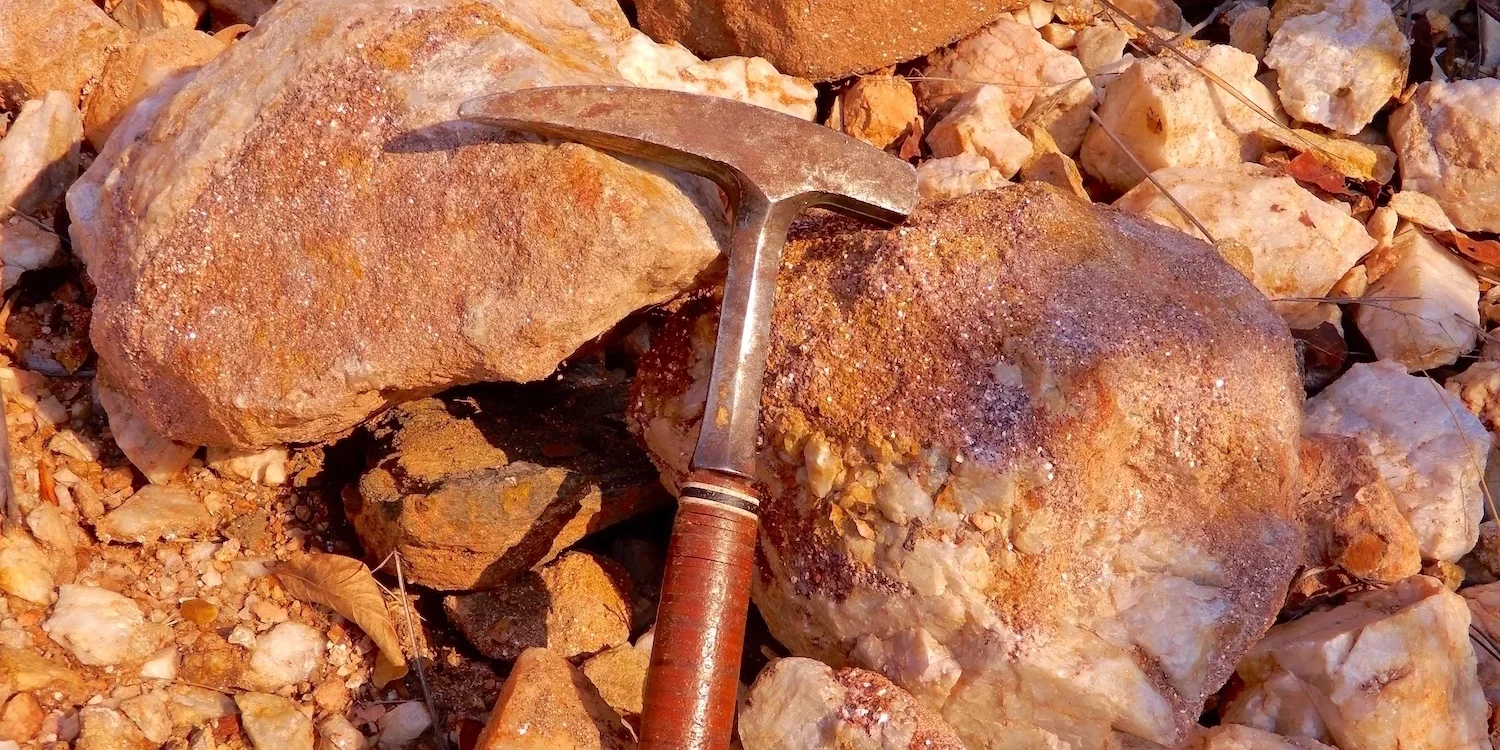
Located in Tanganyika Province, the Manono site hosts one of the world’s largest untapped hard-rock lithium deposits.
As global demand for lithium continues to rise due to its critical role in battery manufacturing and the energy transition, the Democratic Republic of Congo (DRC) has emerged as a strategically important player in the international minerals market.
However, despite growing investment interest in the Manono project, persistent concerns remain over governance, transparency, and the management of mining partnerships surrounding the deposit.
Over the past decade, several foreign companies have sought to secure exploration and development rights in partnership with the state-owned mining company Cominière.
These partnerships have frequently been marked by abrupt changes in shareholding structures, prolonged legal disputes, and allegations related to opaque administrative practices.
One of the most notable disputes involves AVZ Minerals and Cominière over the southern section of the Manono deposit.
Questions have also been raised regarding the procedures used to allocate mining permits and the overall transparency of partnership agreements.
According to Resource Matters, if commercial exploitation begins under proper governance conditions, the DRC could become a major global supplier of lithium a mineral considered essential for the clean energy transition.
“If commercial exploitation were to begin, the Democratic Republic of Congo could position itself at the forefront of the global market for this critical mineral, essential for battery manufacturing and the global energy transition,” the organization stated.
However, the organization warned that significant governance risks continue to cloud the sector.
“Behind this strategic potential lie several areas of uncertainty that raise serious concerns about governance and transparency in the management of the various mining projects around Manono,” Resource Matters added.
The organization further noted that several warning signs should encourage increased vigilance from investors, governments, and oversight institutions.
“The objective is not to hinder investment, but to ensure that it takes place within a transparent and equitable framework that benefits local communities,” the organization stated.
Resource Matters also emphasized that the development of the Congolese lithium sector must avoid repeating historical patterns in which natural resources benefited only a small group of actors.
“The exploitation of lithium in Manono represents a historic opportunity for the DRC. But if it takes place in secrecy, it risks repeating the mistakes of the past, where natural resources enriched a few at the expense of the wider population,” the organization warned.
Nine Areas of Concern Raised by Resource Matters
Resource Matters identified several issues it believes require close scrutiny in the development of the Congolese lithium industry:
- The long-running dispute between AVZ Minerals and Cominière over the southern section of the Manono deposit;
- Possible irregularities in the transfer of state-owned shares in joint ventures;
- Difficulties in identifying the beneficial ownership of certain companies;
- Concerns regarding the role of some companies in the transfer of mining rights;
- Questions surrounding compliance with mining permit allocation procedures;
- The role of Cominière and its dealings with politically connected companies;
- Lack of transparency in the publication of joint venture agreements between Cominière and private firms;
- Alleged payments made to a politically connected NGO;
- Questions surrounding approximately $20 million reportedly missing from AVZ’s deposit account.
Stakeholders and Economic Impact
In May 2026, the DRC Minister of Mines met with executives from Manono Lithium SAS to assess progress on the lithium development project.
The joint venture, involving Cominière SA and the Congolese state, represents an estimated investment of nearly $2 billion, according to the Ministry of Mines.
Discussions reportedly focused on the construction of industrial infrastructure, transportation corridors, and the modernization of the port of Kalemie to support future mining operations.
Authorities say the project is already generating economic benefits for the region, with more than 1,200 direct jobs created and thousands of additional indirect employment opportunities expected.
Under the coordination of the Prime Minister and with support from the Presidency, the Congolese government says it remains committed to facilitating industrial investments linked to the country’s natural resource sector while ensuring broader national economic development.
About the Author