DRC Copper Export Ban Sends Prices Higher as Global Supply Concerns Intensify
The Democratic Republic of Congo’s decision to immediately ban exports of copper and cobalt concentrates has triggered a sharp reaction in global copper markets, highlighting how sensitive the metal has become to potential supply disruptions.
Copper prices on the London Metal Exchange surged following the announcement, with three-month copper reaching a six-month high of $14,369.50 per tonne, while the cash price climbed to a record $14,453.60 per tonne.
However, the market response was driven more by concerns over tightening global copper supplies than by the immediate impact of the DRC’s export restrictions.
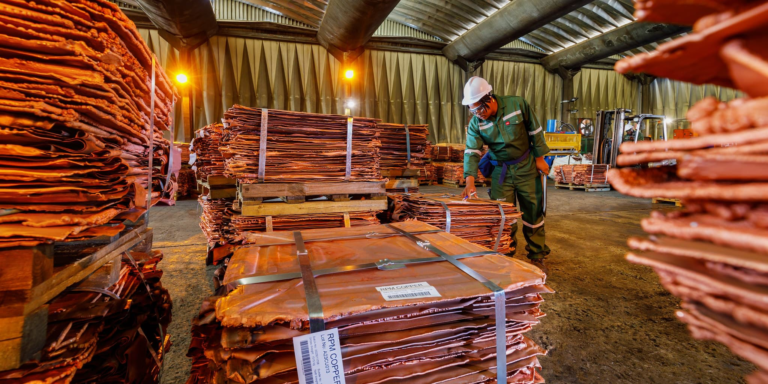
The country exports relatively limited volumes of copper concentrate, with most of its copper production already processed into refined metal.
The DRC has imposed similar restrictions in the past as part of its efforts to encourage domestic mineral processing and value addition.
Previous bans were softened by exemptions because the country lacked sufficient smelting capacity.
That situation is gradually changing. The Lualaba copper smelter, backed by Chinese investors, has expanded domestic processing capacity, while Ivanhoe Mines’ 500,000-tonne-per-year Kamoa-Kakula smelter has further increased the country’s ability to process copper locally.
China’s imports of copper concentrate from the DRC fell by 31% year-on-year during the first half of 2026, reflecting the country’s growing shift toward domestic processing.
Despite expectations that the latest ban will have limited impact on global copper balances, it comes at a time when the copper market is already under pressure.
Smelters are facing intense competition for concentrate, while processing fees have fallen sharply and, in some cases, turned negative.
Copper inventories on the LME have also declined significantly, adding to concerns about available supply.
The combination of falling inventories, strong demand and uncertainty over trade flows has made the market increasingly sensitive to any disruption.
For the DRC, the export ban represents another step in its long-term strategy to capture more value from its vast copper resources.
For global markets, however, the reaction demonstrates the growing importance of copper supply security as demand rises from electrification, renewable energy, infrastructure and other energy-transition technologies.
About the Author