US and China Deep-Sea Mining Push Could Reshape Africa’s Critical Minerals Investment
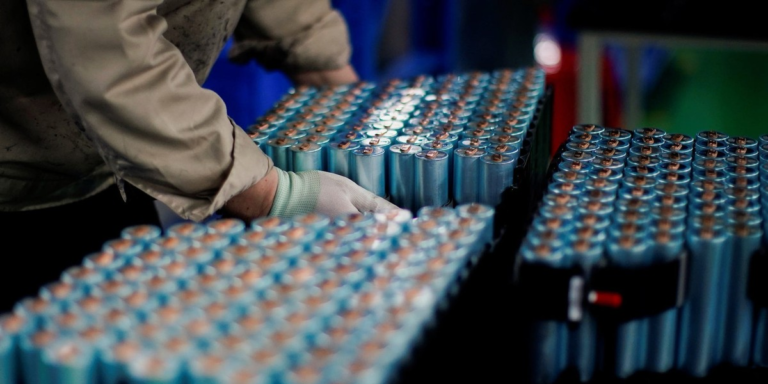
The United States and China are intensifying efforts to access critical minerals from the deep ocean, opening a new frontier in the global race for resources used in batteries, clean-energy technologies, electronics and defence.
Deep-seabed deposits are estimated to contain mineral resources potentially worth up to $16 trillion, including copper, cobalt, nickel, manganese, zinc, silver, gold and rare earth elements.
Key deposits include polymetallic nodules, polymetallic sulphides and ferromanganese crusts.
The growing focus on seabed resources comes as countries seek to diversify critical-mineral supply chains.
China has a strong position in the processing of several strategic minerals, while the United States is seeking additional sources of supply.
The US accelerated its deep-sea mining programme in 2025 after an executive order directed federal agencies to support faster access to seabed minerals.
Washington has since moved towards expanding permits and assessing potential mining areas in the Pacific.
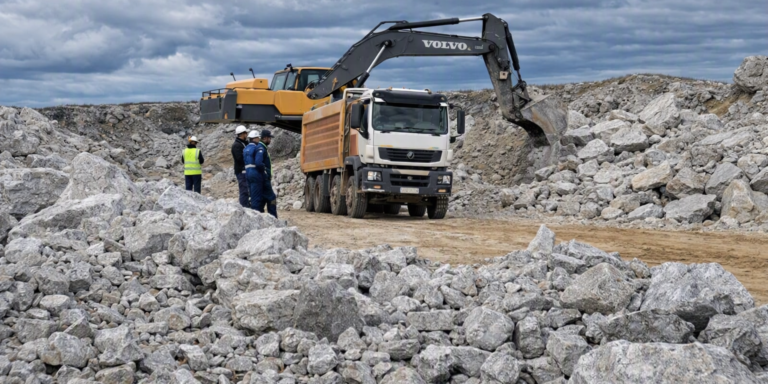
For Africa, the development presents both opportunities and challenges. The continent holds some of the world’s largest deposits of copper, cobalt, manganese, lithium and other minerals, attracting increasing investment in exploration and mining.
However, commercially viable deep-sea mining could introduce an alternative source of several of these minerals.
This could influence future investment decisions, particularly if seabed extraction becomes technologically and economically competitive with terrestrial mining.
Environmental considerations are also central to the debate. Deep-ocean ecosystems remain relatively poorly understood, and concerns have been raised about potential impacts on marine habitats and biodiversity.
Several African countries have recently supported calls for a precautionary pause or moratorium on deep-sea mining while scientific and regulatory frameworks develop.
The emerging industry is also facing regulatory questions. International seabed activities in areas beyond national jurisdiction fall within the framework overseen by the International Seabed Authority, while countries have different approaches to activities within their own maritime jurisdictions.
For African mineral producers, the development reinforces the importance of improving the competitiveness of existing mineral projects. Efficient infrastructure, reliable energy, transparent regulations, local processing and investment in downstream industries could become increasingly important as global sources of critical minerals expand.
Deep-sea mining is still an emerging industry, and its commercial scale, costs and environmental impacts remain uncertain.
Nevertheless, growing investment by major economies indicates that seabed resources are becoming an increasingly important part of the global critical-minerals landscape.
For Africa, the development could create additional competition for mineral investment while also highlighting the value of accelerating exploration, processing and value addition across the continent’s substantial terrestrial mineral resources.
About the Author