South Africa’s Tshipi Mine Sells 3.5 Million Tonnes of Manganese Ore, Beating FY26 Target
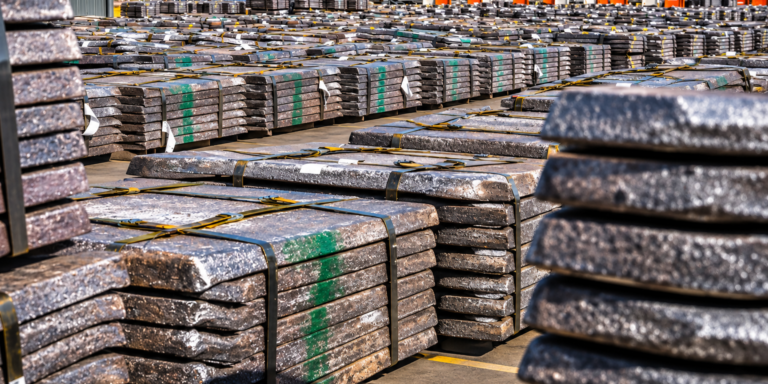
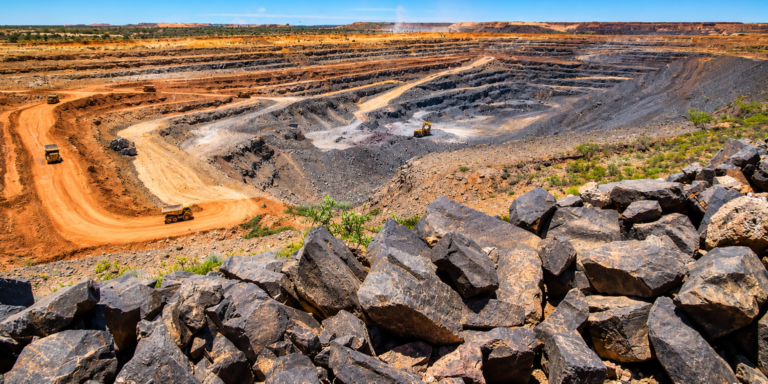
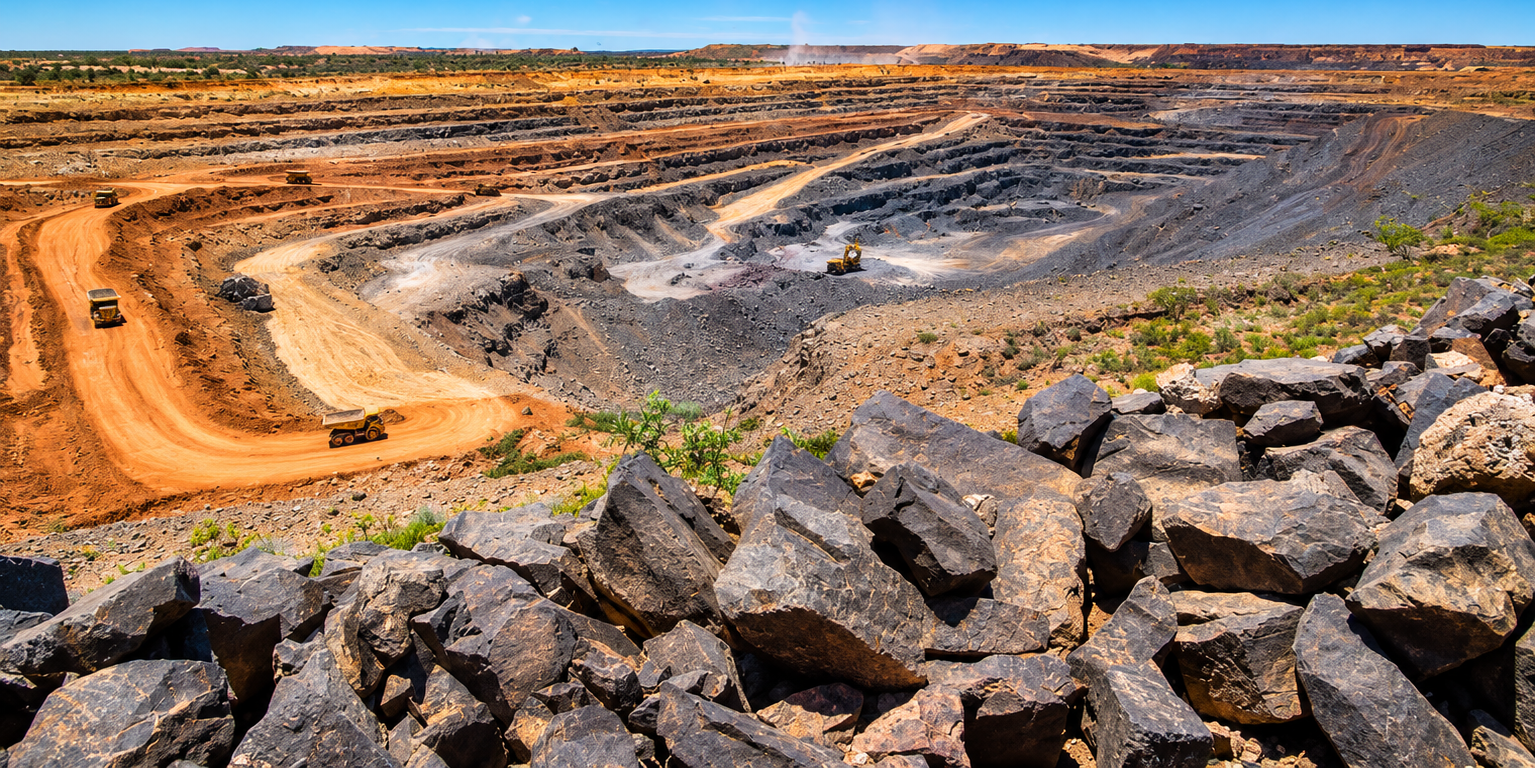
South Africa’s Tshipi Borwa mine sold 3.5 million tonnes of manganese ore in FY2026, exceeding its sales target and surpassing its seven-year annual average of about 3.4 million tonnes.
The open-pit mine in the Northern Cape’s Kalahari manganese field has its own processing plant and produces ore used primarily in steelmaking.
Speaking at Jupiter Mines’ annual general meeting in Perth on 26 November, chair Ian Murray said Tshipi’s mineral resource could support more than 100 years of mining.
Jupiter is reviewing the mine plan to determine the best long-term production rate. Any increase in output would depend on market demand and available transport capacity.
Ten-year Transnet agreement gives Tshipi more export certainty
Tshipi signed a 10-year manganese export capacity agreement with Transnet Freight Rail in September 2025.
Known as MECA3, the agreement replaces annual capacity allocations, giving Tshipi greater certainty over access to rail and port infrastructure.
Murray said Jupiter had also discussed expanding Tshipi’s use of the Port of KuGompo City, formerly East London, with representatives from the mine and Transnet.
Tshipi underpins Jupiter’s earnings and dividends
Jupiter reported FY2026 net profit after tax of A$37.7 million, down from A$39.9 million a year earlier.
Its share of Tshipi’s profit contributed A$37.3 million, while manganese ore marketing fees added A$9.3 million.
Jupiter declared dividends of 1.3 Australian cents per share for the year, including a final dividend of 0.75 cents.
The company has declared A$451 million in dividends since listing in 2018, equivalent to about 102% of its market capitalisation at the time of the meeting.
Exxaro Resources completed its acquisition of a 50.1% stake in Tshipi and a 19.99% stake in Jupiter in March 2026.
Murray said the investment would allow the two companies to explore growth and consolidation opportunities in the Kalahari manganese field.
Tshipi’s lost-time injury frequency rate fell to 0.12 from 0.25 the previous year, and the mine achieved a Level 1 Broad-Based Black Economic Empowerment rating.
About the Author