Copper Price Falls to US$13,981 as Rising LME Stocks Ease Supply Concerns
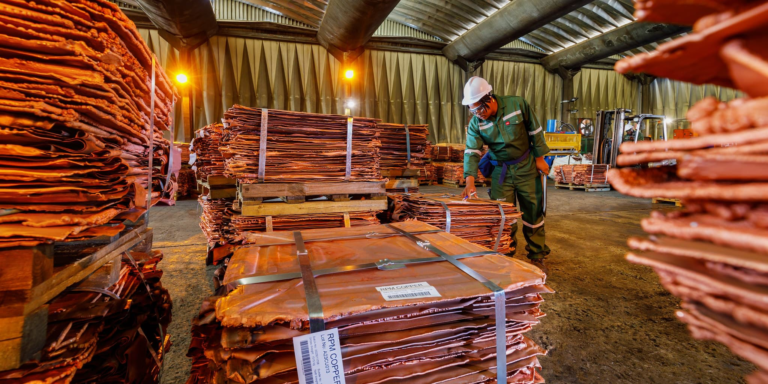
Copper prices came under renewed pressure on Thursday, with three-month copper on the London Metal Exchange (LME) falling 0.5% to US$13,981 per tonne as rising warehouse inventories eased concerns over near-term physical supply.
The decline followed a 0.5% gain the previous day and came as additional copper entered LME-approved warehouses.
However, a weaker US dollar helped limit the decline by making dollar-denominated commodities relatively cheaper for buyers using other currencies.
LME copper inventories have recovered rapidly after falling to 207,825 tonnes at the end of the previous week, of which only about 103,075 tonnes were readily available.
More than 38,000 tonnes of copper entered LME warehouses over three days, including deliveries in the United States and Hong Kong. By Wednesday, inventories had reached 235,975 tonnes, according to market data.
The increase in available metal has reduced pressure on traders holding short positions and eased the extreme tightness seen in the market earlier in the week.
The physical market had experienced an unusually strong squeeze, with the premium for cash copper over three-month delivery reaching US$545 per tonne on Monday, its highest level since 2021.
By Wednesday, the premium had narrowed to about US$176 per tonne, indicating that immediate supply conditions were beginning to improve.
The copper market has also been influenced by movements in the US dollar.
The dollar weakened following the US Treasury’s announcement that it would increase the size of certain long-term Treasury buyback operations.
A weaker dollar generally provides support to commodities priced in US dollars because they become less expensive for buyers using other currencies.
However, the Treasury’s move should not be interpreted as a change in Federal Reserve monetary policy.
The buybacks are primarily intended to improve liquidity in longer-term government bond markets.
Despite the recent correction, copper remains close to the US$14,000-per-tonne level, keeping the market at historically elevated levels.
The DRC produced approximately 3.485 million tonnes of copper in 2025 and exported about 3.403 million tonnes, according to the country’s mining statistics. Copper exports reached 823,887 tonnes in the first quarter of 2026, representing a 4.8% increase year-on-year.
Daily movements on the LME do not translate directly into changes in government revenue or mining-company earnings, as copper sales are based on different pricing periods, contracts and commercial formulas.
However, a sustained decline in average copper prices could affect export values, mining margins and government revenues from the sector.
For the DRC, market watchers will be closely monitoring the pace of new LME deliveries, changes in physical-market premiums and whether copper can sustainably remain around the US$14,000-per-tonne mark following the exceptional market volatility seen in August.
About the Author