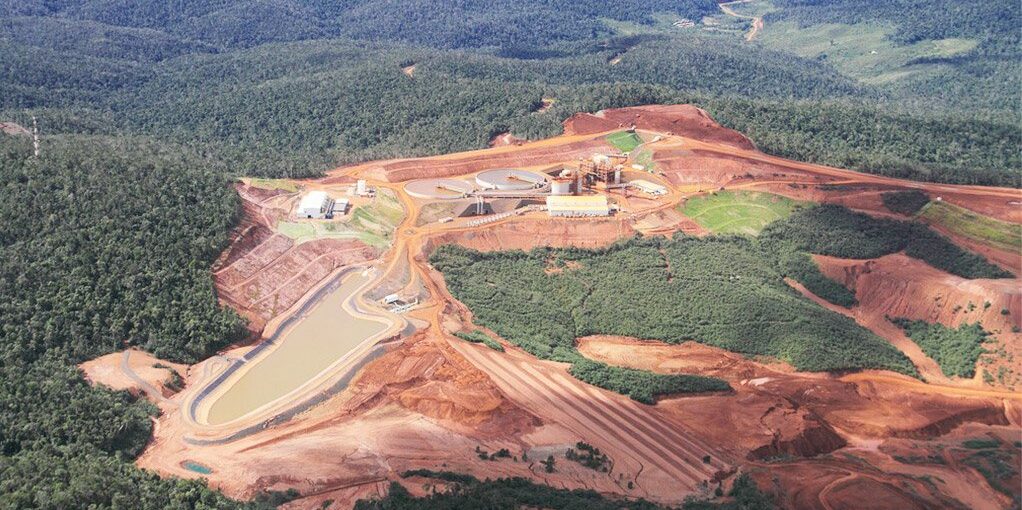
Sumitomo Funds Buyers in $3bn Ambatovy Exit as Madagascar Nickel Project Faces Ongoing Operational and Cost Pressures
Sumitomo Corp has reportedly provided financing to support the buyers of its 54% stake in Madagascar’s Ambatovy nickel operation, facilitating its exit from a long-running and loss-making investment, according to sources familiar with the matter.
The Japanese trading house has invested around $3 billion in the project over two decades and accumulated approximately $2.5 billion in losses.
In May, Sumitomo announced it would book a $418 million impairment related to the transaction.
Sources said Sumitomo’s financing helped enable the deal while allowing it to retain certain nickel offtake rights, effectively easing its withdrawal from the asset.
New Ownership and Transition Plan
The 54% stake is being acquired by a consortium led by Jason Kluk, former head of nickel trading at Glencore, and South Africa’s Zungu Investments, with completion expected by the end of September, subject to closing conditions.
The remaining 46% stake is held by Korea Mine Rehabilitation and Mineral Resources Corporation.
Sumitomo declined to comment on financing arrangements but said the transaction is intended to ensure “the continued and sustainable operation of Ambatovy under new ownership.” It added that the $418 million charge reflects a comprehensive assessment of the deal.
Operational Challenges at Ambatovy
Sources described the financing structure as similar to vendor financing, where a seller supports the buyer’s acquisition.
They also noted that returning Ambatovy to profitability will remain challenging due to long-standing operational difficulties.
The operation has faced production instability, with output suspended since February following cyclone damage. Production is expected to resume by the end of June.
Ambatovy produced about 28,000 tonnes of nickel and 2,500 tonnes of cobalt in 2024. Rising sulphur prices, driven in part by recent geopolitical disruptions, have also increased input costs and further pressured margins.
The transaction marks Sumitomo’s continued effort to reduce exposure to a project that has struggled to deliver consistent financial returns despite significant long-term investment.
About the Author