KoBold Metals Signs Deal to Digitize DRC’s Geoscientific Data, Boosting Transparency and Mining Investment
On Friday, July 25, 2025, the Democratic Republic of Congo’s Mining Cadastre (CAMI) signed a memorandum of understanding with KoBold Metals to digitize the country’s geoscientific archives.
The signing took place in the presence of CAMI Director General Popol Mabolia, Deputy Director General of the National Geological Survey (SGN-C) Adelard Joël Ngoy, and KoBold Metals General Administrator Benjamin Katabuka.
The agreement includes the progressive digitization of geological data stored at both the Mining Cadastre (CAMI) and the National Museum of the Congo (MRAC).
The project aims to enhance understanding of the DRC’s vast mineral resources, improve public and investor access to scientific data, and encourage responsible, high-quality mining investment.
A key feature of the partnership is the digitization of historical archives—many of which are still stored abroad.
Notably, a large portion remains at the Royal Museum for Central Africa (RMCA) in Brussels, a colonial-era legacy the government now seeks to reclaim.
This agreement follows a recent announcement by Minister of Mines Kizito Pakabomba, who pledged to repatriate and digitize geological data, particularly those held in Belgium.
“This agreement reflects a shared commitment to transparent governance and the scientific promotion of our national geological heritage,” said CAMI Director General Mabolia.
The partnership comes as KoBold Metals, a U.S.-based company backed by major investors, prepares to invest over $1 billion in developing lithium supply chains for Western markets.
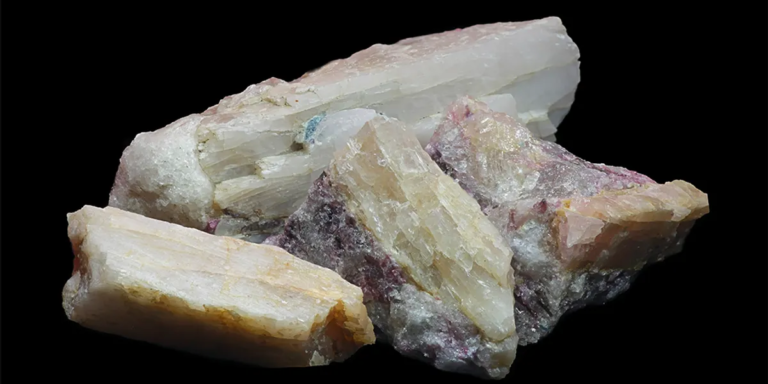
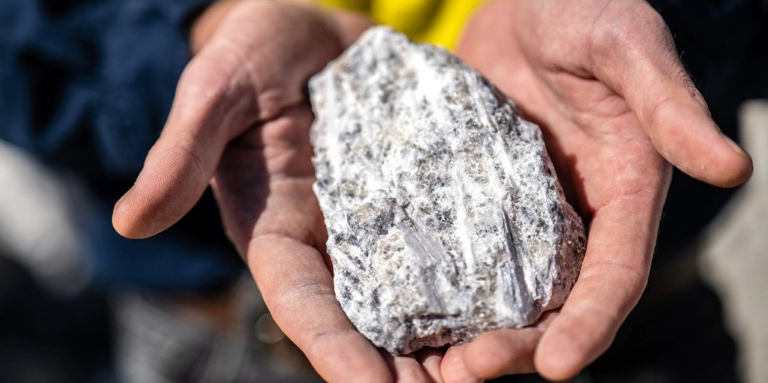
At the core of its strategy is the Manono lithium project in Tanganyika Province, one of the world’s largest known lithium deposits.
KoBold plans to leverage advanced AI and data analytics to uncover additional deposits of critical minerals essential to the global energy transition, including lithium, cobalt, and nickel.
This digitization initiative is expected to position the DRC as a more transparent, data-rich, and attractive destination for sustainable mining investment.
About the Author