China’s Electric Truck Sales Hit 600,000, Opening a New Market Opportunity for African Lithium
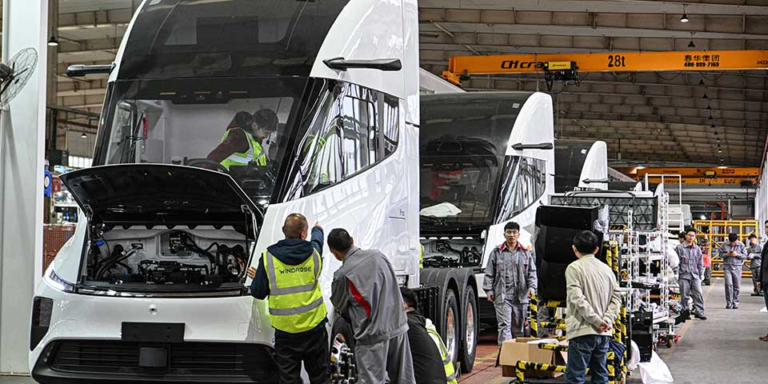
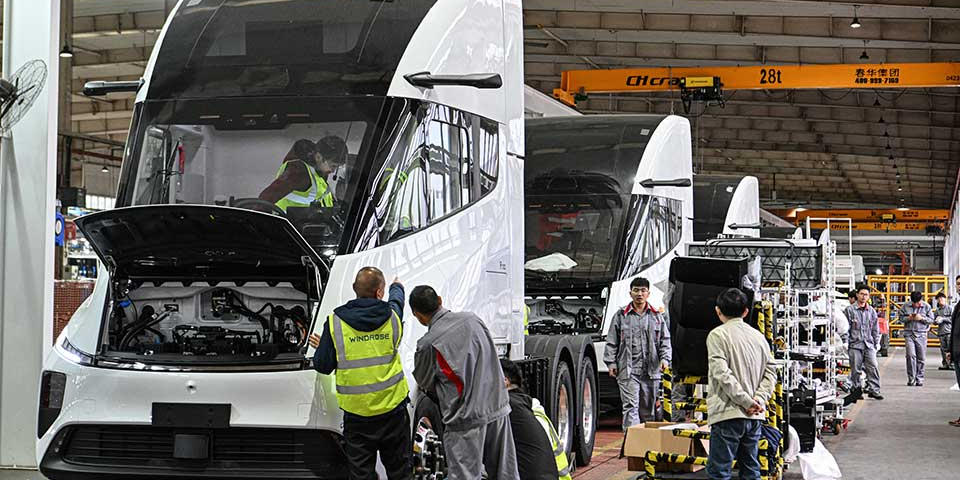
China sold 600,000 electric trucks in the first ten months of 2026, up 45% from a year earlier, as higher fuel costs encouraged fleet operators to switch from diesel.
The rise in sales is creating another source of lithium demand, with potential benefits for African producers such as Zimbabwe and Mali.
Electric models accounted for 30% of all truck sales in China over the period, according to BofA Global Research data cited by Reuters.
Growth was strongest in the heavy-duty segment, where sales rose 68% to 262,000 vehicles.
Heavy trucks typically need larger batteries than passenger cars, increasing the amount of lithium needed per vehicle.
Electric trucks could use 12% of global lithium supply by 2030
Electric trucks worldwide could account for nearly 7% of global lithium supply in 2026 and 12% by 2030, according to an estimate cited by Reuters.
Chinese exports are also contributing to demand. Shipments of heavy electric trucks more than doubled to 16,823 in the four months after late February, with about half going to South and Southeast Asia.
The growth in truck sales comes amid continued concerns about excess lithium supply. China’s lithium carbonate price has fallen sharply from its May peak, leaving producers exposed to weak prices even as demand from commercial vehicles expands.
Zimbabwe looks to capture more value through processing
Zimbabwe is encouraging miners to process more lithium domestically. The government has announced that its 10% export tax on lithium concentrate will be calculated using the market value of the lithium sulphate that could be produced from each shipment.
Exports of lithium sulphate remain exempt. Prospect Lithium has already begun exporting sulphate processed in Zimbabwe.
For producers in Zimbabwe and Mali, electric trucks offer another source of demand alongside passenger vehicles and battery storage.
How much of that demand translates into higher export earnings will depend on lithium prices, sales volumes and the ability to bring more processing capacity online.
About the Author