Zimbabwe Revises Lithium Export Tax and Sets 15% Local Sourcing Requirement
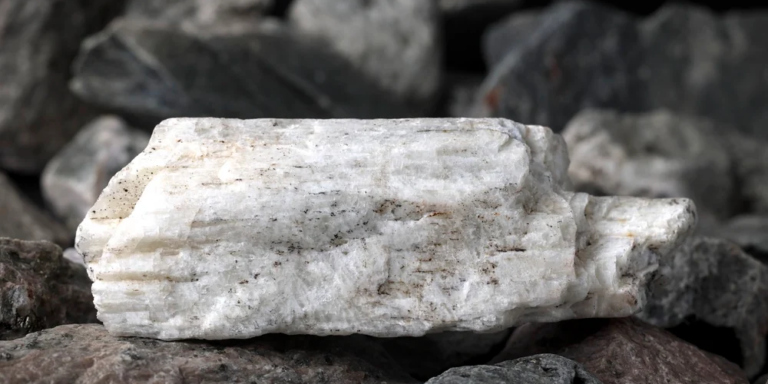
Zimbabwe will calculate its 10% tax on lithium concentrate exports using the market value of the lithium sulphate that could be produced from each shipment.
Finance Minister Mthuli Ncube announced the change in his 2027 budget speech on 19 November 2026, alongside a requirement for miners and other large buyers to source at least 15% of their inputs from local manufacturers.
Lithium sulphate exports remain tax-free
For tax purposes, Zimbabwe will treat five tonnes of benchmark-grade 6% lithium concentrate as equivalent to one tonne of lithium sulphate.
A shipment of 10,000 tonnes of concentrate would therefore be taxed at 10% of the gross fair market value of 2,000 tonnes of lithium sulphate.
Ncube said the change was intended to capture more of the value created through further processing.
Lithium sulphate exports will remain exempt from export tax, preserving an incentive for miners to process concentrate in Zimbabwe before shipping it abroad.
January 2027 export ban remains uncertain
Zimbabwe’s national development strategy calls for phasing out lithium concentrate exports by January 2027.
Producers have asked the government to delay the ban until July 2027, and Ncube did not say in the budget speech whether the January start date would stand.
Prospect Lithium began commercial exports of lithium sulphate in April, while Bikita Minerals’ US$400 million sulphate plant is expected to be commissioned in July 2027.
An industry forecast puts Zimbabwe’s lithium sulphate production at 208,000 tonnes in 2027 as new processing plants come online.
The local sourcing requirement also applies to government entities and other large businesses.
It aims to give Zimbabwean manufacturers a larger share of spending by mines and other major buyers.
About the Author