Namibia’s US$2.06 Billion Haib Copper Project Targets 135,000 Tonnes of Annual Copper Production
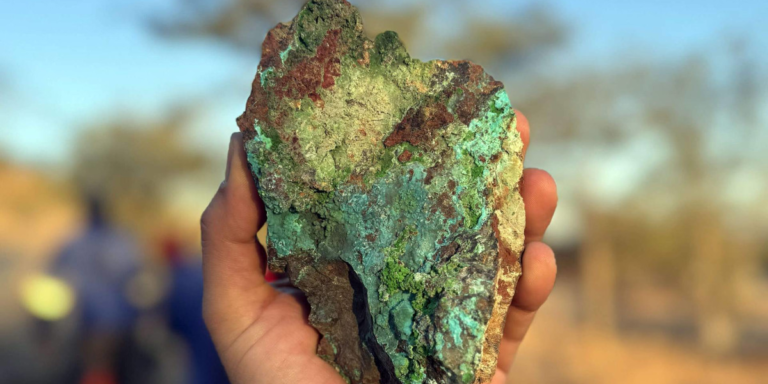
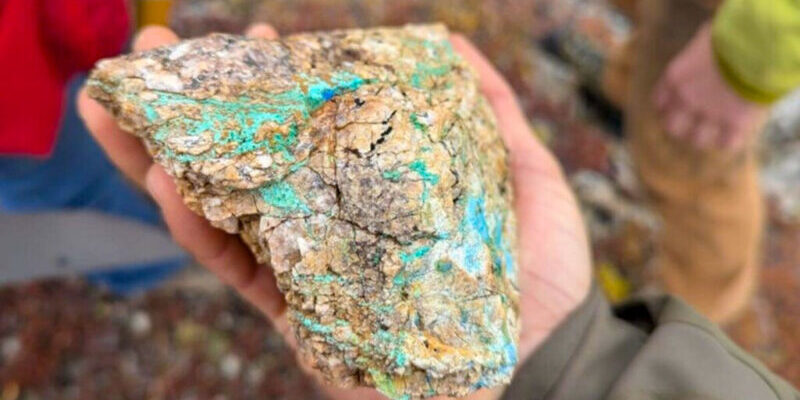
Namibia’s Haib copper project could emerge as one of the world’s leading low-grade copper mining operations, with projected annual production of 135,000 tonnes during its first decade of operation, according to an international benchmarking assessment presented by Koryx Copper on 17 November 2026.
The proposed development ranks third among 15 selected major low-grade copper operations assessed by the company, behind Peru’s Cerro Verde and the Morenci copper mine in the United States, which produced 391,000 tonnes and 313,000 tonnes of copper, respectively, in 2025.
Haib’s projected annual output would surpass several established operations, including Canada’s Highland Valley, Bingham Canyon in the United States and Mexico’s La Caridad copper mine.
The development has probable mineral reserves containing approximately three million tonnes of copper at an average grade of 0.27%, demonstrating the potential for large-scale, commercially competitive extraction from lower-grade deposits.
Koryx Copper’s pre-feasibility study estimates an initial development cost of US$2.06 billion and a mine life of 24 years.
The project has an estimated after-tax net present value of US$2.5 billion and an internal rate of return of 25%, based on an assumed copper price of US$5 per pound.
During its first ten years, Haib is projected to achieve all-in sustaining costs of US$2.07 per pound of copper, positioning it within the lower-cost third of the global copper industry.
The project also ranks fifth-lowest in capital intensity among 21 major proposed copper developments assessed by Koryx, strengthening its investment prospects.
Located in southern Namibia, Haib is being designed as a large-scale open-pit operation with an annual ore-processing capacity of 48 million tonnes.
Gold and molybdenum recovery is expected to provide additional revenue streams.
The proposed development also incorporates 417 MWp of solar generation capacity and 361 MWh of battery energy storage, which are expected to supply approximately 45% of the project’s lifetime energy requirements.
Koryx plans to commence its definitive feasibility study in early 2027, alongside project financing and regulatory approval processes.
Subject to the necessary approvals and financing, preliminary construction activities could begin towards the end of 2027.
While Haib has yet to enter production, its projected output, competitive operating costs and substantial mineral reserves highlight Namibia’s potential to become a more significant player in the global copper industry.
The development could further strengthen Southern Africa’s position in the international copper market as demand for the metal continues to be driven by electrification, renewable energy infrastructure and industrial expansion.
About the Author