China Expands Lithium Market with New Futures and Options Trading on Guangzhou Exchange
China’s Guangzhou Futures Exchange (GFEX) has announced plans to introduce lithium hydroxide futures trading on November 26, 2026, followed by options contracts on November 27, as the country strengthens its position in the global battery metals market.
The move is aimed at expanding price risk management tools for lithium producers, traders and battery manufacturers while enhancing China’s influence over pricing in the rapidly evolving electric vehicle (EV) supply chain.
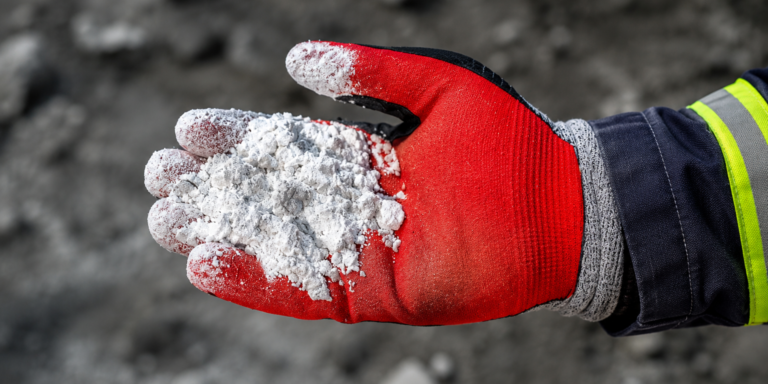
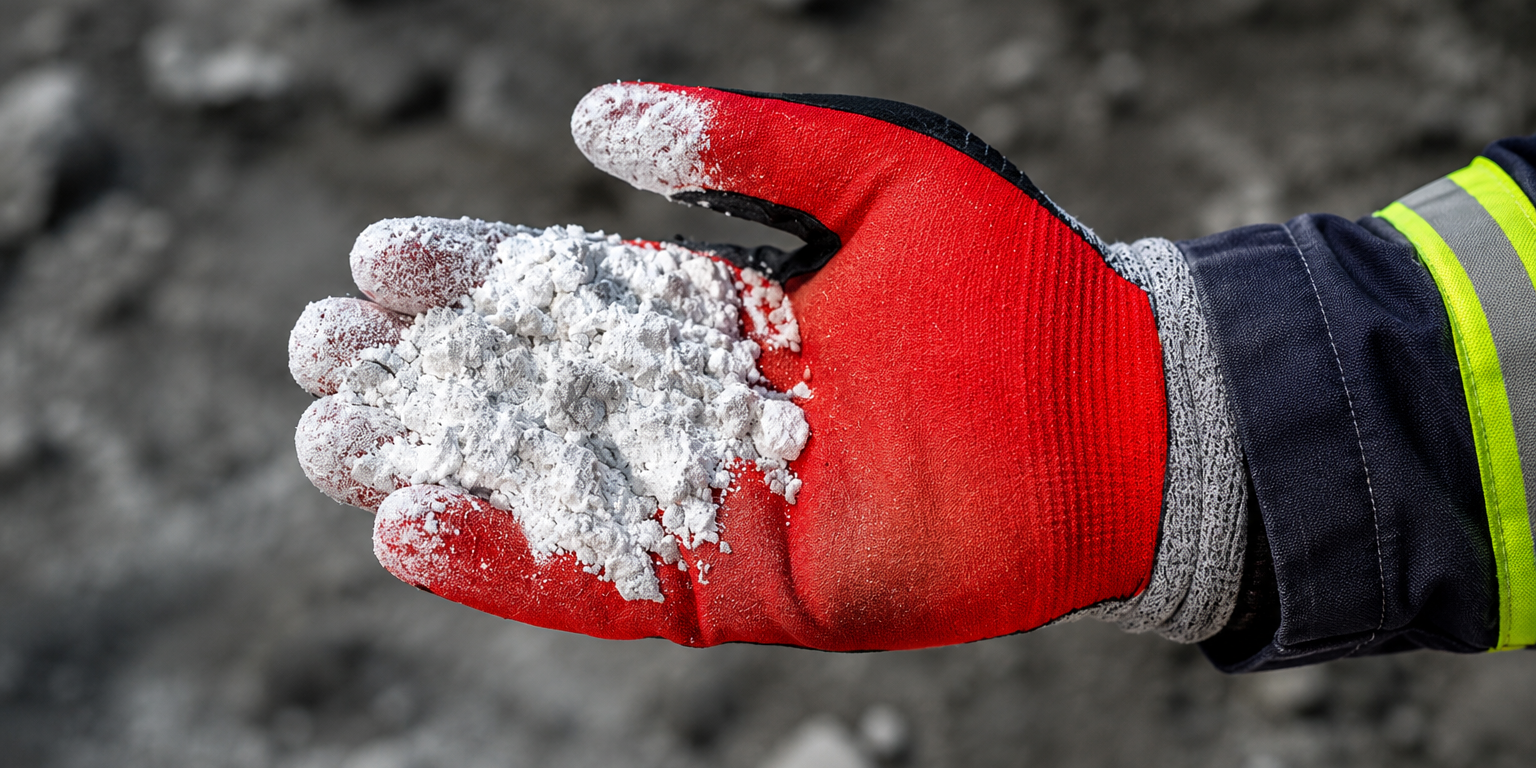
Lithium hydroxide is a key material used in manufacturing high-nickel cathodes for lithium-ion batteries, particularly those used in electric vehicles requiring higher energy density and longer driving ranges.
New Trading Contracts to Strengthen Lithium Market
According to the exchange, the initial lithium hydroxide futures contracts will cover delivery periods between June and November 2027.
The exchange has set an initial trading margin of 11% of the contract value, while daily price movements will be limited to 18% of the benchmark price on the first trading day. The standard daily price limit will subsequently be 9% of the previous settlement price for contracts that have traded.
The introduction of these contracts will provide market participants with additional opportunities to manage exposure to lithium price fluctuations, which have presented challenges for battery manufacturers and mineral producers.
The Guangzhou Futures Exchange already offers lithium carbonate futures, introduced in July 2023. The addition of lithium hydroxide will broaden its battery metals trading portfolio and provide a separate pricing mechanism for another important lithium chemical.
China Seeks Greater Influence Over Global Lithium Pricing
The launch comes as China seeks to strengthen its role in global lithium price discovery and expand financial instruments supporting its extensive battery manufacturing industry.
China is a major centre for lithium refining, battery production and electric vehicle manufacturing, making developments in its commodity markets significant for international lithium supply chains.
The new contracts could improve pricing transparency and provide lithium producers, processors and battery manufacturers with additional tools to manage market volatility.
For lithium-producing countries, including emerging African suppliers, the development could eventually influence pricing benchmarks and commercial arrangements as China’s battery materials market continues to evolve.
The introduction of lithium hydroxide trading represents another step in the development of China’s battery metals market, although its broader impact will depend on trading activity, liquidity and adoption by industry participants.
About the Author