Zambia Nears Completion of First Major Mineral Survey Since 1972
Zambia’s countrywide high-resolution geophysical survey has reached 93.6% completion, with the Government targeting December 2026 for the completion of the country’s first major mineral mapping exercise in more than five decades.
Acting Permanent Secretary at the Ministry of Mines and Minerals Development Anthony Chilengi said the survey would provide modern geological data to improve understanding of Zambia’s mineral potential and support new exploration and investment.
The last major geological mapping exercise was conducted in 1972, leaving large parts of the country without detailed and modern geological information to guide mineral exploration.
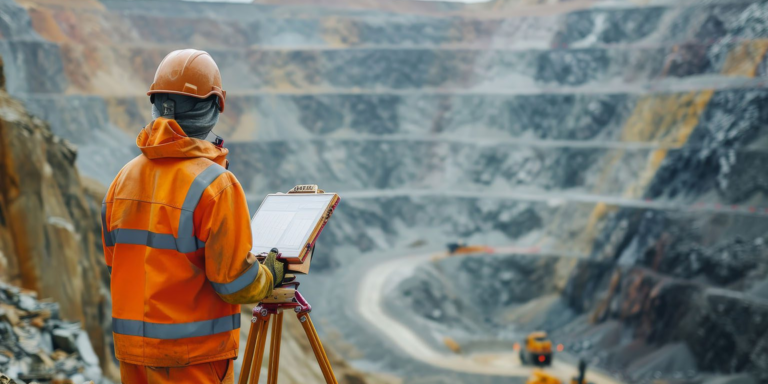
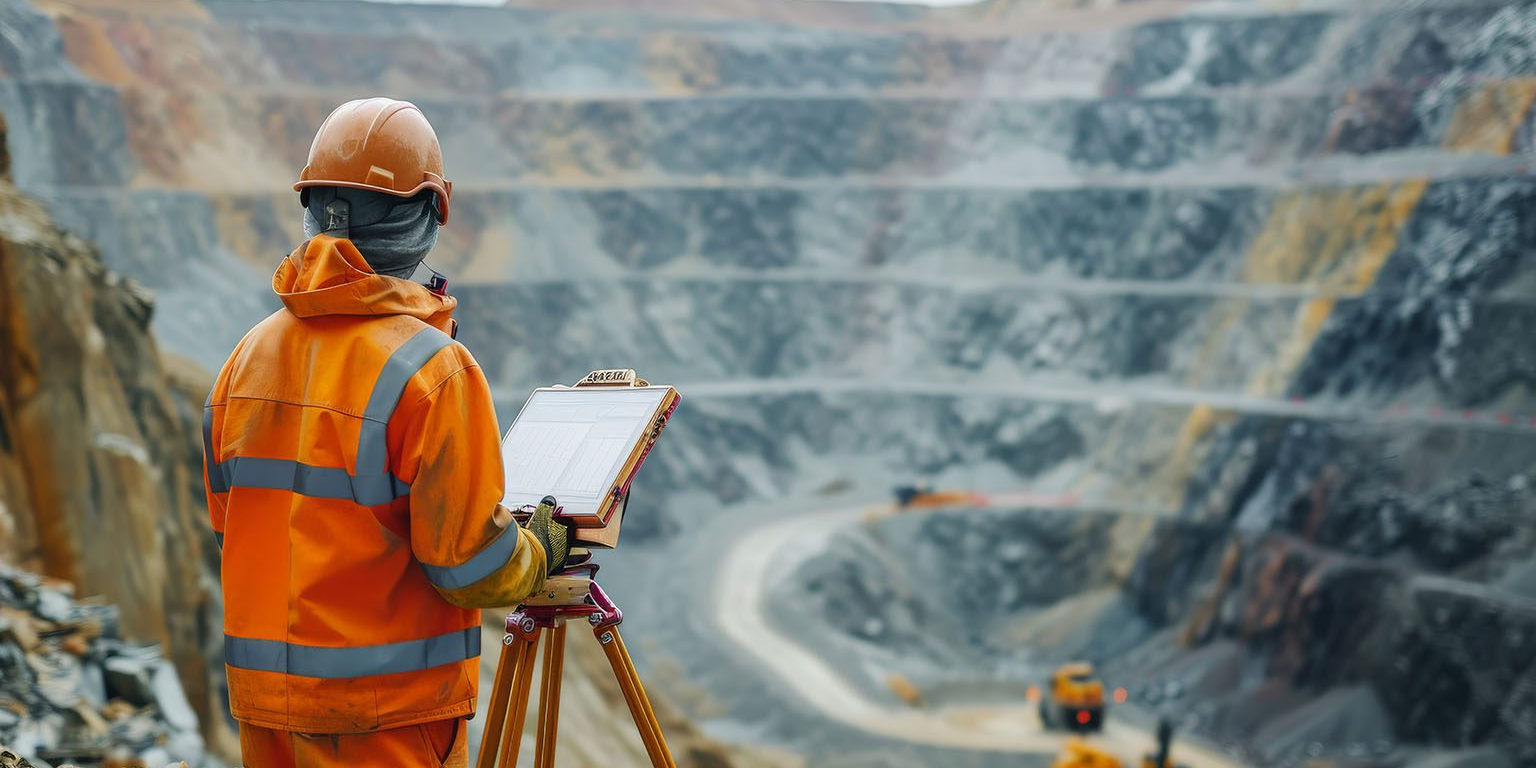
The new survey uses high-resolution geophysical techniques to generate updated information on geological structures and mineralisation across the country.
The data is expected to help exploration companies identify prospective areas and assess mineral targets with greater confidence.
Chilengi said the improved geological information could open up areas that had previously received limited or no systematic exploration, potentially broadening Zambia’s mineral exploration footprint beyond established mining regions.
The survey is being undertaken alongside reforms to Zambia’s mining regulatory framework.
The Government has established the Minerals Regulation Commission to separate regulatory functions from policy and created a Mining Appeals Tribunal to provide a dedicated mechanism for resolving disputes in the sector.
The updated geological database is expected to strengthen Zambia’s position as it seeks to attract investment into copper and other critical minerals, while supporting more informed resource management.
With the survey now more than 90% complete, attention will turn to finalising the remaining areas and making the resulting geological information available to support exploration and development decisions.
The completion of the programme would mark a significant update to Zambia’s geological knowledge base and provide the mining industry with modern data to guide exploration for the next phase of mineral development.
About the Author