Blue Whale Raises US Battery Recycling Capacity to 20,000 Tonnes a Year
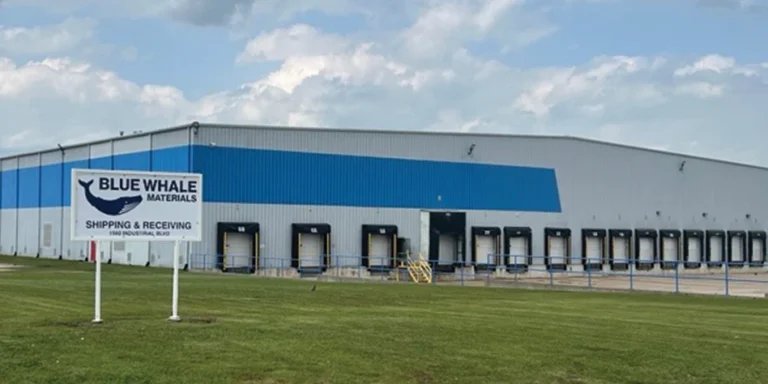
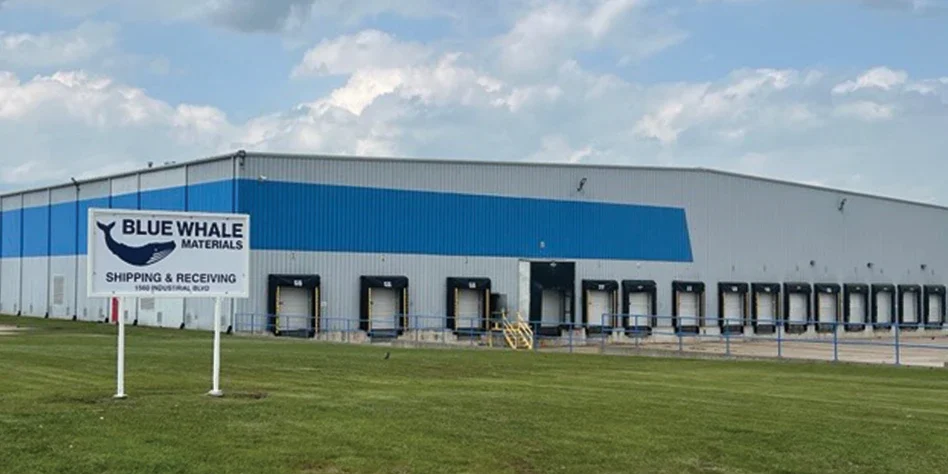
US lithium-ion battery recycling company Blue Whale Materials has achieved mechanical completion of its full processing line at its Bartlesville facility in Oklahoma, marking a key step towards expanding commercial battery recycling operations in the US.
The integrated line can process lithium-ion battery cells, modules and packs through a single operation using the company’s proprietary Blacksand technology.
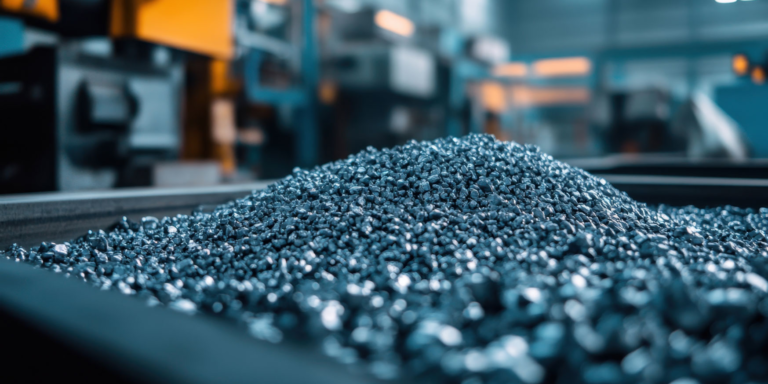
The process produces high-grade black mass containing nickel, cobalt and lithium recovered from end-of-life batteries and production scrap.
The milestone completes the first phase of a US Department of Energy-supported expansion programme at Bartlesville, increasing the facility’s annual battery feedstock processing capacity from 14,000 tonnes to 20,000 tonnes.
Blue Whale began commissioning the expanded line earlier this month and is now focused on bringing the facility up to its targeted operating rate.
Commissioning is expected to continue through the remainder of the year as the plant ramps up to its expanded capacity.
The company said the integrated system would allow it to handle a wider range of lithium-ion battery feedstock while increasing production of recovered critical minerals for the US domestic supply chain.
Blue Whale CEO Jack Johnson said the company had completed the full line while maintaining operations at its existing facility, allowing it to continue processing and shipping material during construction and commissioning.
The expansion is backed by investment firm Ara Partners, which said the completion of the integrated line represented a transition towards larger-scale commercial battery recycling infrastructure.
The expanded facility is expected to strengthen Blue Whale’s role in the US battery recycling market by supplying recovered nickel, cobalt and lithium for downstream processing and potential reuse in battery manufacturing.
About the Author