DRC Advances $2 Billion Musompo Battery Precursor Zone to Build Local Battery Value Chain
The Democratic Republic of Congo (DRC) is advancing plans to establish a major battery precursor manufacturing hub in Lualaba province, as the country seeks to capture more value from its cobalt, copper and other critical mineral resources.
The government approved the Musompo Special Economic Zone as a priority project in February 2026.
The planned 900-hectare industrial zone is expected to attract around $2 billion in private investment and support the development of a local battery materials industry.
From minerals to battery materials
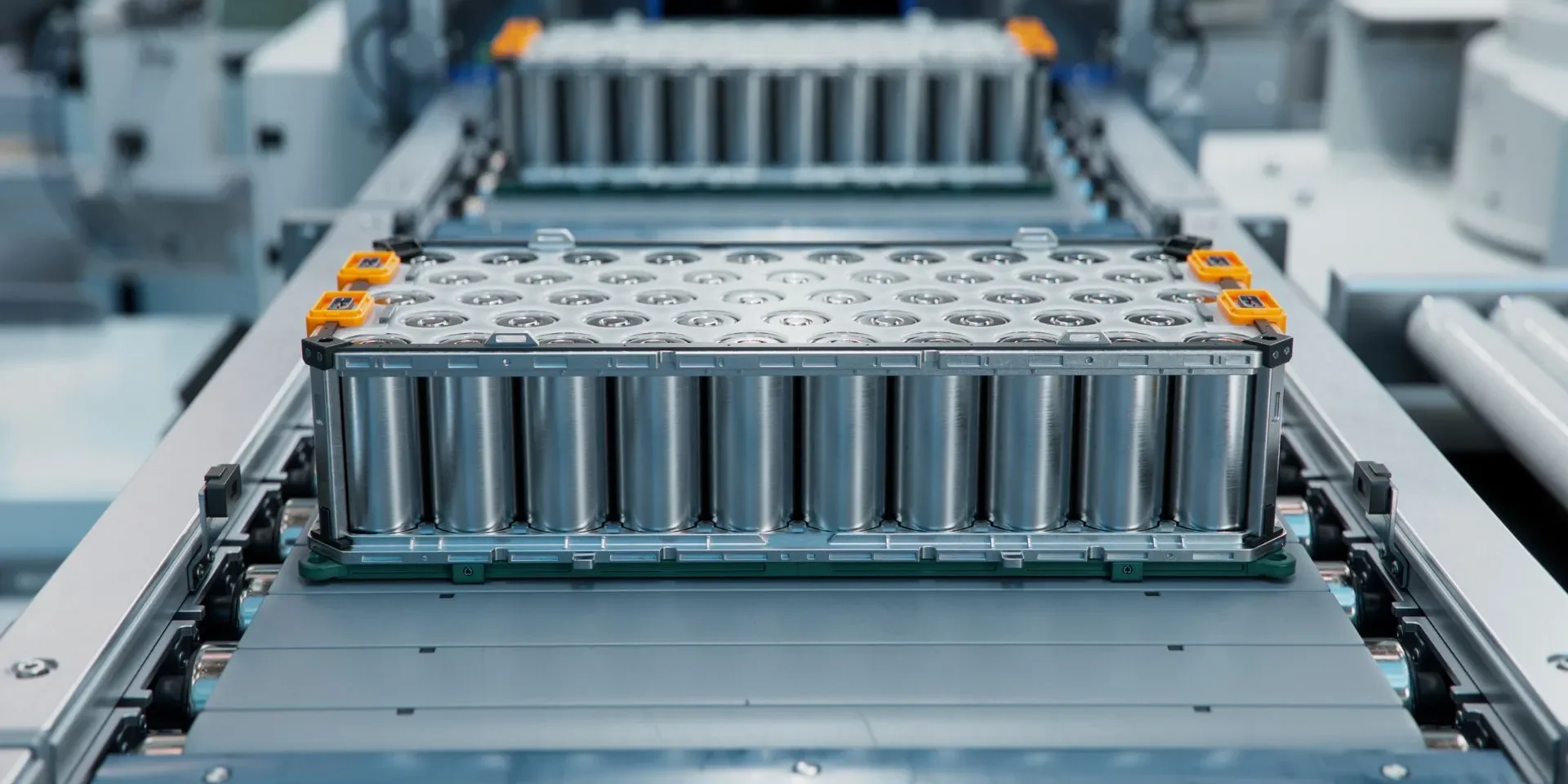
Musompo is planned to produce nickel-manganese-cobalt (NMC) precursor materials, which are key chemical inputs used in the production of battery cathodes.
The development forms part of the DRC’s broader strategy to move beyond exporting raw minerals and establish more processing and manufacturing capacity within the country.
Construction of the zone is estimated to require more than $200 million, while projections indicate the project could create approximately 25,000 direct and 60,000 indirect jobs once developed.
DRC seeks greater value from critical minerals
The initiative comes as global demand for battery minerals continues to grow, driven by electric vehicles, energy storage and the wider energy transition.
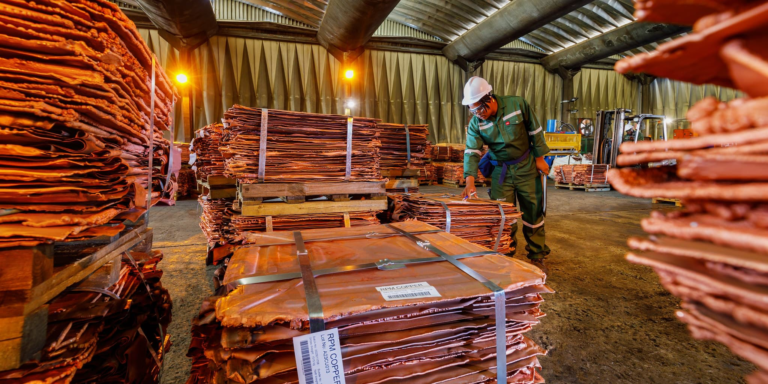
The DRC is one of the world’s major sources of cobalt and also holds substantial copper resources, giving it a strong position in the emerging battery supply chain.
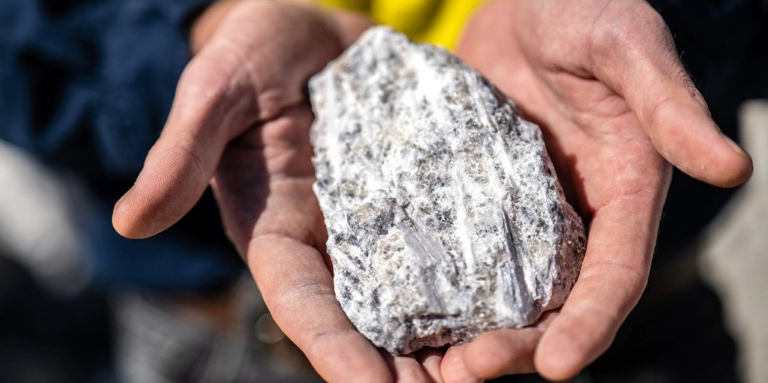
However, most of the value generated from these minerals has historically been captured outside Africa, particularly at the refining, precursor, cathode and battery manufacturing stages.
Musompo is intended to help change that model by establishing processing capacity closer to the source of the raw materials.
Africa’s battery value chain remains underdeveloped
Despite Africa’s mineral wealth, the continent has limited capacity to manufacture advanced battery materials.
Zimbabwe has made progress in lithium processing, while countries including Zambia and the DRC are pursuing greater regional cooperation around battery minerals and value addition.
The DRC’s Musompo project could therefore become an important component of a wider Central and Southern African battery value chain, provided the required infrastructure, power supply, financing and industrial partnerships are secured.
The development of the zone represents a significant step towards the DRC’s ambition of transforming its critical mineral resources into higher-value industrial products rather than exporting them primarily in raw or semi-processed form.
About the Author