Malawi Commissions 20 MW Battery Energy Storage System to Cut Power Outages
Malawi has commissioned its first standalone utility-scale Battery Energy Storage System (BESS), marking a major step towards improving electricity reliability and integrating more renewable energy into the national grid.
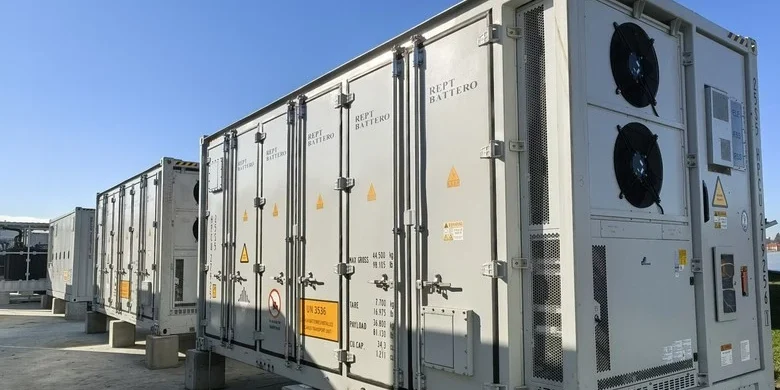
The 20 MW/40 MWh facility, located at the Kanengo substation in Lilongwe, was commissioned by the Electricity Supply Corporation of Malawi (ESCOM) in partnership with the Global Energy Alliance for People and Planet (GEAPP).
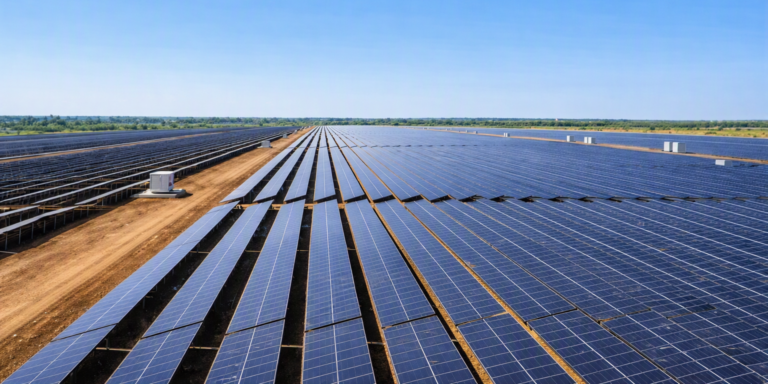
The system stores electricity when supply is available and releases it during periods of high demand or when renewable generation falls. This will help stabilise the grid, reduce reliance on costly diesel generation and improve the integration of variable renewable energy, including solar power.
The project is expected to help connect an additional 600,000 households and reduce power outages from an average of about four hours to less than two hours, according to ESCOM.
The facility is the only utility-scale battery storage installation of its kind in Southern Africa outside South Africa and Namibia, according to Reuters.
Its commissioning comes as Malawi seeks to strengthen a power system heavily dependent on hydropower and vulnerable to climate-related disruptions.
GEAPP provided up to US$20 million in grant funding for the project, which is also expected to support cleaner and more resilient power infrastructure while reducing carbon emissions.
Malawi currently has electricity access for only about a quarter of its population and aims to increase access to 70% by 2030.
The government also plans to develop three additional battery storage facilities with a combined capacity of 60 MW.
The Kanengo project therefore represents an important step in strengthening Malawi’s electricity network, reducing blackouts and creating greater capacity to absorb renewable power as the country expands access to electricity.
About the Author